The Passenger (1975)

A film by Michelangelo Antonioni.


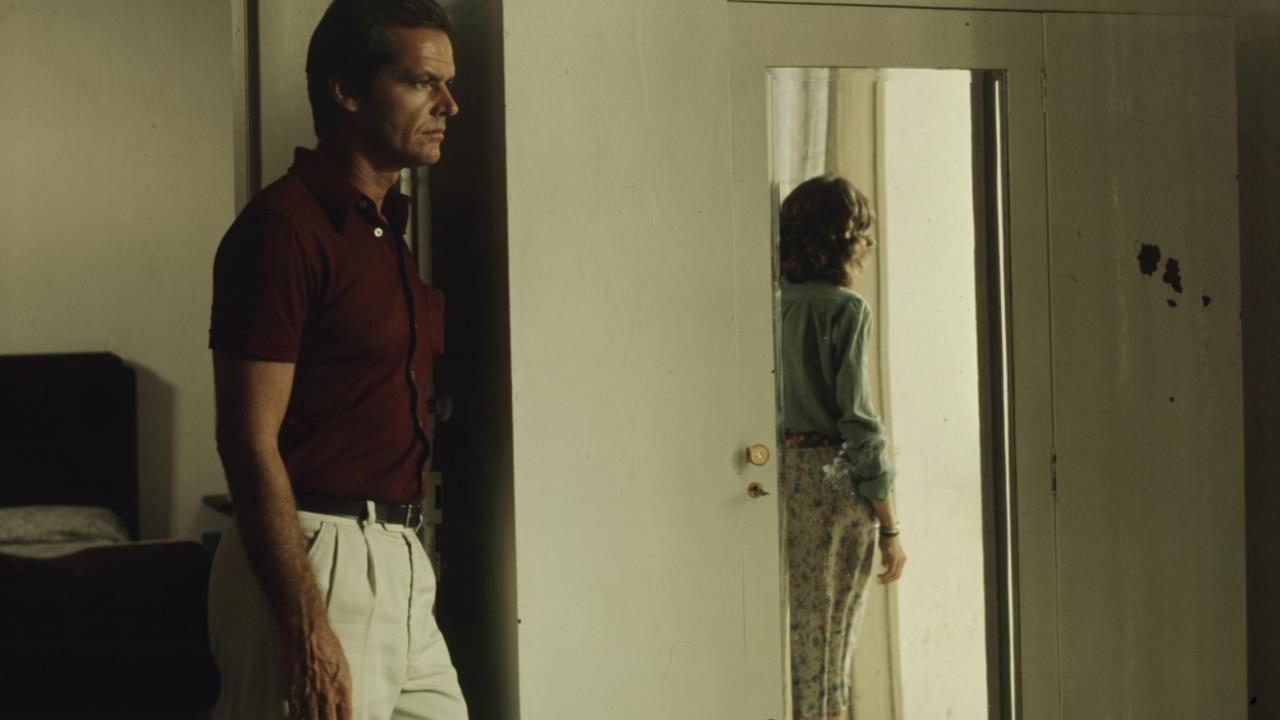
I have been wanting to watch this movie again ever since I saw it the first time back in 1975. It has just now become available. I was not disappointed, but I still don’t quite understand it. The outstanding things for me, aside from Jack Nicholson and Maria Schneider, were the visuals and the camera work, credit to Antonioni and cinematographer Luciano Tovoli. One might say style over substance, but that is not always a bad thing. The last shot is worth the wait. A long tracking shot moves outside the hotel window into the square; cars appear, then disappear; the people looking for him enter the square and move around, then the camera, in a still unbroken shot, re-enters the hotel room. I have never seen anything like it, and that is what remained etched in my memory for 50 years. It reminded me of a scene in The Stranger where Meursault looks out of a window in the afternoon, and as the day falls into night, the scene in front of him slowly changes as people move in and out of the frame and the light gradually fades. I wouldn’t be surprised if one didn’t inform the other.

The Passenger is exactly the kind of movie that can haunt you for decades without ever becoming entirely decipherable. And I think the movie’s visual experience may be more important than solving its plot.

The basic story is simple enough. Nicholson’s David Locke, a journalist who has become alienated from his own life, discovers that a dead man in the hotel room next door looks enough like him to allow him to assume the man’s identity. He effectively abandons Locke and assumes Robertson’s identity. But changing his identity doesn’t change himself.

He thinks he can escape the burden of being Locke by becoming somebody else. Yet wherever he goes, Locke, whatever is left of Locke, goes with him. The journey becomes less about where he is going than about whether a person can escape himself.

I see a comparison with Meursault in Camus’ The Stranger.

In The Stranger, Meursault is frequently an observer rather than an actor. He watches the world: sunlight, streets, people, heat, the changing afternoon. There is an extraordinary passage when he is in his apartment and looks through the window as the day changes. The ordinary world continues moving while Meursault remains strangely detached from it.

Antonioni does something remarkably similar, but with a camera.

Locke is increasingly a passenger in his own existence. He observes rather than participates. And Antonioni’s camera adopts that same detached consciousness. It doesn’t simply show us what Locke sees; it seems to think like Locke.

The ending is the key to the entire movie.

Locke is lying dead in the hotel room. The camera slowly moves toward the window, passes through the bars, goes outside into the plaza, wanders through the life of the town, and eventually returns to the room.

Cars move. People walk. The police arrive. Life goes on. The camera itself seems to abandon Locke, just as Locke tried to abandon his own identity.

And there’s something very Camus-like about that.

The universe doesn’t provide a dramatic answer. There is no grand revelation. There is simply the world continuing.

The resemblance to The Stranger is striking. I don’t know if there is a direct influence or not, but the resemblance is both synchronous and uncanny. Both works are fascinated by alienation, observation, identity, mortality, and the indifferent continuity of the physical world.

Meursault looks through the window at a world that continues without him. Locke disappears through the window into a world that continues without him.

With Antonioni, style is the substance. The camera movement, empty spaces, architecture, landscapes, silence, and duration aren’t decoration around the story. They are the story.

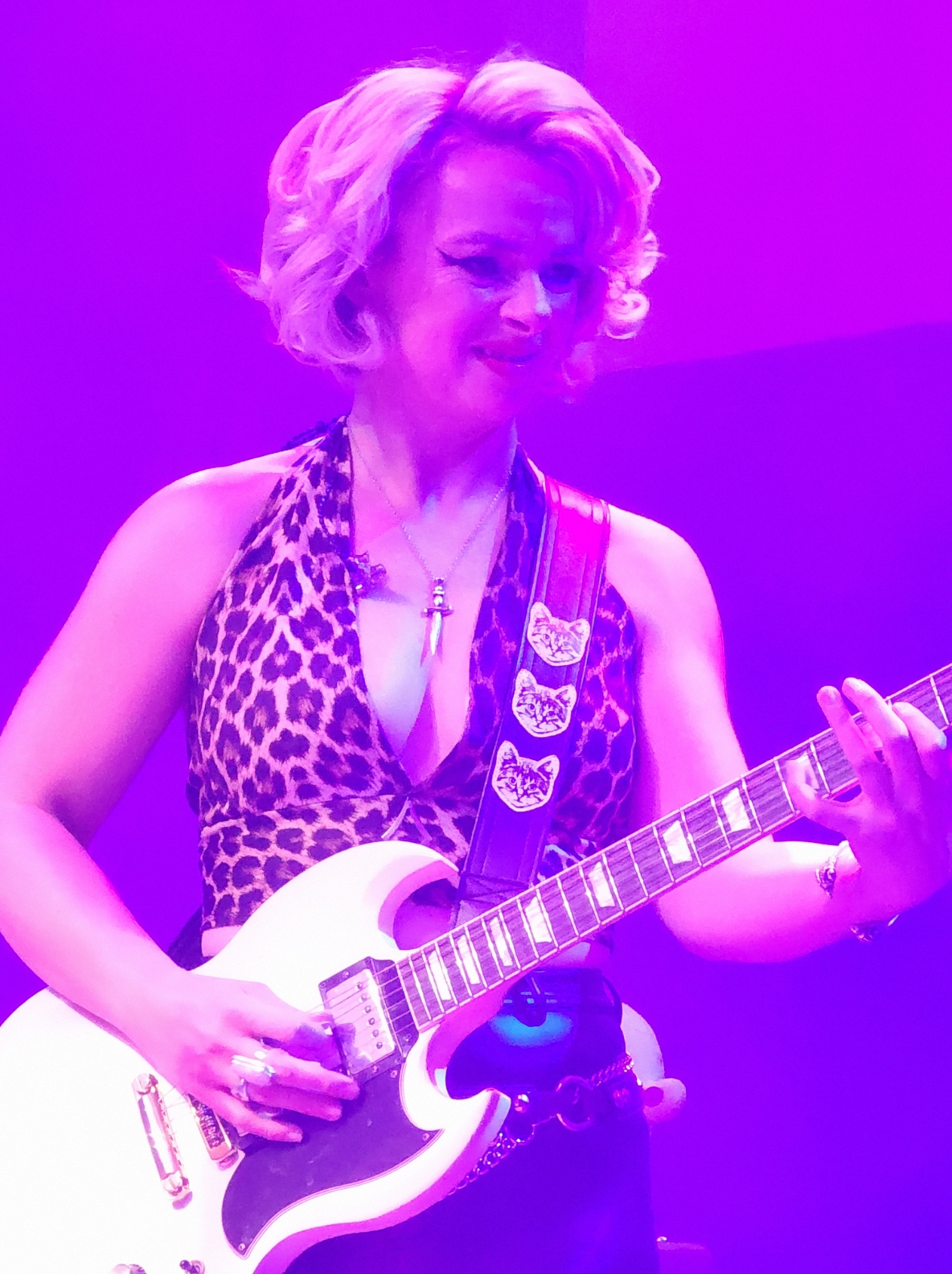
Samantha Fish: A Modern Blues Sensation

The Journey and Achievements of a Contemporary Blues Artist

Introduction

Samantha Fish, a name that has become synonymous with modern blues, is an American guitarist, singer, and songwriter who has taken the music world by storm with her electrifying performances and soul-stirring compositions. Born on January 30, 1989, in Kansas City, Missouri, Fish has carved out a niche for herself in the blues genre, blending traditional sounds with a contemporary twist.

Early Life and Musical Beginnings

Fish grew up in a musical family, with her mother playing piano and her father occasionally strumming the guitar. Her passion for music was ignited at a young age, and by the time she was 15, she had started playing the guitar seriously. Inspired by the likes of Stevie Ray Vaughan, Bonnie Raitt, and Sheryl Crow, Fish immersed herself in the blues and honed her craft through relentless practice and performances.

Career Breakthrough

Fish’s big break came in 2009 when she recorded her debut album, “Live Bait,” which showcased her raw talent and potential. Her follow-up album, “Runaway,” released in 2011, earned her the Blues Music Award for Best New Artist in 2012. This accolade was a testament to her prowess and marked the beginning of her rise to fame.

Signature Style and Musical Evolution

Fish’s music is characterized by her powerful vocals, intricate guitar work, and a unique blend of blues, rock, and Americana. She is known for her ability to convey deep emotions through her music, whether it’s the heartache of a slow blues ballad or the fierce energy of a rock-infused anthem. Over the years, Fish has continued to evolve her sound, experimenting with different genres and pushing the boundaries of traditional blues.

Notable Albums and Collaborations

Throughout her career, Fish has released several critically acclaimed albums, each showcasing her growth as an artist. Some of her notable works include:

  • Black Wind Howlin’ (2013)
  • Wild Heart (2015)
  • Chills & Fever (2017)
  • Belle of the West (2017)
  • Kill or Be Kind (2019)
  • Faster (2021)

Fish has also collaborated with various artists and bands, further enriching her musical repertoire. Her collaborations include working with Mike Zito, Ruf Records, and Buddy Guy, to name a few.

Live Performances and Tours

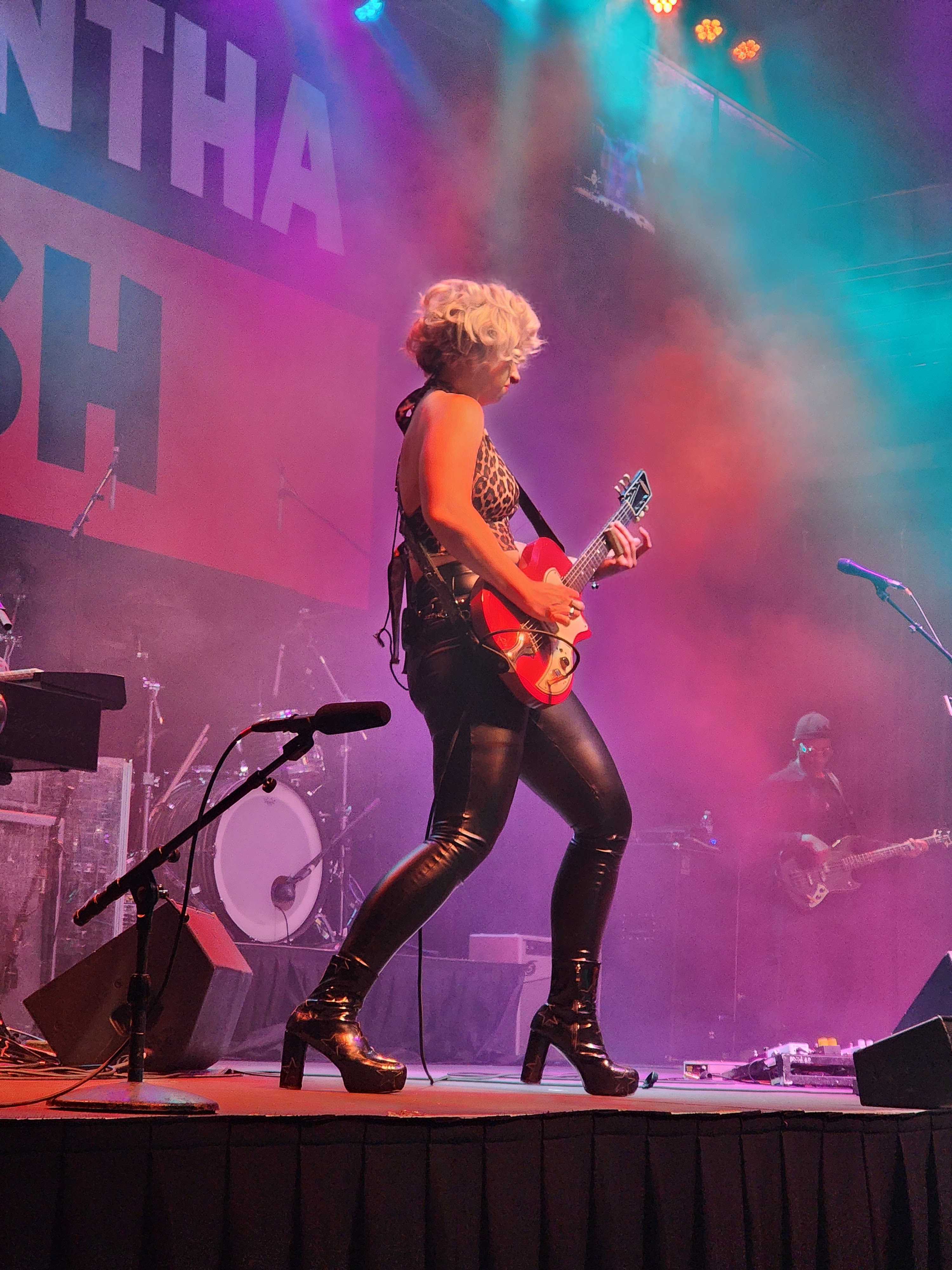
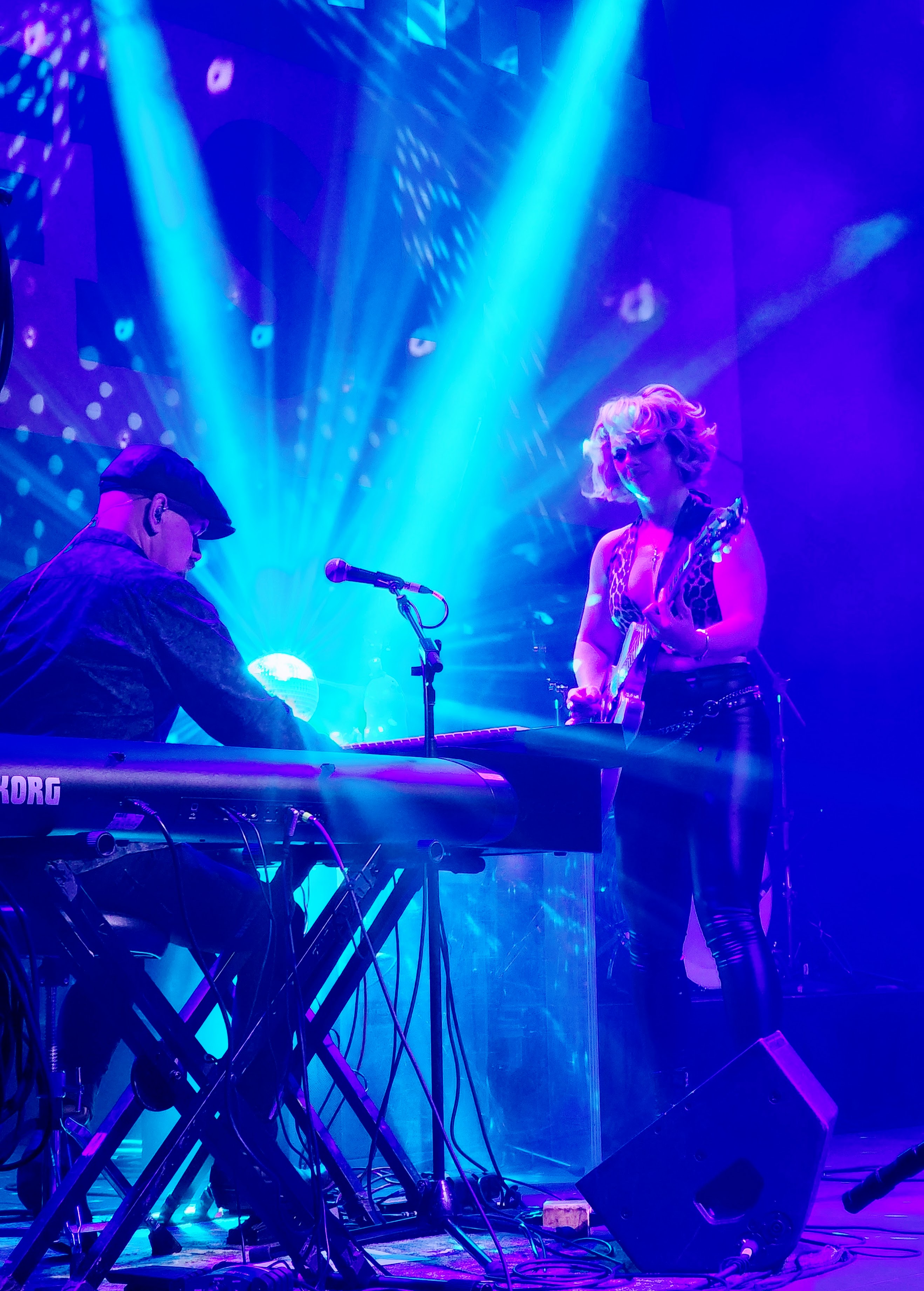
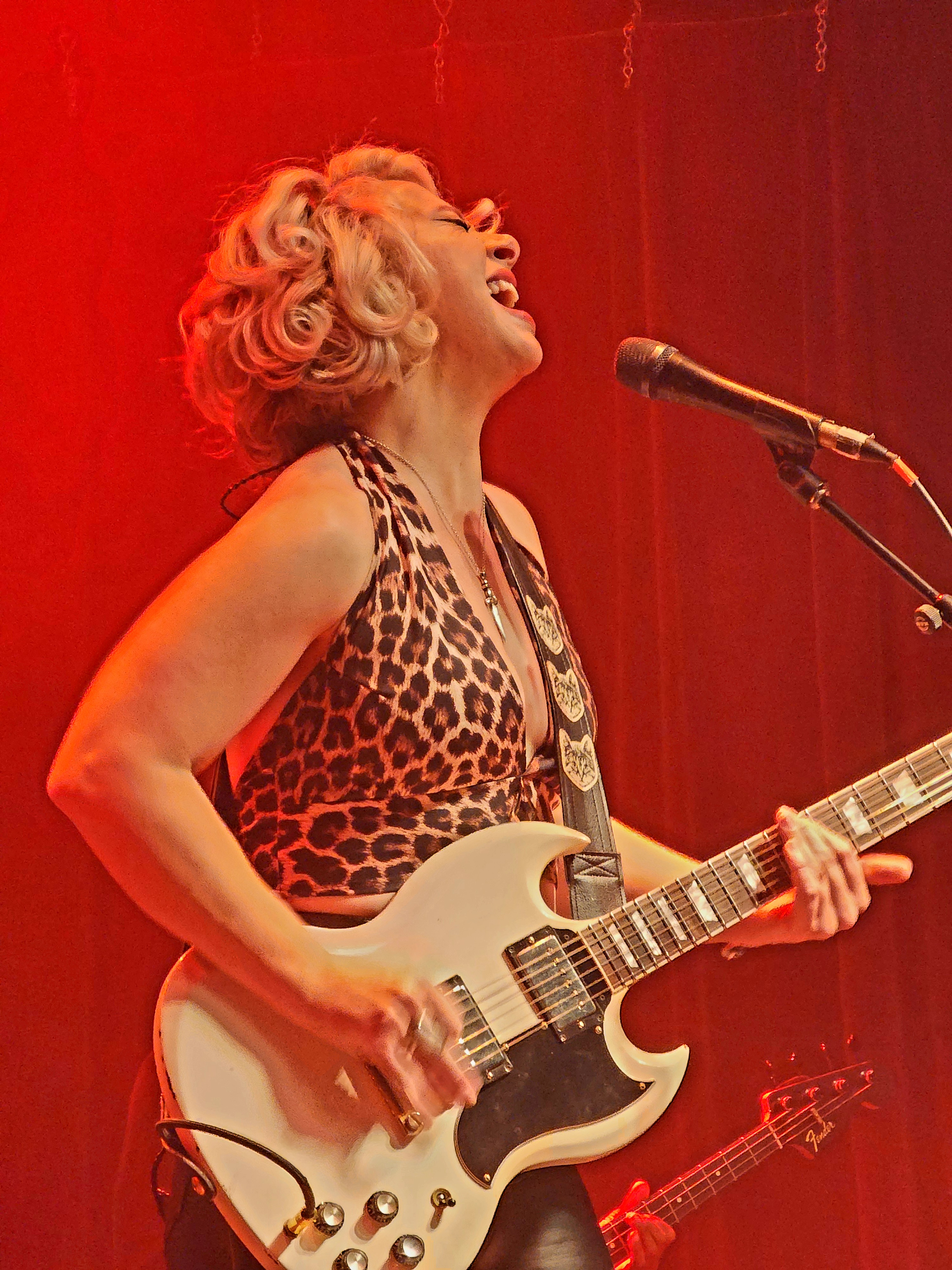
One of Fish’s defining aspects is her dynamic live performances. Known for her electrifying stage presence, she has captivated audiences worldwide with her energy and passion. Fish has toured extensively, performing at renowned venues and festivals such as the Montreux Jazz Festival, the Chicago Blues Festival, and the Byron Bay Bluesfest. Her live shows are a testament to her dedication to her craft and her ability to connect with her audience.

Awards and Recognition

Fish’s talent has not gone unnoticed, and she has garnered several awards and recognitions throughout her career. In addition to the Blues Music Award for Best New Artist, she has received nominations and awards for her albums and performances, solidifying her status as a leading figure in the blues genre.

Influence and Legacy

Samantha Fish’s influence extends beyond her music. She has become a role model for aspiring musicians, particularly women in the blues and rock genres. Fish’s determination, creativity, and relentless pursuit of excellence serve as an inspiration to many. Her legacy is one of innovation and passion, and she continues to shape the future of blues music.

Conclusion

Samantha Fish is a modern blues sensation whose journey from a young aspiring musician to a celebrated artist is a testament to her talent and hard work. Her contributions to the blues genre, characterized by her distinctive style and emotional depth, have earned her a special place in the hearts of music lovers. As Fish continues to evolve and create, her impact on the music world remains profound, and her future shines brightly with promise.

All pictures were taken by Benn Bell at the Mercury Ballroom in Louisville, Kentucky May 6, 2025.