Right Action means Right Action of the body. It is the practice of touching love and preventing harm, the practice of non-violence toward ourselves and others. The Basis of Right Action is to do everything in mindfulness.
Right Action is closely linked with four of the five mindfulness trainings:
The first mindfulness training is about the reference of life
The second mindfulness training is about generosity
The third mindfulness training is about sexual responsibility
The fifth mindfulness training encourages mindful eating, drinking, and consuming
Right action is based on Right View, Right Thinking, and Right Speech, and is very much linked to Right Livelihood. The basis of Right Action is Right Mindfulness.
The classical explanation of Right Speech is 1) Speaking truthfully. 2) Not speaking with a forked tongue. 3) Not speaking cruelly.
Right Speech is based on Right Thinking.
Deep listening is at the foundation of Right Speech
Compassionate listening brings about healing
When communication is cut off we suffer
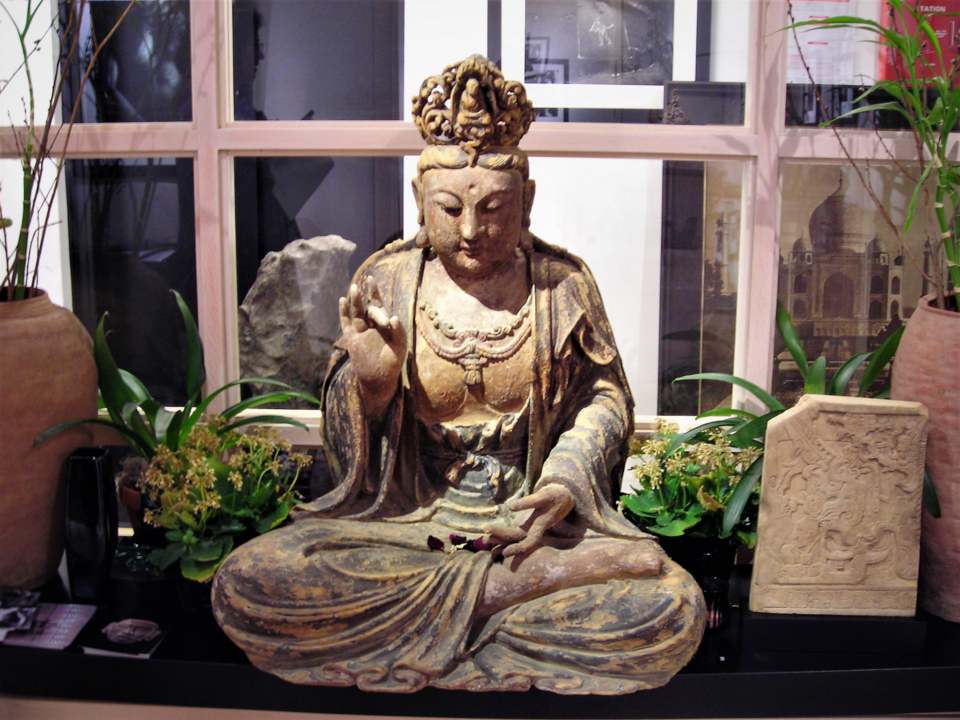
The Bodhisattva Kwan Yin is the one who hears the cries of the world
If you really love someone, train yourself to be a good listener
You must use loving speech
You need to practice more walking meditation, more mindful breathing, more sitting meditation in order to restore your capacity for compassionate listening
When you begin to understand the suffering of the other person compassion will arise in you. Compassion is the only energy that can help us connect with another person. The person who has no compassion in him can never be happy
Writing is a deep practice
Silence is a time for looking deeply. There are times when silence is truth and that is called “thundering silence”
Words and thought can kill. We cannot support acts of killing in our thinking or in our speech. If you have a job in which telling the truth is impossible, you may have to change jobs. If you have a job that allows you to speak truth, be grateful. To practice social justice and non-exploitation, we have to use right speech
The Fourth Mindfulness Training is training oneself to listen with compassion
May my words be as beautiful as gems, as lovely as flowers
I am committed to cultivating loving speech and deep listening
Words can create happiness or suffering
I am determined to speak truthfully, with words that inspire self-confidence, joy, and hope
I will not spread news that I do not know to be certain and I will not criticize or condemn things of which I am not sure.
I am determined to make all efforts to reconcile and resolve all conflicts, however small.
Mindfulness is remembering to come back to the present moment.
Right mindfulness accepts everything without judging or reacting. It is inclusive and loving.
The practice is to find a way to sustain appropriate attention throughout the day.
The Seven Miracles of Mindfulness
Be present
Make the other present also
Nourish the object of your attention
Relieve the other’s suffering
Looking deeply
Understanding (the foundation of love).
Transformation
The Four Establishments of Mindfulness
Mindfulness of the body in the body
Mindfulness of the feelings in the feelings
Mindfulness of the mind in the mind
Mindfulness of phenomena in phenomena (object of our mind)
Six Elements
Earth
Water
Fire
Air
Space
Consciousness
If we observe these six elements inside us and around us, we see that we are not separate from the universe. This insight free us from the idea of birth and death.
Anxiety comes primarily from our inability to dwell in the present moment.
Letting go is a practice that can bring us a lot of happiness.
What is essential is to be alive and present to all the wonders of life that are available.
Threefold training: precepts, concentration, and insight.
The practice of the precepts is the practice of Right Mindfulness. If we don’t practice the precepts, we are not practicing mindfulness. The heart of the Buddhist Meditation is the practice of mindfulness and mindfulness is the practice of the precepts.
Look deeply at your hand and see the Buddha Eye in it. The hand represents action and the eye represents insight and understanding.
When we concentrate on our breathing, we bring body and mind back together and become whole.
Mindful breathing helps us stop being preoccupied by sorrows of the past and anxieties of the future. It helps us to be in touch with life in the present moment.
Right view is deep understanding of the Four Noble Truths
Where there is perception there is deception
Most of our suffering comes from wrong perceptions
It is impossible to have a subject without an object
Right view is the insight we have into the reality of life; a living insight that fills us with understanding, peace, and love.
The instrument for watering wholesome seeds inside of us is mindful living – mindful breathing, mindful walking, living each moment of our day in mindfulness.
Your conception or perception of reality is not reality.
To practice is to go beyond ideas, so you can arrive at the suchness of things. “No idea” is the path of non-conception. “No idea” means no wrong idea, no wrong conception.
Buddhism is a practice to hep us eliminate wrong views.
Right View is sometimes called the mother of all Buddhas, the energy of love and understanding that has the power to free us. When we practice mindful living our Right View will blossom.
Right View is both a cause and an effect of all other elements of the path.
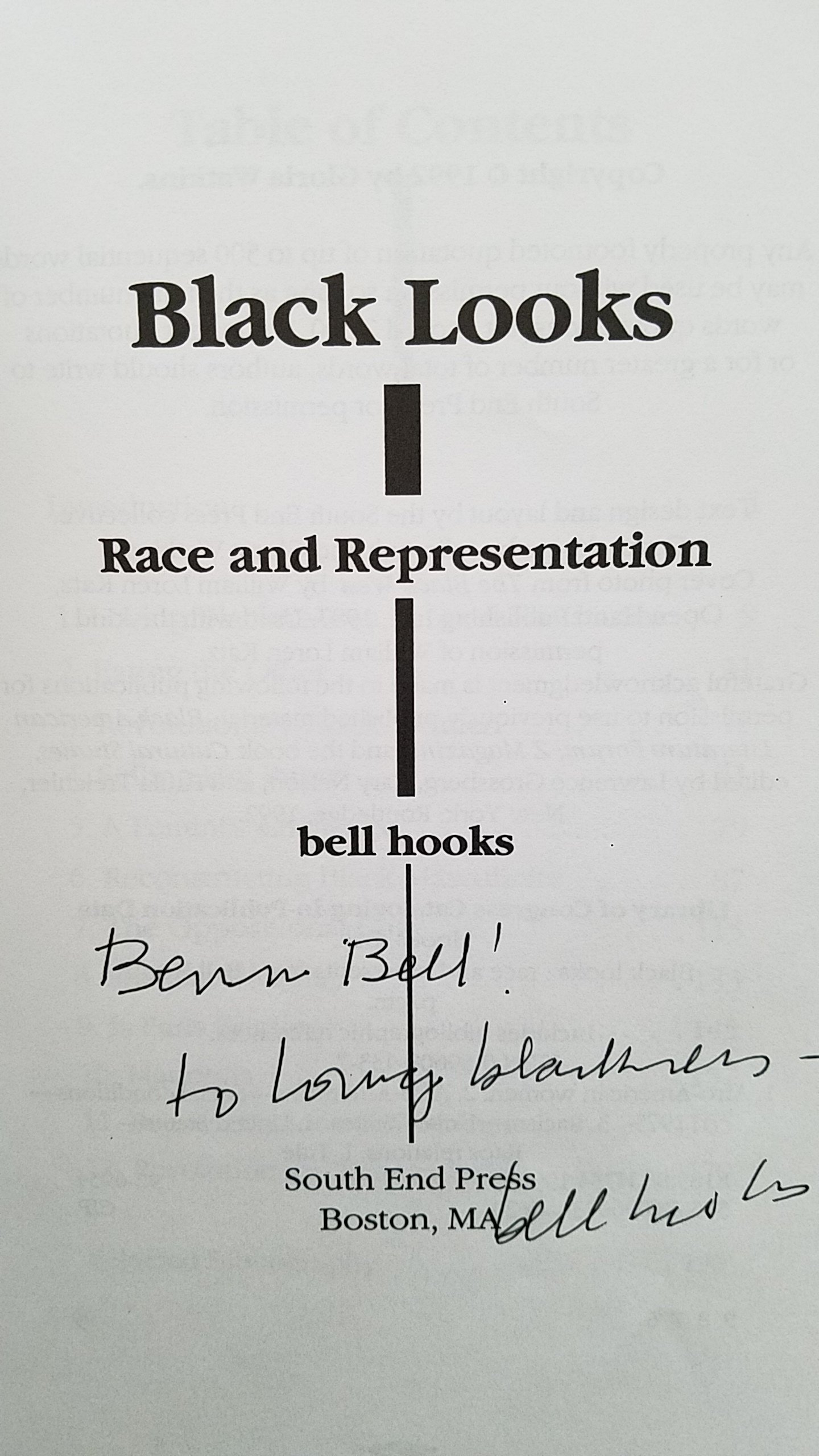
During the time of Coronavirus I took the opportunity to attend an online Buddhist Seminar entitled : In the Footsteps of Thich Nhat Hanh. I consider Thich Nhat Hanh to be my guru. It was a five day summit, but since I was stuck at home I had plenty of time to attend. On the second day of the summit, at the end of the day, there was a short video that featured the writer bell hooks. Now bell hooks would be just about the last person in the world I would ever expect to encounter at a Buddhist seminar. Not there is any thing wrong with bell hooks. I like bell hooks. I know bell hooks. I’ve read several of her books and I have tremendous respect for her. I met her once in Philadelphia at a lecture she gave at the Free Library. I brought a book along with me for her to sign after the lecture, which she graciously did. When it came my turn I stood before her and smiled at her and told her that we shared the same name and that we both were from Kentucky. She liked that. She autographed my book with the following inscription: “To Loving Blackness.”
It was an evening I would not forget. Bell hooks is a woman with a fierce intellect and strong opinions and she is a woman who is full of rage. She would be the first person to admit that. So, it was not without a little bit of surprise to run across this video of her at the summit. In the video she describes her encounter with Thich Nhat Hanh. She described how she was a little apprehensive about meeting the zen master. She told him when she met him that she was filled with rage. He met that rage with loving kindness. He said that was OK. Hold onto your rage and use it for compost for your garden. Well, at moment, she had a little aha experience. And she was able to transform her anger, and that was the point of the video. Perfect!
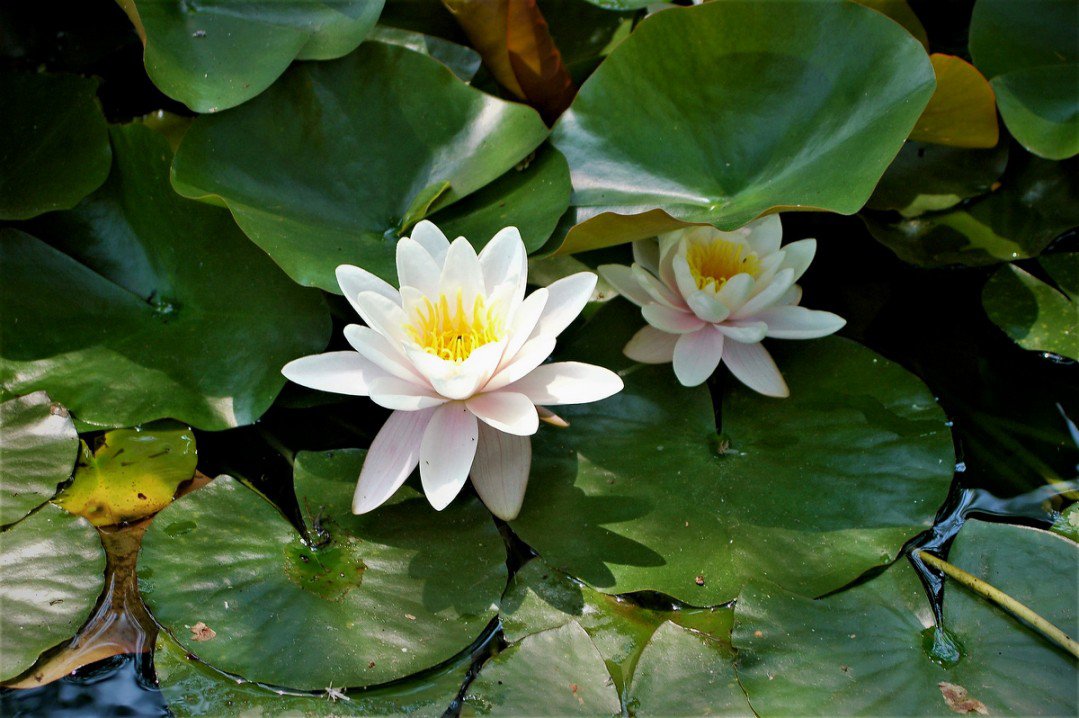
The lotus symbolizes the simultaneous nature of cause and effect or the laws of karma because it blossoms and produces seeds at the same time. We can create our own happiness under any circumstances. This is also symbolized by the lotus. The lotus grows and blossoms in a muddy swamp, yet remains utterly free of any defilement.




 Ghost Dog