The classical explanation of Right Speech is 1) Speaking truthfully. 2) Not speaking with a forked tongue. 3) Not speaking cruelly.
Right Speech is based on Right Thinking.
Deep listening is at the foundation of Right Speech
Compassionate listening brings about healing
When communication is cut off we suffer
The Bodhisattva Kwan Yin is the one who hears the cries of the world
If you really love someone, train yourself to be a good listener
You must use loving speech
You need to practice more walking meditation, more mindful breathing, more sitting meditation in order to restore your capacity for compassionate listening
When you begin to understand the suffering of the other person compassion will arise in you. Compassion is the only energy that can help us connect with another person. The person who has no compassion in him can never be happy
Writing is a deep practice
Silence is a time for looking deeply. There are times when silence is truth and that is called “thundering silence”
Words and thought can kill. We cannot support acts of killing in our thinking or in our speech. If you have a job in which telling the truth is impossible, you may have to change jobs. If you have a job that allows you to speak truth, be grateful. To practice social justice and non-exploitation, we have to use right speech
The Fourth Mindfulness Training is training oneself to listen with compassion
May my words be as beautiful as gems, as lovely as flowers
I am committed to cultivating loving speech and deep listening
Words can create happiness or suffering
I am determined to speak truthfully, with words that inspire self-confidence, joy, and hope
I will not spread news that I do not know to be certain and I will not criticize or condemn things of which I am not sure.
I am determined to make all efforts to reconcile and resolve all conflicts, however small.
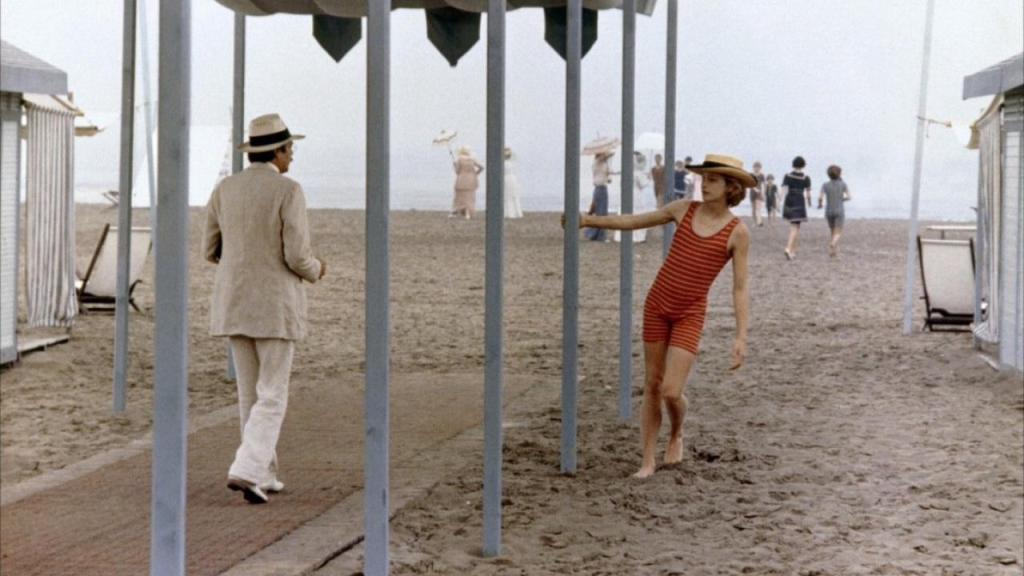
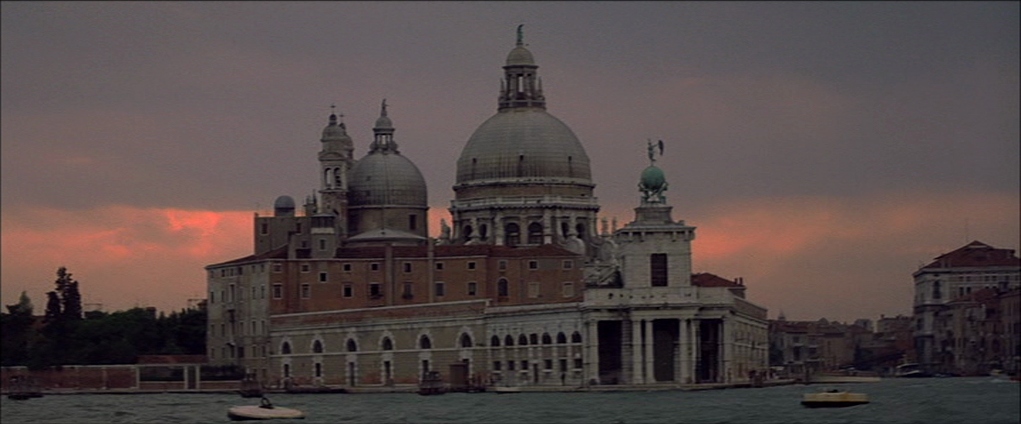
Death in Venice, directed by Luchino Visconti and starring Dirk Bogarde, is based on the Thomas Mann novella of the same name. A Gustave Mahler like character, named Gustave, goes to Venice for a rest. There he becomes infatuated with a teenaged boy who for him personifies his very idea of purity and beauty. The movie deals with the themes of death, beauty, decay, youth, old age, art, and oddly enough the plague.
Slow moving but exquisitely beautiful to watch. Some say Venice has never been so beautifully photographed. The score by Gustave Mahler is divine and is in perfect combination with the majestic beauty unfolding on the screen. There are long stretches with no dialogue, only visuals and music. A true classic of the cinema.
Available on the Criterion Channel or Amazon Prime.
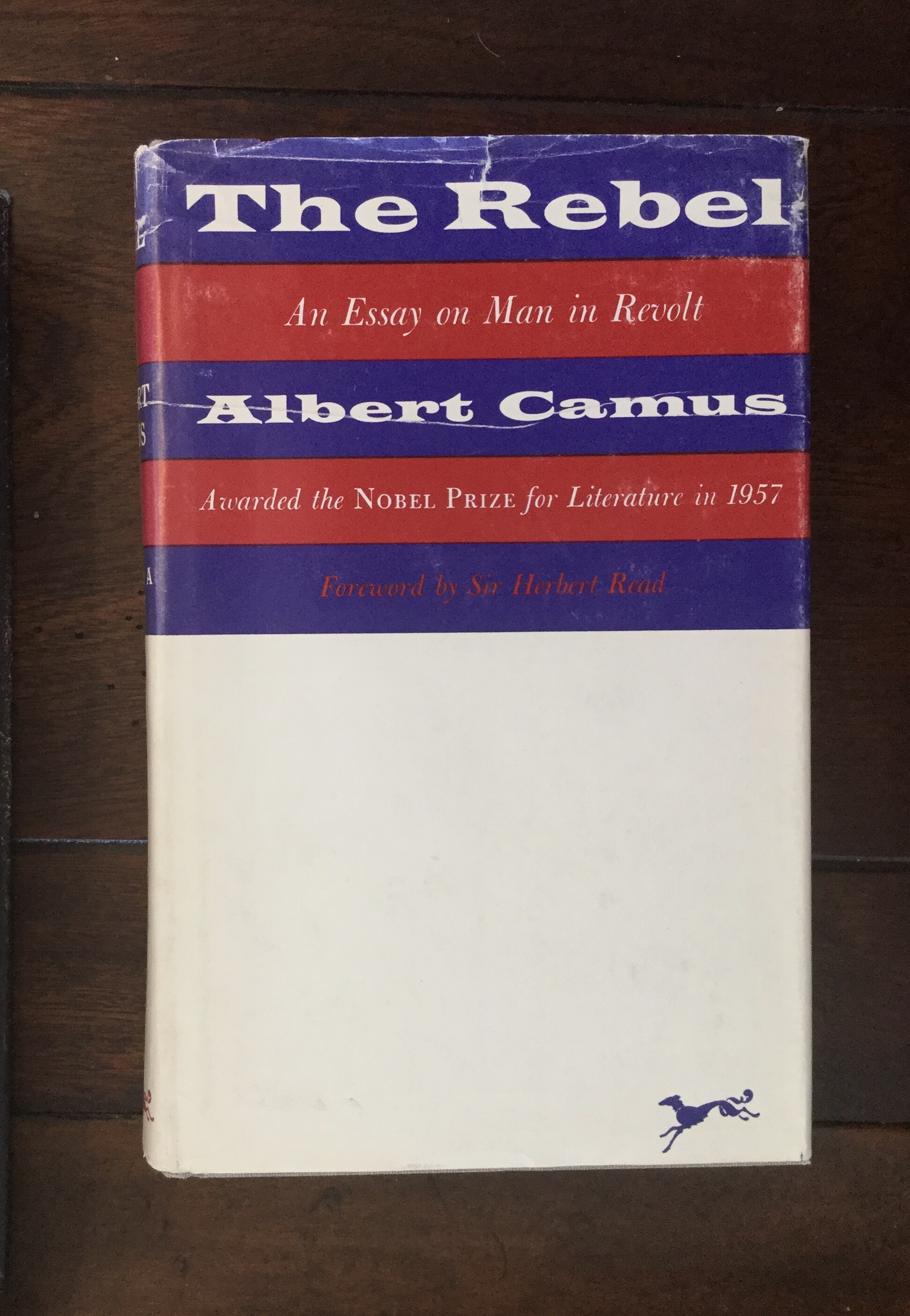
I’m giving The Rebel another read, a book I read when I was in my 20s, written by a man who has shaped my views more than any other, Albert Camus. You might think that The Plague might be more in order given the current plague we are now living through. Well, I’ve read that one too and it is vividly etched in my brain. But no, for me, given the current political situation in the USA, The Rebel is far more relevant. At no time during my lifetime, with the possible exception of the Vietnam war, has the idea of “man in revolt” been more relevant or more important. Updates to follow. I’ll be reading with new eyes…
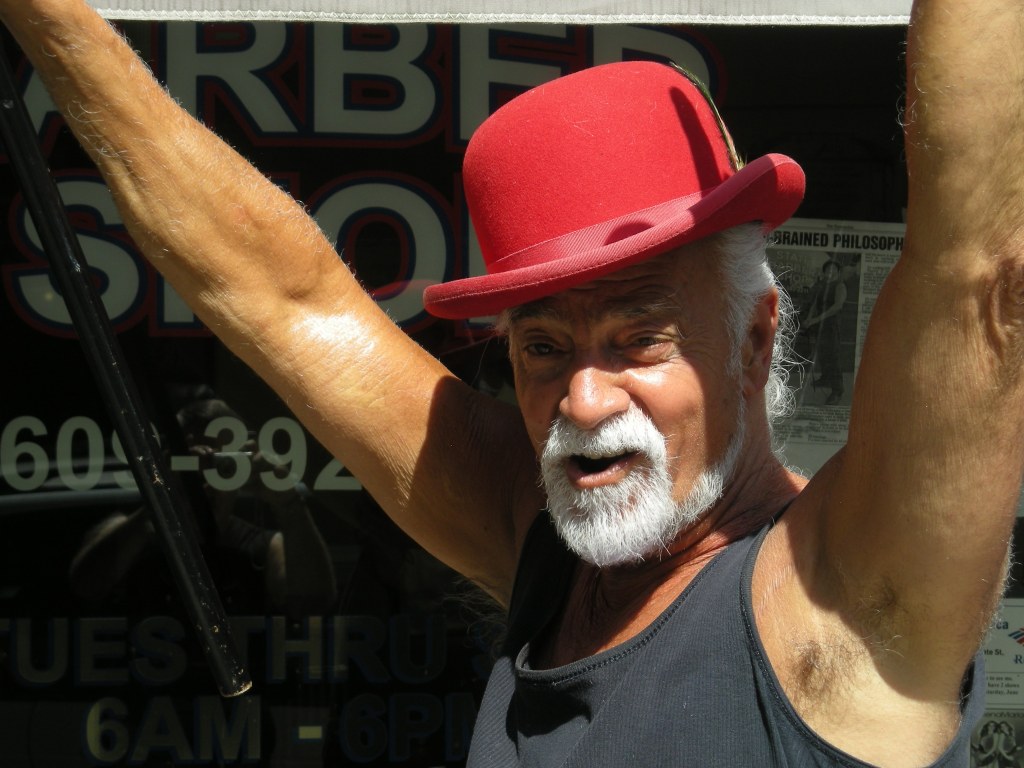
This guy used to cut my hair when I lived in Trenton. He was a throwback to the days of yore. As he was trimming me mop he would croon the lyrics to the song Volare.
Eloise woke early on a Saturday morning. The bedroom was filled with light and the sheer curtains hanging over the large windows danced lightly in the cool breeze. She sat straight up in bed and stretched her arms out overhead, twisted her body to the left and let out a pleasant sigh as she yawned trying to wake her body up. She could smell the aroma of freshly brewed coffee.
Fred, her husband, had gotten up earlier and went downstairs to make the coffee. This made Eloise happy. She got out of bed and put on her white silk dressing gown and went downstairs to meet the day. She was lighthearted and there was a spring in her step as she walked down the steps. On the way down she noticed the pictures of Brigid, her daughter, in a series from when she was a little girl until she was grown. These pictures were hung on the wall in stages as one descended the stairs and told the life story of little girl who grew into a beautiful woman. It had been her wedding day just a few short days ago and she was now on her honeymoon with her new husband, Bob. The newlyweds traveled to Paris right after they got married. Eloise could not be happier. She felt like it was a good match and that Bob and Brigid were a good fit together.
After coffee, Eloise decided to go out into her garden and pull weeds. It was situated in the backyard of their spacious house next to the pool. The house was a two-story Colonial located in a subdivision in the east part of town. The rooms were light and airy and filled with beautiful furniture. They had lived there the whole time Brigid was growing up. Now that she was gone Eloise would have to find more ways to spend her time. She couldn’t help but being happy for her though and a great feeling of pride rose in her bosom as she gazed out over her flowers.
Fred descended the stairs in the gloom of the early morning and headed to the kitchen for his first cup of coffee. The ancient wooden steps creaked under each of his footfalls as he traversed the stairs. He walked slowly through the dark hallway into the living room to pick up the morning paper so he would have something to read with his coffee. He noticed the tattered tapestries hanging from the dark gray walls which perfectly matched his mood for the day. He has been living in an atmosphere of sorrow ever since the day his only daughter, Melissande, left home with that guy from the carnival, Lukas.
Once in the kitchen Fred opened a tin of expresso coffee and filled the filter basket. The window of the kitchen looked out over a dull and deadly terrain. Viewed from the outside the window looked like a vacant eye. There was a large tree in the center of the yard which was still hidden in shadows. It had been struck by lightning a few years back and was in a steady state of dying. There was a malodorous fragrance wafting inside through the open window from the slate colored pond that smelled like decaying organic matter. Fred closed the window, nearly gagging as he did so.
As he drank his coffee Fred looked around. A lot needed to be done he thought. This kitchen is a mess. The dishes have piled up in the sink ever since she left begging to be washed. There were crumbs on the counters and in the corners the linoleum was starting to curl up. Oh well, he said to himself. I’ll get started tomorrow. Maybe she’ll stop by for a visit someday this week.
Fred sighed and drank his coffee. Then he put his head down on his arms resting on the table and you could see his shoulders gently rise and fall.
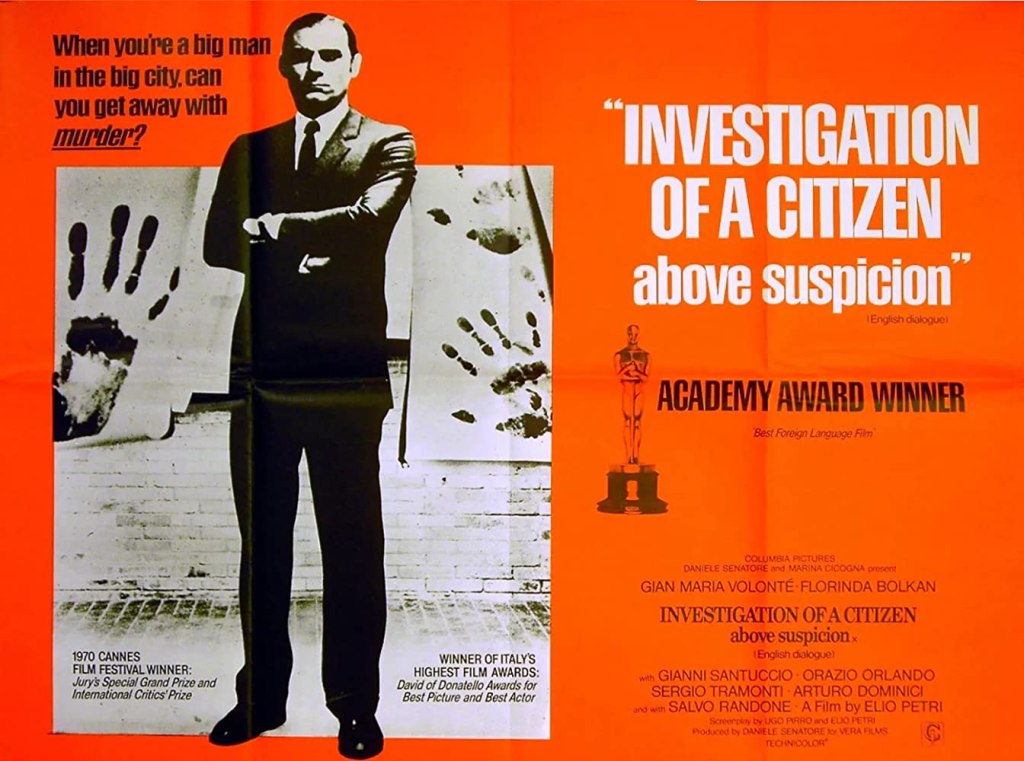
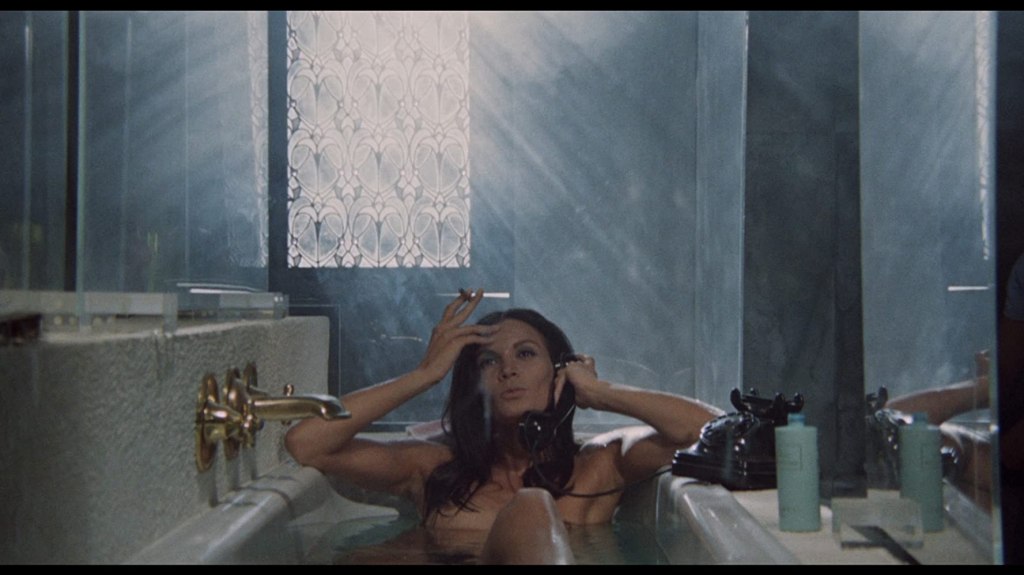
Investigation of a Citizen Above Suspicion (1970). Directed by Elio Petri, starring Gian Maria Volonte and Florinde Bolkan. This is a nice little piece of Italian surrealism. Kafkaesque and so direct. Beautifully photographed in Technicolor. The colors are muted but strong. Score by the inimitable Ennio Morricone, which I found bit quirky but, given the material works. Winner of the Academy Award for Best Foreign Language Film. .
A chief of detectives, homicide section, kills his mistress and deliberately leaves clues to prove his own responsibility for the crime.
A little heavy handed politically but all satire is hyperbolic, that is what makes it satire
Highly rated and recommended.
Available on the Criterion Channel on Amazon Prime.
In the days of Coronavirus, during the lock down, my travel, like everyone else, was restricted. So, I stayed within the environs of my hometown, Louisville, Kentucky. Louisville is a pretty little town located along the banks of the Ohio River. It has been described by some as the gateway to the south. Mainly known for Churchill Downs and bourbon it has more than its fair share of pretty women and all the children are above average. In the mornings I would sometimes go down to the river and walk across the Big 4 Bridge and take pictures. This is what I saw.