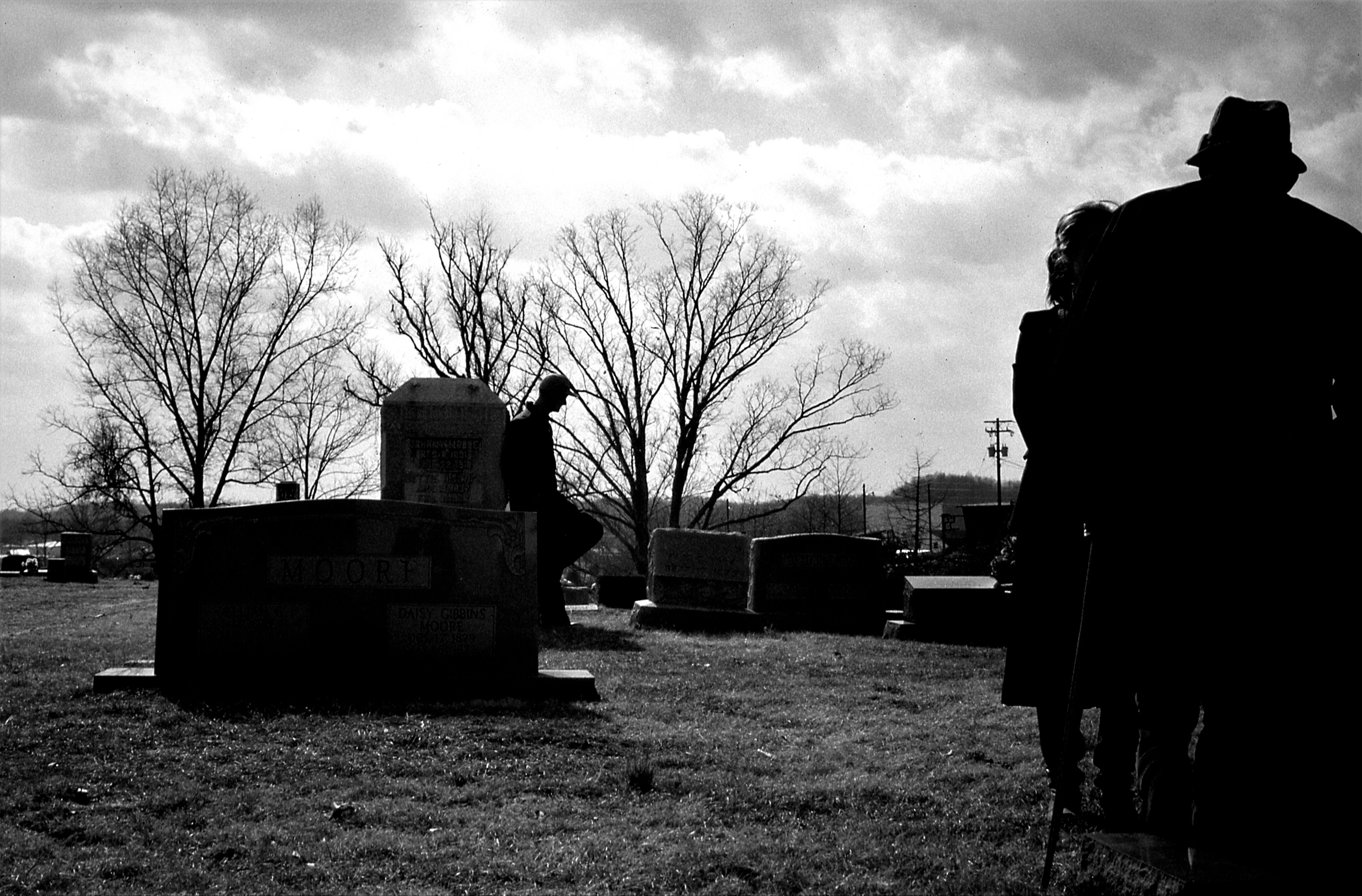
Photo credit: Benn Bell
Photo credit: Benn Bell

Do not pursue the past. Do not lose yourself in the future. The past no longer is. The future has yet to come. Look deeply at life as it is in the very here and now. The wise person knows how to live in mindfulness day and night.
-Shakyamuni Buddha

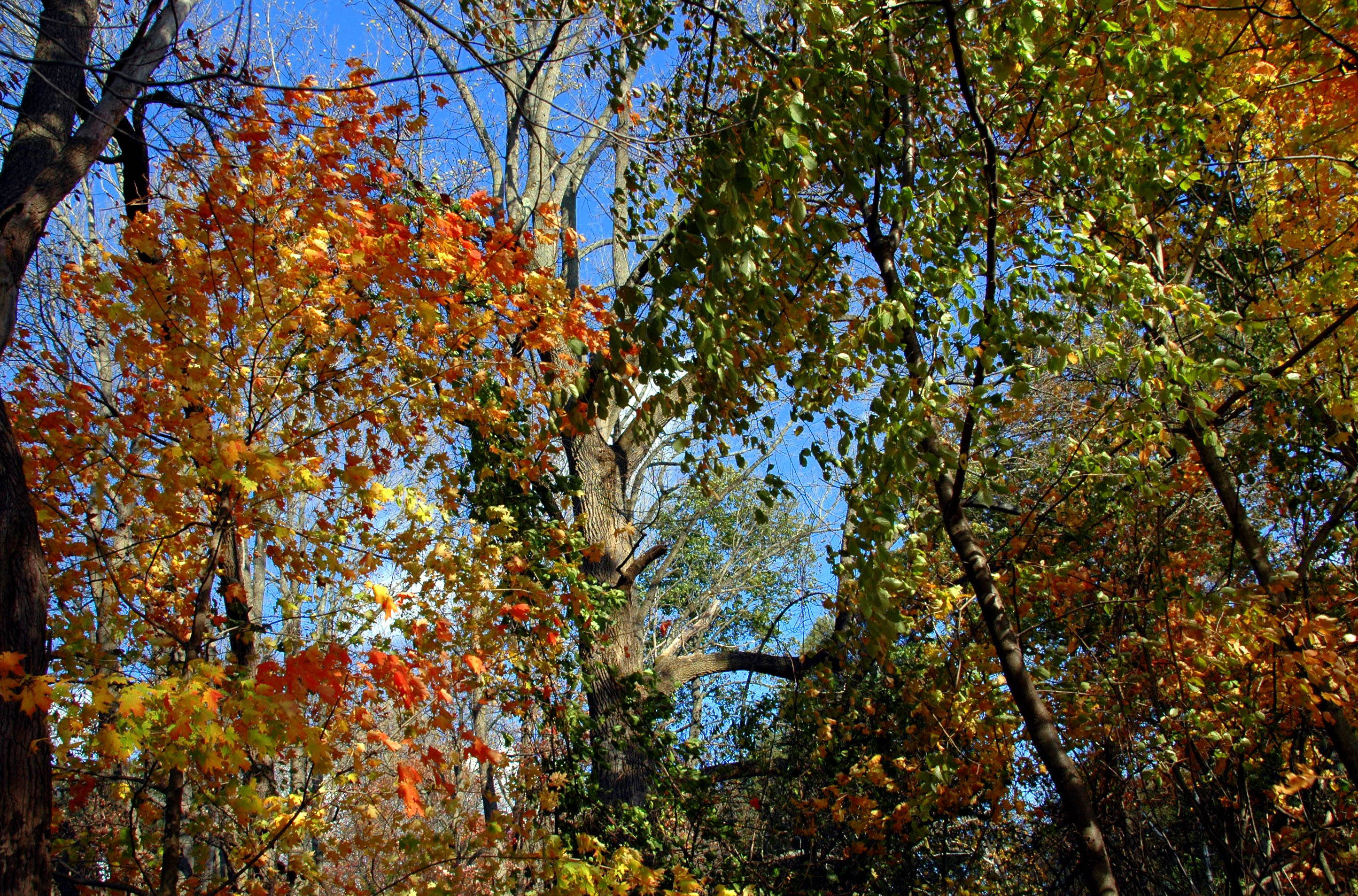
“Autumn is a second spring when every leaf is a flower.”
-Albert Camus

Language is like a cracked kettle on which we beat out our tunes for bears to dance to, while all the time we long to move the stars to pity.
Gustave Flaubert, Madame Bovary

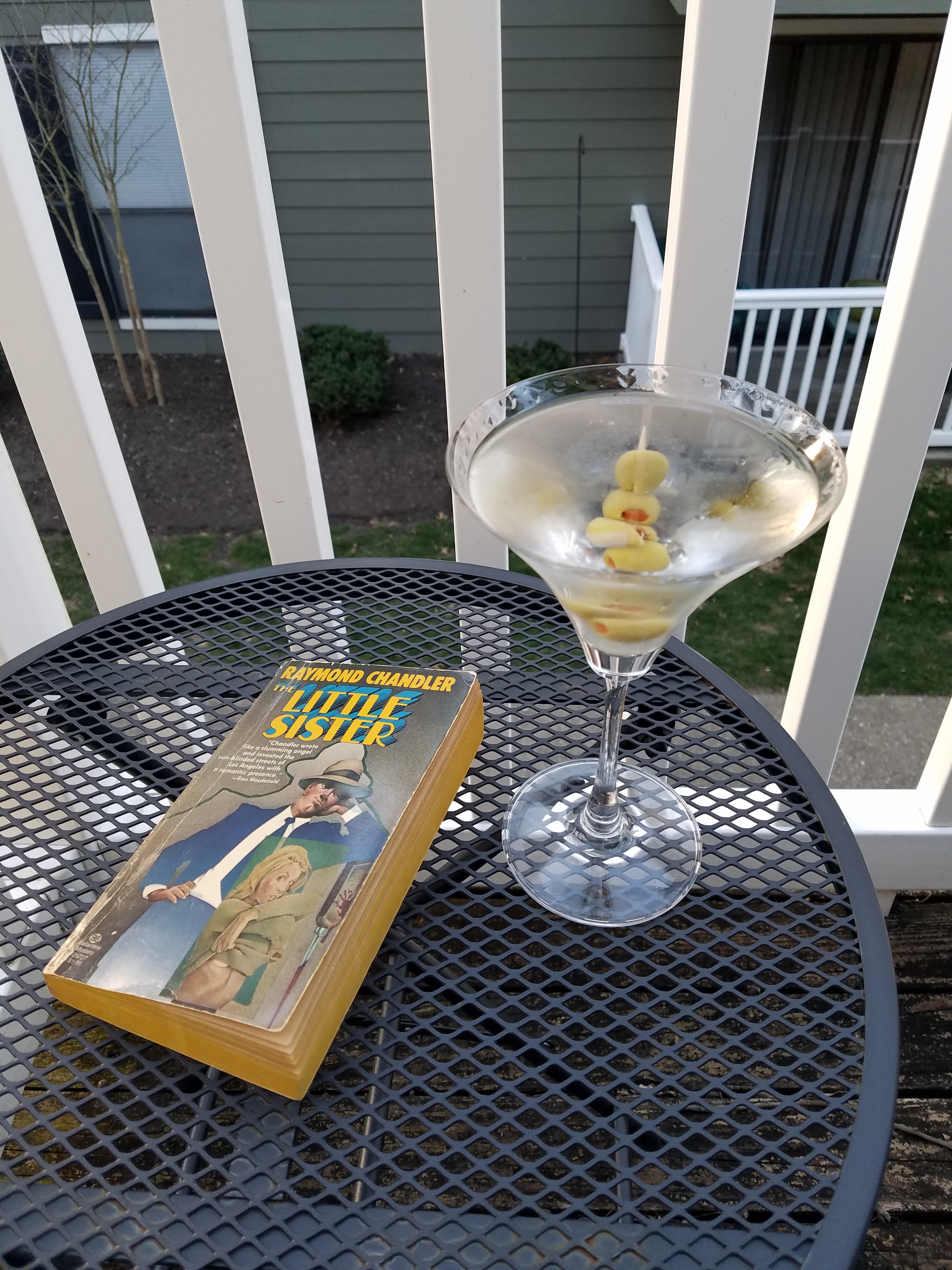
I have been having a lot of fun lately reading the annotated version of the Big Sleep by Raymond Chandler. The text of the novel appears on the left side of the book while the notes are on the right. This book was annotated and edited by Owen Hill, Pamela Jackson, and Anthony Dean Rizzuto. Much of the material in this review is gleaned from their notes.
Raymond Chandler wrote, as Ross Macdonald said, like a slumming angel. His private eye, Philip Marlowe, was portrayed as a knight errant, searching for adventures and rescuing damsels in distress. He embodied the chivalric code.
In The Simple Art of Murder, Chandler wrote: “Down these mean streets a man must go who is not himself mean, who is neither tarnished nor afraid. The detective in this kind of story must be such a man. He is the hero; he is everything.” He also said, “When in doubt, have a man come through the door with a gun in his hand.”
The Big Sleep, like all of Chandler’s novels and short stories, is of the hard boiled, pulp fiction, detective story genre. But Chandler was a cut above the rest. Heavily influenced by Dashiell Hammett and Ernest Hemingway, he improved upon a category of fiction that was mostly known for its lurid and salacious subject matter.
Another reason I like this book is that it gives the history of Los Angeles during and around the time period (1930s) of the novel. It also goes to great lengths to explain Americanisms, colloquialisms, slang, and genre jargon.
The Big Sleep, while a great read and a ripping good story, has a complicated plot. In this version the editors give us some guidance into Raymond Chandler’s intricate and labyrinthine novel.
I quote liberally from the novel as Chandler’s writing style is the best part of his work and the most entertaining. His use of hyperbole and exaggeration is a real gas. Also, I will be dropping some interesting asides about LA.
Los Angeles in the 1910s was the fastest growing city on earth. The population exploded 400% between 1910 and 1930. It went from 310,000 to about 1,250,000, with the greater LA County area housing 2.5 million. The Los Angeles Aqueduct was built to steal water from the Owens Valley 250 miles away. Corruption was rife. Politicians and the police often worked together with organized crime. Los Angeles was also known as a “Sin City” much like Las Vegas, with booming prostitution and gambling. According to journalist Carey McWilliams, “Los Angeles was the kind of place where perversion was perverted and prostitution was prostituted.”
“I was neat, clean, shaved and sober, and I didn’t care who knew it.”
Marlowe cracks wise throughout the novel. The term wisecrack dates from the 1920s and is associated with tough guy or hard-boiled fiction. The queen of the wise crack was the dame of the Algonquin Round Table, Dorothy Parker, who was known to have said, “The first thing I do in the morning brush my teeth and sharpen my tongue.”
Carmen: Tall, aren’t you?
Marlowe: I didn’t mean to be.
Carmen: What’s your name?
Marlowe: Reilly. Doghouse Reilly.
Carmen: That’s a funny name. Are you a prize fighter?
Marlowe: Not exactly. I’m a sleuth.
Chandler considered it his duty as a writer to affirm life and liveliness against the deadly and the dull. A sentiment I have always lived by myself.
She put a thumb up and bit it. It was a curiously shaped thumb, thin and narrow, like an extra finger, with no curve in the first joint. She bit it and sucked it slowly turning it around I her mouth like a baby with a comforter.
Chandler used blackmail in fourteen of his short stories and five of his novels. Blackmail was very common in LA in the 20s and 30s. As headlines show: “GIRL TRIES BLACKMAIL! CAUGHT IN POLICE TRAP!” “FUGITIVE SEIZED IN EXTORTION CASE.” “FANTASTIC PLOT AGAINST POLA NEGRI BARED” “EXTORTION PLOT SUSPECT TAKEN: STANDARD OIL MILLIONAIRE’S EX-CHAUFFEUR ACCUSED.” W. Sherman Burns, head of the Burns Detective Agency, said in 1922, “Blackmail is the big crime in America today.
The 1939 WPA (Works Progress Administration) Guide calls Los Angeles the fifth largest Mexican City in the world.
In 1904 Lincoln Stephens wrote an expose called, The Shame of American Cities. In it he states politics is business. In America, politics is an arm of business and the aim of business it to make money without care for the law, because politics, controlled by business, can change or buy the law. Politics is interested in profit, not municipalities, prosperity, or civic pride. The spirit of graft and lawlessness is the American spirit. Raymond Chandler wrote in 1934, “The typical racketeer is only slightly different from the business man.”
Ernest Hopkins wrote in Our Lawless Police, 1913, “Nothing so clearly marks our policing traditions in American cities as the use of extreme and unlawful force. In LA there exists a theory of law enforcement more openly opposed to the constitution than any I have yet encountered.”
“A life is a life.”
“Right. Tell that to your coppers next time they shoot down some scared petty larceny crook running away up an alley with a stolen spare.”
There seems to be a connection between French Existentialist writers and hard-boiled fiction writers like James Cain, Dashiell Hammett, and Raymond chandler. Albert Camus may have been influenced by the private investigators appearing in American detective novels like Philip Marlowe, as his portrayal of the quintessential alienated outsider Meursault in his own novel, The Stranger, clearly shows.
“I was fired for insubordination. I test very high on insubordination.” Marlowe
Marlowe is not an outlaw, but he does live by his own code, and he sometimes breaks the law by so doing. Jean-Paul Sartre says in Being and Nothingness: “Man can will nothing unless he has first understood that he must count on none but himself; that he alone, abandoned on earth in the midst of his infinite responsibilities, without help, with no other aim than to the one he forges for himself on this earth.” Marlowe understands this and accepts the challenge.
Some of my favorite lines and quotes from the novel:
“I haven’t asked her. I don’t intend to. If I did, she would suck her thumb and look coy.”
“I met her in the hall. She did that to me. Then she tied to sit on my lap. I was standing up at the time.”
Vivian: A lot depends on who is in the saddle.
“I’ve been shaking two nickels together for a month, trying to get them to mate.”
“That’s how people get false teeth.”
And the last line of the novel:
The editors of WordPress have chosen “Lust” as the word of the day for my daily inspiration. I am happy to accommodate them with my own interpretation and inspired rendering of this volatile, combustible, and knocked out loaded word.
I take you to the lust capitals of the world, two sister cites really, which gives an extra added dimension to the word lust, if you catch my meaning.
So here we have visual evidence of the lusty nature of these two great cities: Philadelphia and Paris.

A Philly stripper goes into the Candy Store for stripper supplies.
“Of all the worldly Passions, lust is the most intense.”
-Buddha

Purple Orchid, Philadelphia
“She was perfect, pure maddening sex, and she knew it, and she played on it, dripped it, and allowed you to suffer for it.”
– Charles Bukowski

Ozz Gentleman’s Club, Philadelphia
“Lust is the source of all our actions, and humanity.”
― Blaise Pascal
Club Ozz, Philadelphia
“I live for sex. I celebrate it, and relish the electricity of it, with every fibre of my being. I can see no better reason for being alive.”
― Fiona Thrust

Sex Shop on South Street in Philly
“The world is divided into those who screw and those who do not. He distrusted those who did not—when they strayed from the straight and narrow it was something so unusual for them that they bragged about love as if they had just invented it.”
― Gabriel Garcia Marquez, Love in the Time of Cholera
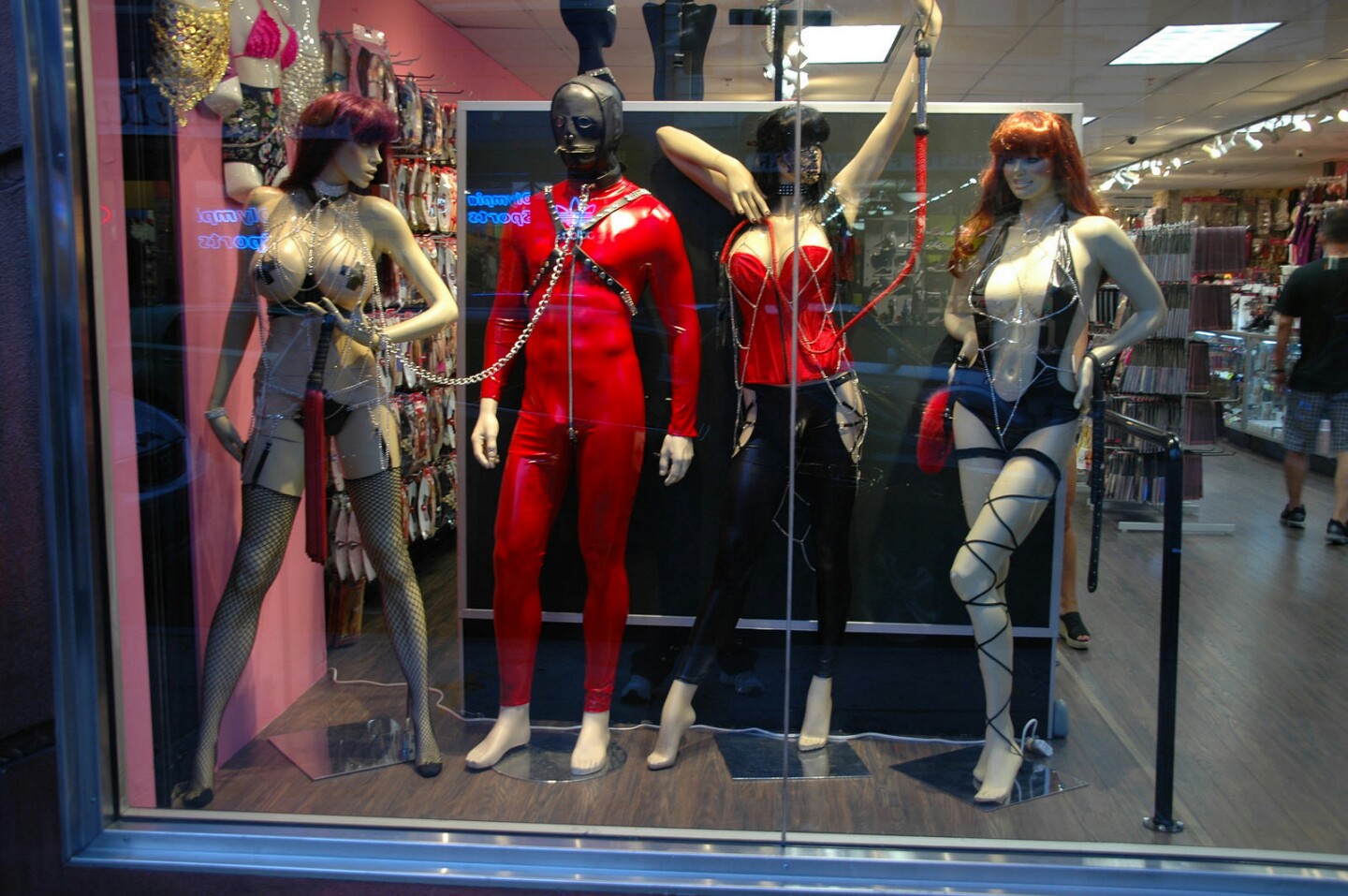
Leather and Latex, Philly
“Lust’s Passion will be served; it demands, it militates, it tyrannizes.”
-Marquis de Sade

Moulin Rouge in Paris where girls who can Cancan
“Lust is to the other passions what the nervous fluid is to life; it supports them all, lends strength to them all ambition, cruelty, avarice, revenge, are all founded on lust.”
– Marquis de Sade

Pussy’s Gentleman’s Club, Paris
“I can resit anything but temptation.”
– Oscar Wilde

Sex Shop, Paris
“There’s something here, my dear boy, that you don’t understand yet. A man will fall in love with some beauty, with a woman’s body, or even a part of a woman’s body (a sensualist can understand that) and he’ll abandon his own children for her, sell his father and mother, and his country, Russia, too. If he’s honest, he’ll steal; if he’s humane, he’ll murder; if he’s faithful, he’ll deceive.”
-Fyodor Dostoyevsky, The Brothers Karamazov
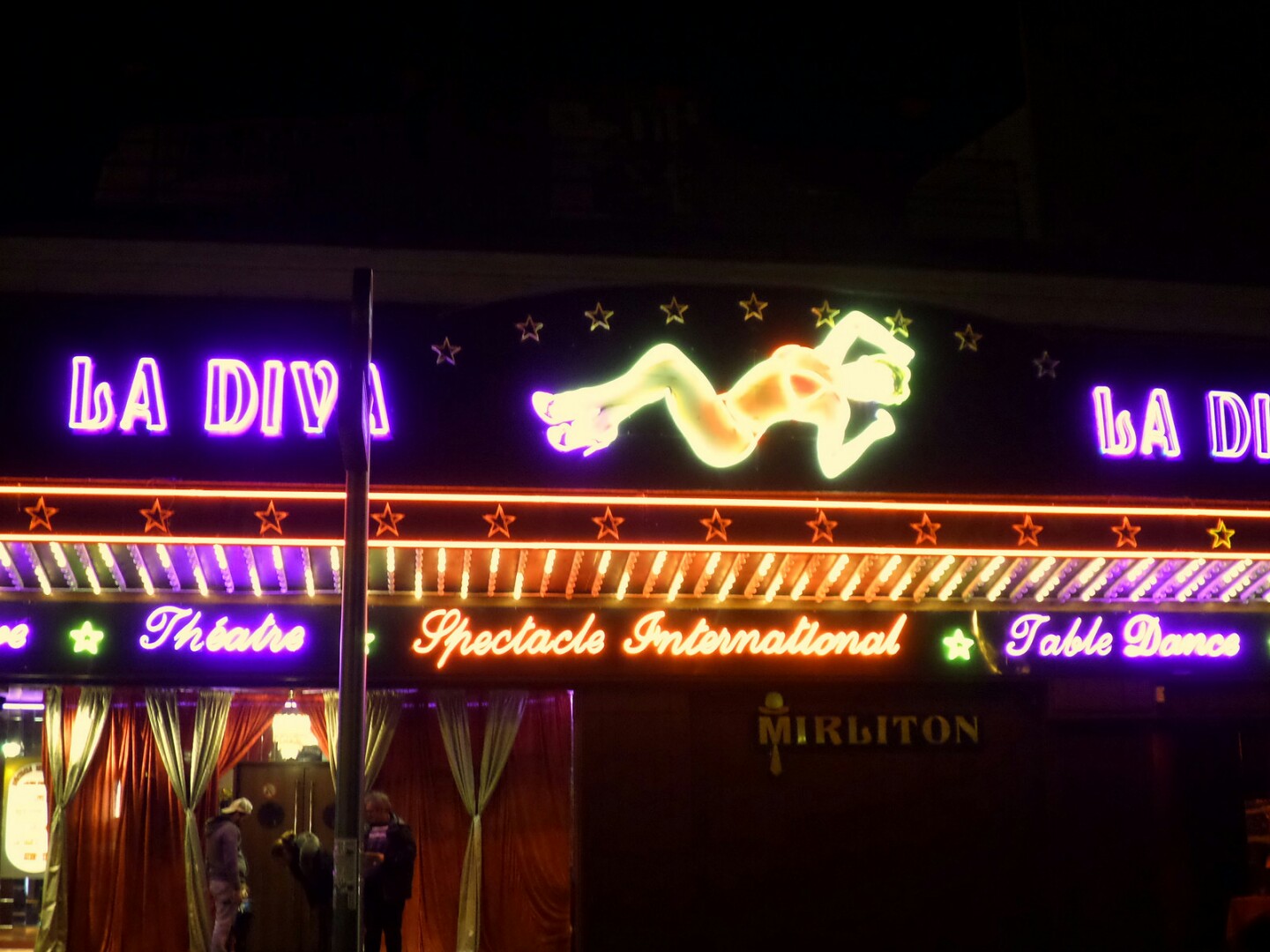
La Diva, Paris
“Only the united beat of sex and the heart can create ecstasy.”
-Anais Nin
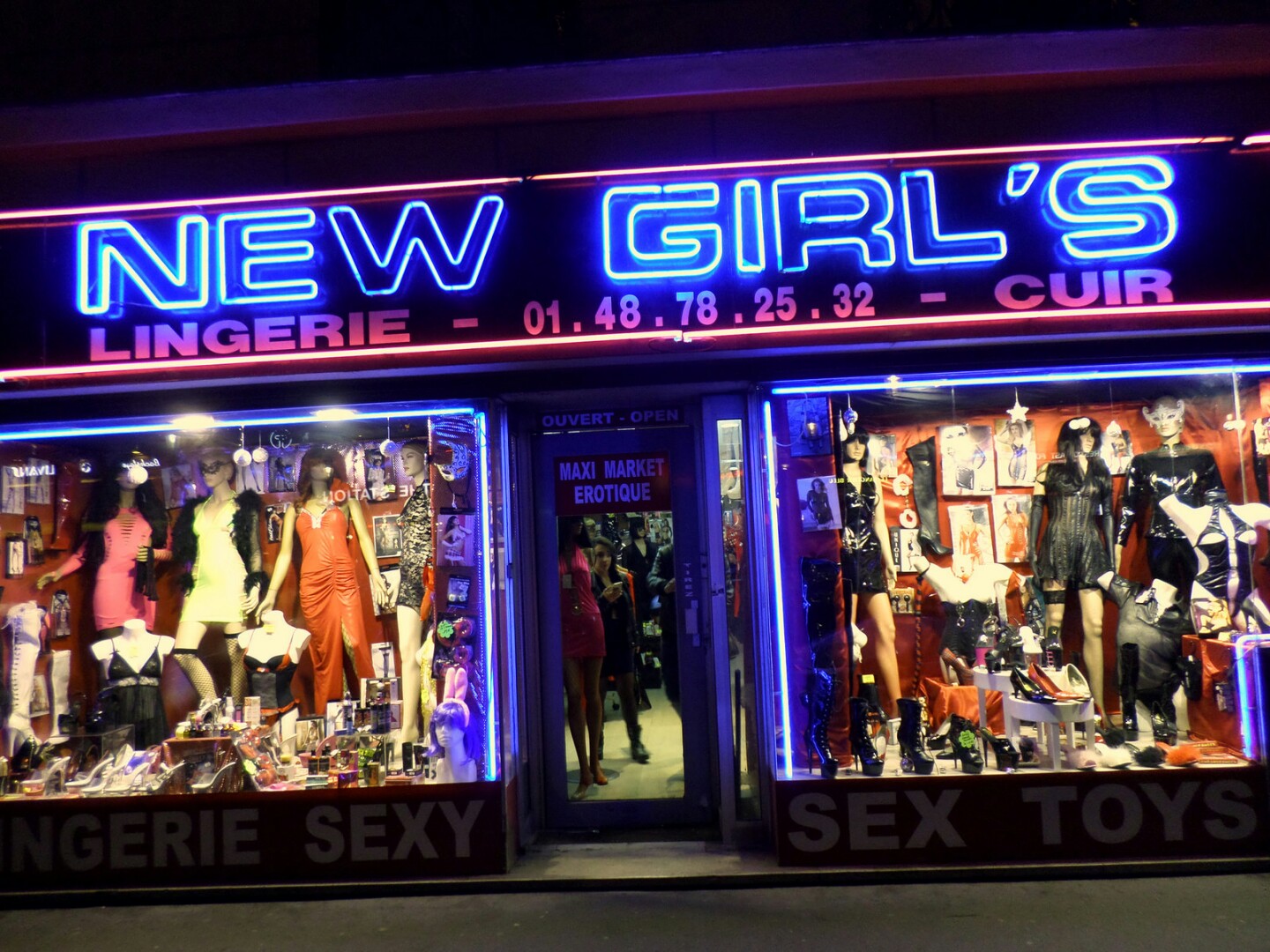
New Girl’s, Paris
“To have her here in bed with me, breathing on me, her hair in my mouth – I count that as something of a miracle.”
-Henry Miller
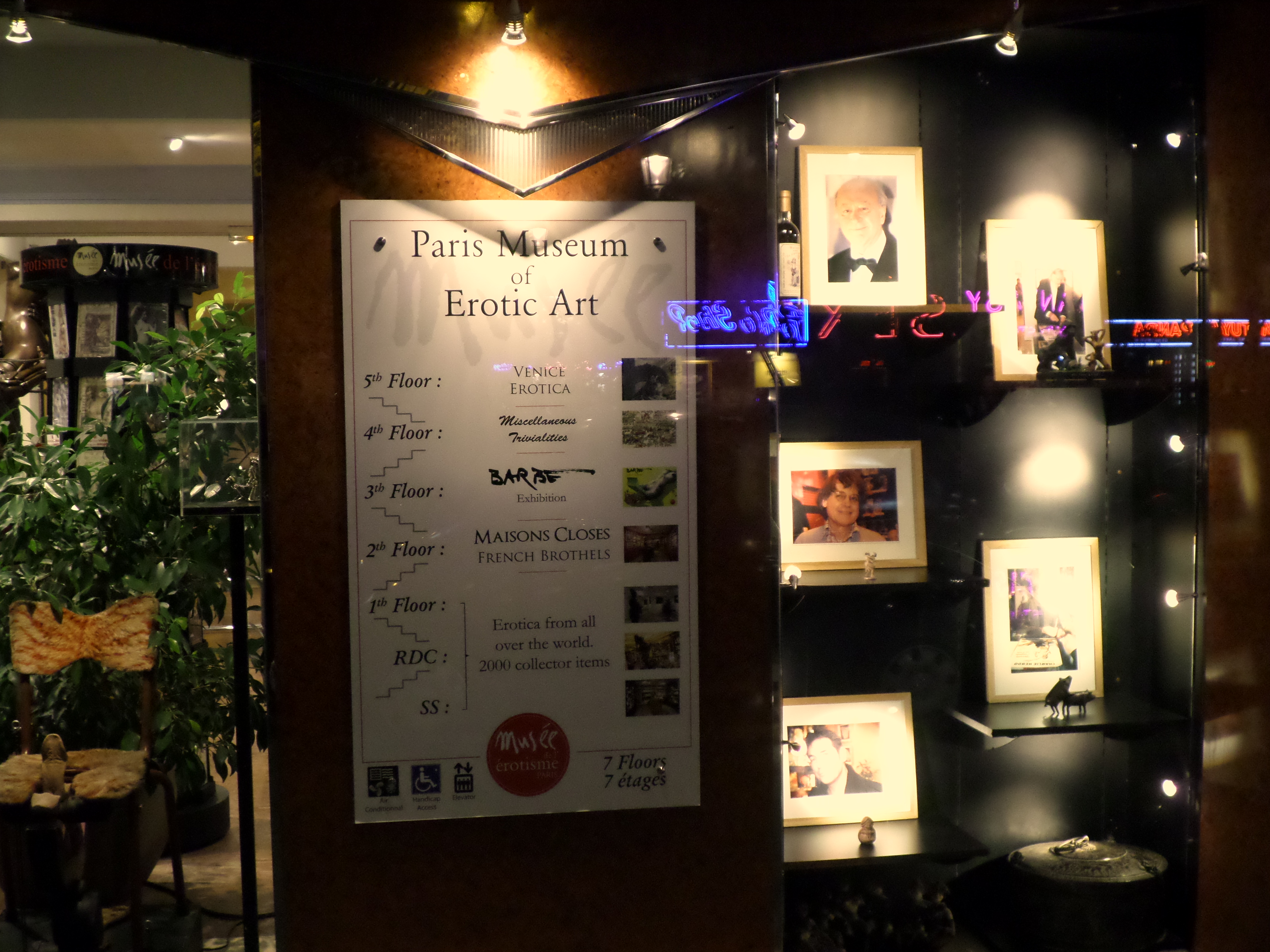
Paris Museum of Erotic Art
All photos by me.
“Do you always wear black?”
“Yes. It is more exciting when I take my clothes off.”
“Do you have to talk like a whore?”
“You do not know very much about whores, amigo. They are always most respectable. Except of course the very cheap ones.”

“I come to bury Caesar, not to praise him. The evil that men do lives after them; The good is oft interred with their bones.”
-William Shakespeare, from Julius Caesar
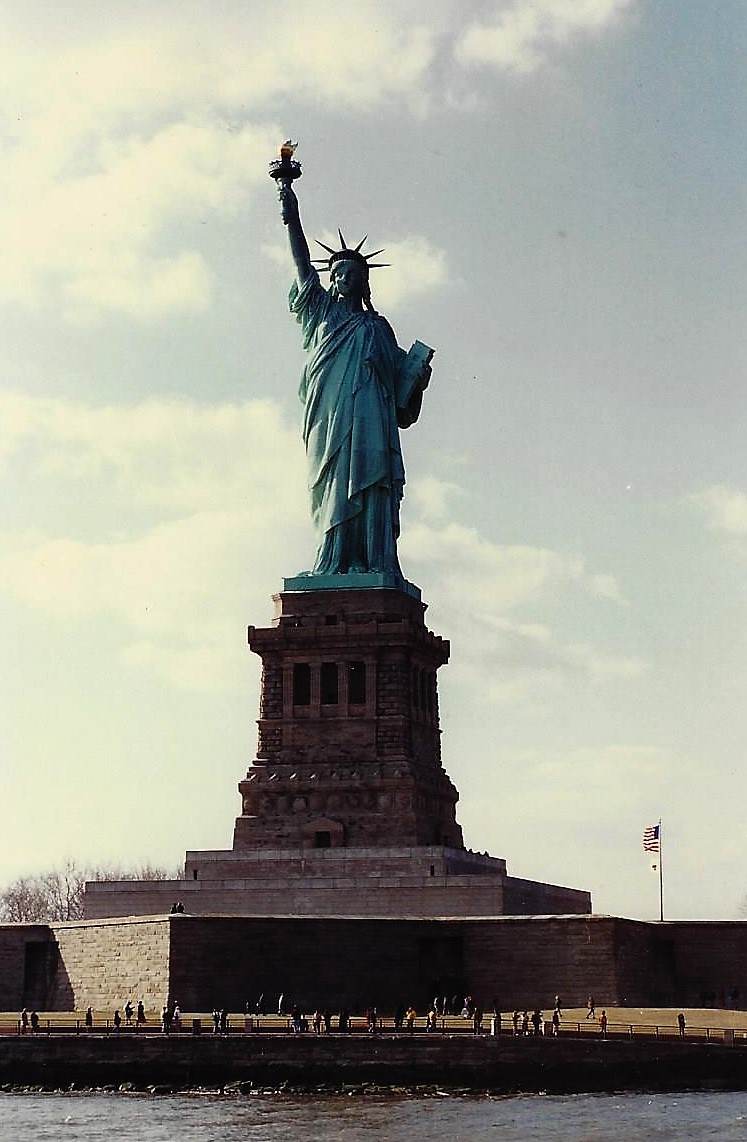
Give me your tired, your poor,
Your huddled masses yearning to breathe free,
The wretched refuse of your teeming shore.
Send these, the homeless, tempest-tossed, to me:
I lift my lamp beside the golden door.”
 Ghost Dog