
Empty of self, free of signs, without aim—this very moment is the way.
Empty of self, free of signs, without aim—this very moment is the way.
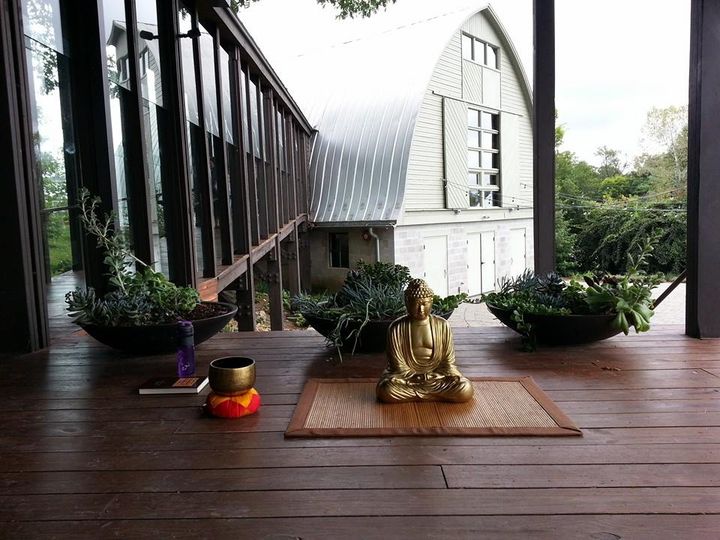

As part of my daily Buddhist practice, I study the scriptures and the writings of other Buddhist teachers. Every once in a while, I run across a teaching that really resonates. Today’s bit of wisdom comes from Pema Chodron and is called “shenpa.” Loosely translated it means, “attachment.” Attachment in this sense means, “taking the hook.”
Example: Let’s say someone criticizes you for something. You immediately feel a tightening sensation as the blood rises in your body and you want to strike out and take revenge. Then you speak or act. This is taking the hook.
If we catch this shenpa early enough we can deal with it through patience and not react on autopilot. We can develop patience through meditation. If we acknowledge the feeling early on and equate it with loving kindness, we can avoid being triggered into acting out against the person who criticized us.
Meditation teaches us how to open up and relax with whatever comes our way. When we learn patience, we learn how to interrupt the chain reaction of habitual responses that tend to rule our lives. This is a hard lesson to learn and is something I strive for every day.

Twelve Links in the Chain of Interdependent Co-Arising
Each link contains the other links. All teachings of Buddhism are based on interdependent co-arising. If a teaching is not in accord with interdependent co-arising it is not the teaching of the Buddha. Buddha taught that everything is both cause and effect. Interdependent co-arising goes beyond our concepts of time and space. The one contains all.
The presence of light means the absence of dark. The presence of day means the absence of night. The presence of ignorance means the absence of understanding. The Buddha said, “When ignorance comes to an end, understanding arises.”
Based on the teachings of Thich Nhat Hanh
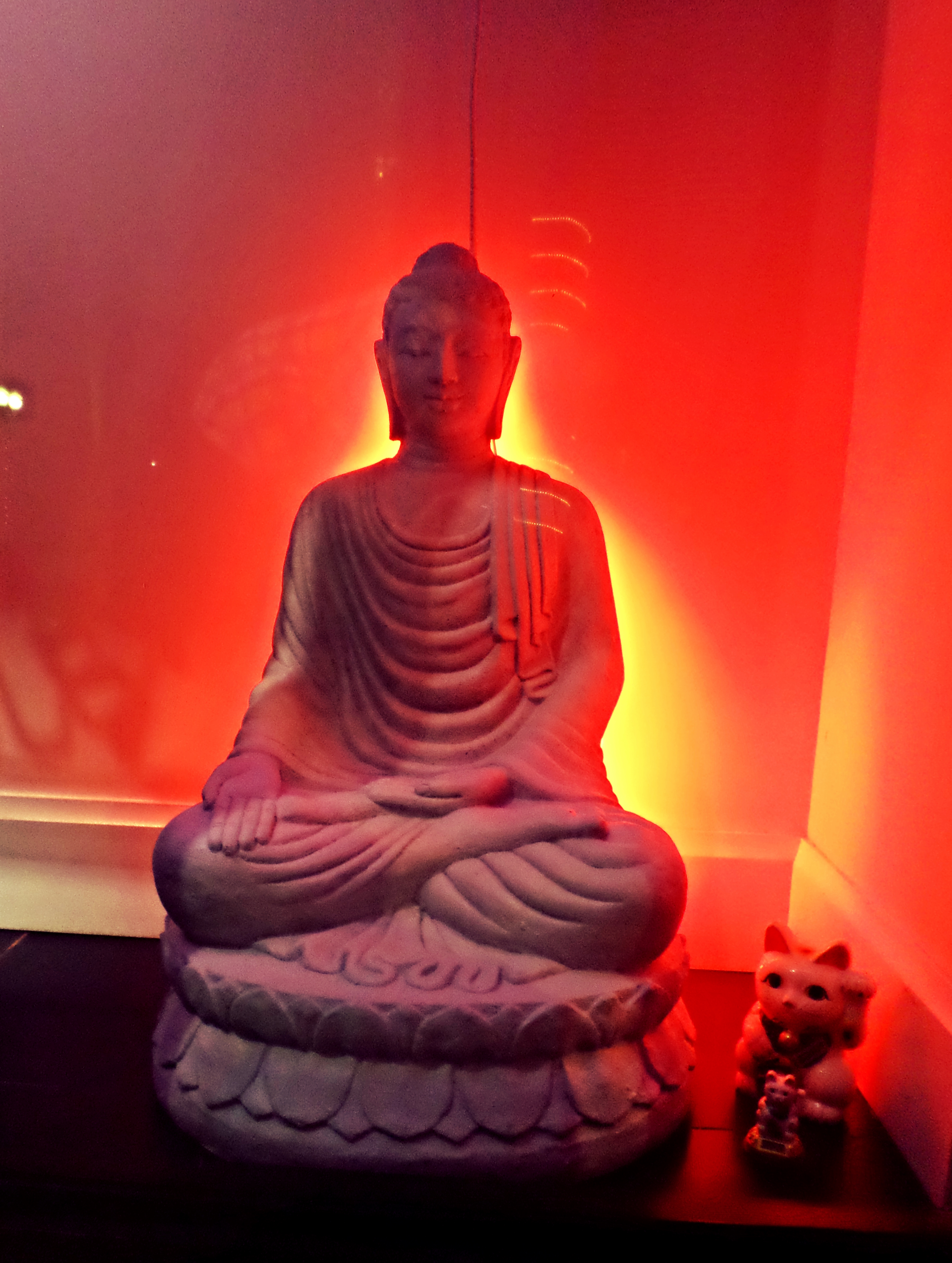
The Four Immeasurable Minds
Based on the teachings of Thich Nhat Hahn
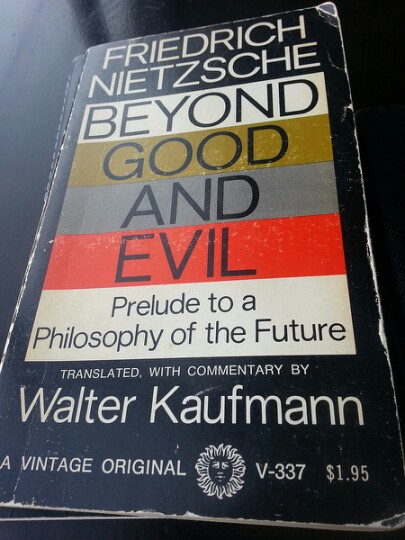
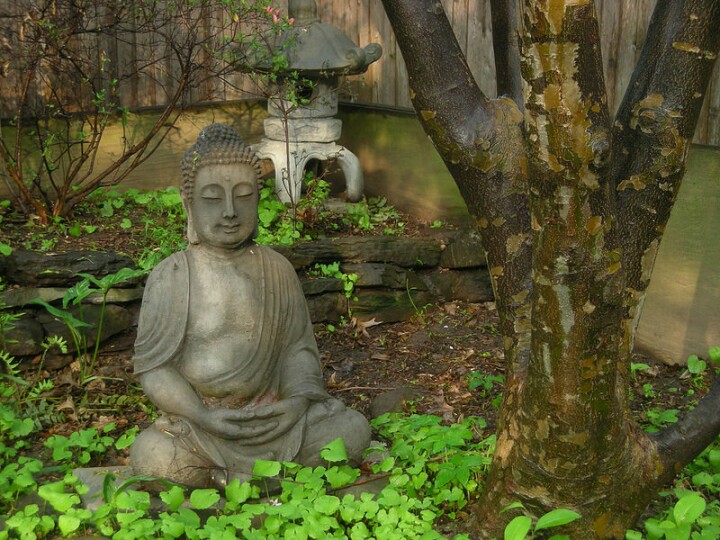
Nietzsche in the morning Buddha at night
They kinda counteract each other but keep me upright
One thing they both seek to do is to find the truth
The will to truth is the will to power
When you sit sit when you stand stand
Above all you mustn’t wobble.
 Ghost Dog