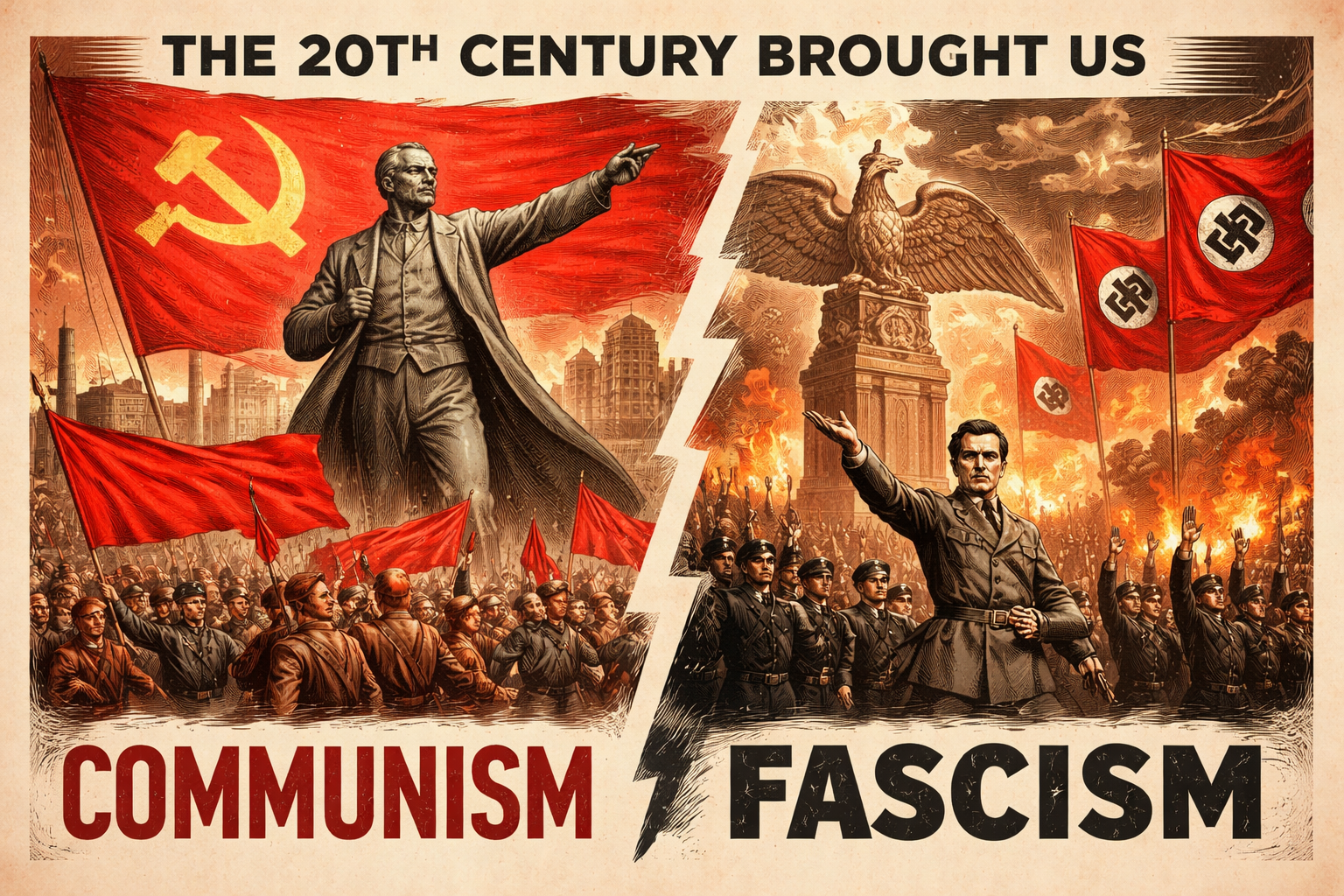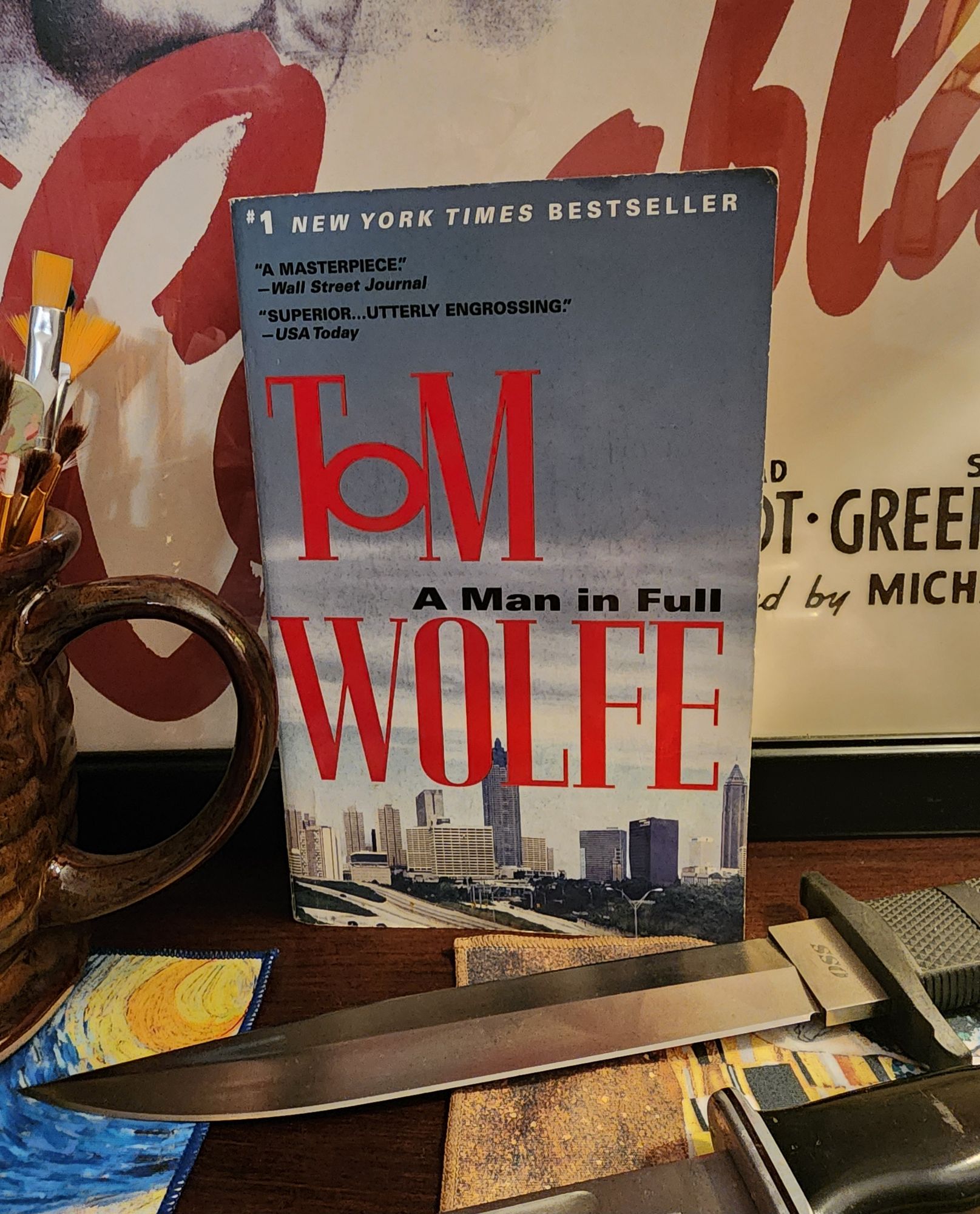
The 20th Century brought us fascism and communism. Here are 20 lessons we can learn from this era gone by, brought to you by Timothy Snyder, professor of history at Yale University.
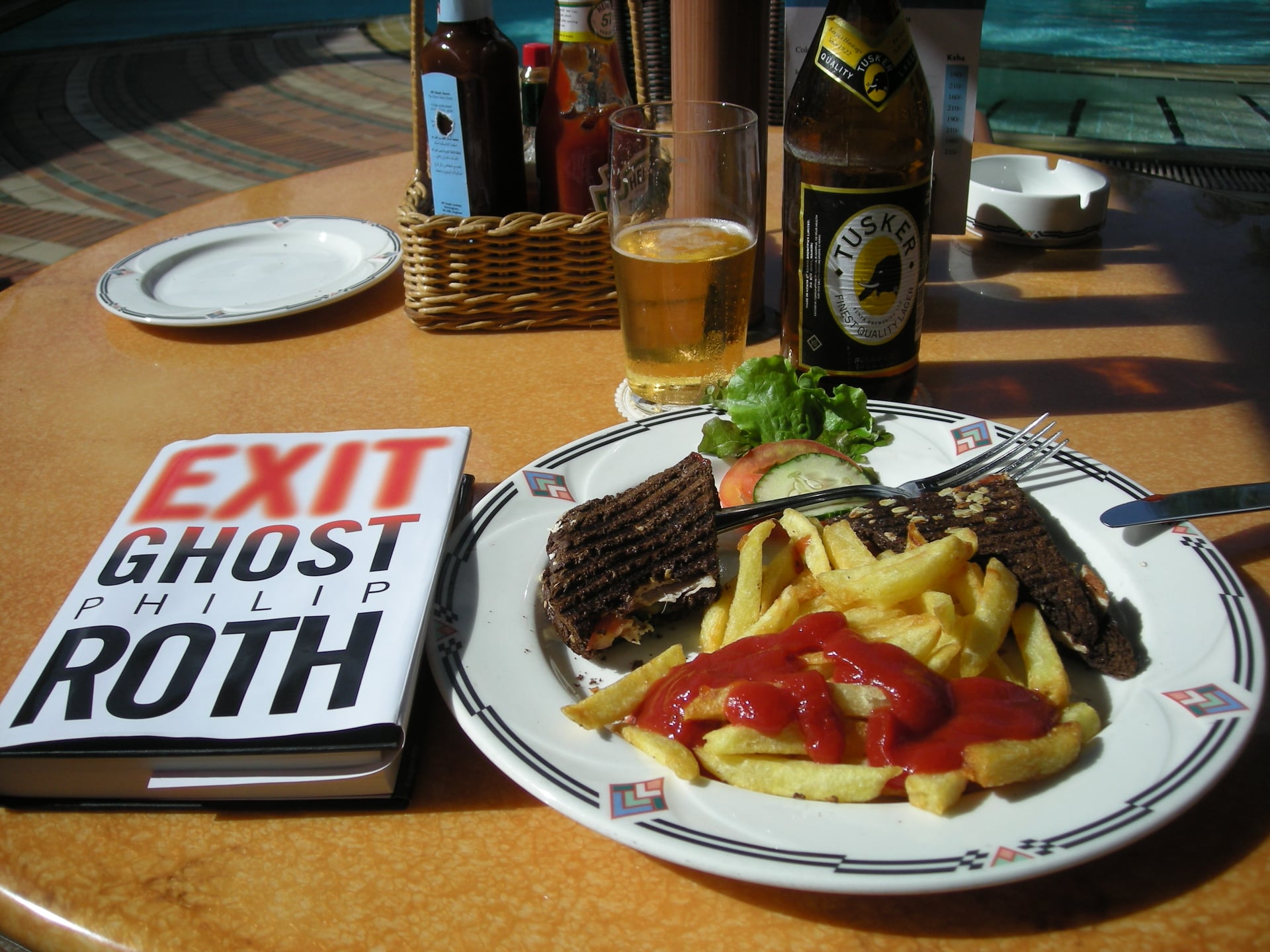
There are some uncanny similarities between the character Lonof in Philip Roth’s Ghost Writer and me. Of course, his characters are largely based on his own life, so that is to say there are some eerie similarities between Roth and me. That is why I think he resonates so strongly with me. Of course, I don’t presume to have his talent or intellect, but there are similarities, nonetheless. Here are a few.
“I crossed the river to New Jersey three days a week.” I, too, crossed the river to New Jersey every week to go to work in South Jersey when I lived in Philadelphia.
“At eight each morning, our crew was driven to some New Jersey mill town to sell magazine subscriptions door to door.” I did the same thing, but in Kentucky.
“The problem with Santa Claus.” I had a similar experience. I suppose many of us did, but it is the first time I saw it described in a novel.
“…Berkshires…Tanglewood.” I lived in the Berkshires when I was 15, and I have been to Tanglewood many times.
“I turn sentences around. That is my life.” Me too.
“I always read books with pen in hand…my attention is not n what’s in front of me.” I always read with a pencil.
“I have the evening’s reading still ahead of me. Without my reading, I am not myself.” Neither am I.
In the quiet corners of everyday life, ordinary people often find themselves immortalized in ways they never imagined—through the viewfinder of a photographer or the ink of a writer’s pen. Whether captured candidly in a photograph or reimagined as a character in a story, these individuals unknowingly lend their lives to art. They become more than just passersby or background figures; they transform into muses, metaphors, and living echoes of human experience.
For photographers, the world is a living gallery of moments waiting to be captured. A weathered man sitting on a park bench, the way light dances across a child’s laughing face, or the tension etched into the shoulders of a woman walking alone—each scene is a potential story. Often, the subject has no idea that they have just stepped into the pages of a visual playbook. Their gestures, expressions, and the energy they radiate become a part of something greater—a reflection of mood, culture, or emotion. The photograph freezes their reality and elevates it into art.
Writers, on the other hand, weave people into narrative form. A conversation overheard on a train, a barista’s nervous smile, or an old friend’s resilience in grief—these fragments of life often become seeds of inspiration. The people we meet or merely observe become the blueprints for characters, sometimes in exact likeness, sometimes stitched together from multiple souls. Writers borrow bits of reality to create fiction that feels true. In doing so, they honor the people who left a mark, however briefly.
But this transformation from real life into art raises questions of representation and authenticity. Do we owe something to the people who unknowingly inspire us? Can we ever truly separate observation from invention? Photographers and writers alike walk this fine line, striving to capture truth while also interpreting it through their own lens of feeling and intent.
There is something sacred in this quiet transaction between life and art. Most people will never know they’ve been captured in a fleeting frame or mirrored in a fictional life. But perhaps that is part of the beauty. Their existence, however small in the context of a wider story, becomes part of a legacy—proof that the ordinary is worth remembering. They live on not as anonymous figures, but as meaningful presences in someone else’s vision.
Ultimately, art imitates life not just in grand gestures, but in the subtle details of everyday existence. The people we pass on sidewalks, sit beside in waiting rooms, or share a moment of silence with in elevators—these are the characters of our collective narrative. Photographers and writers are merely the witnesses, the translators. And through their work, these real lives continue to speak.
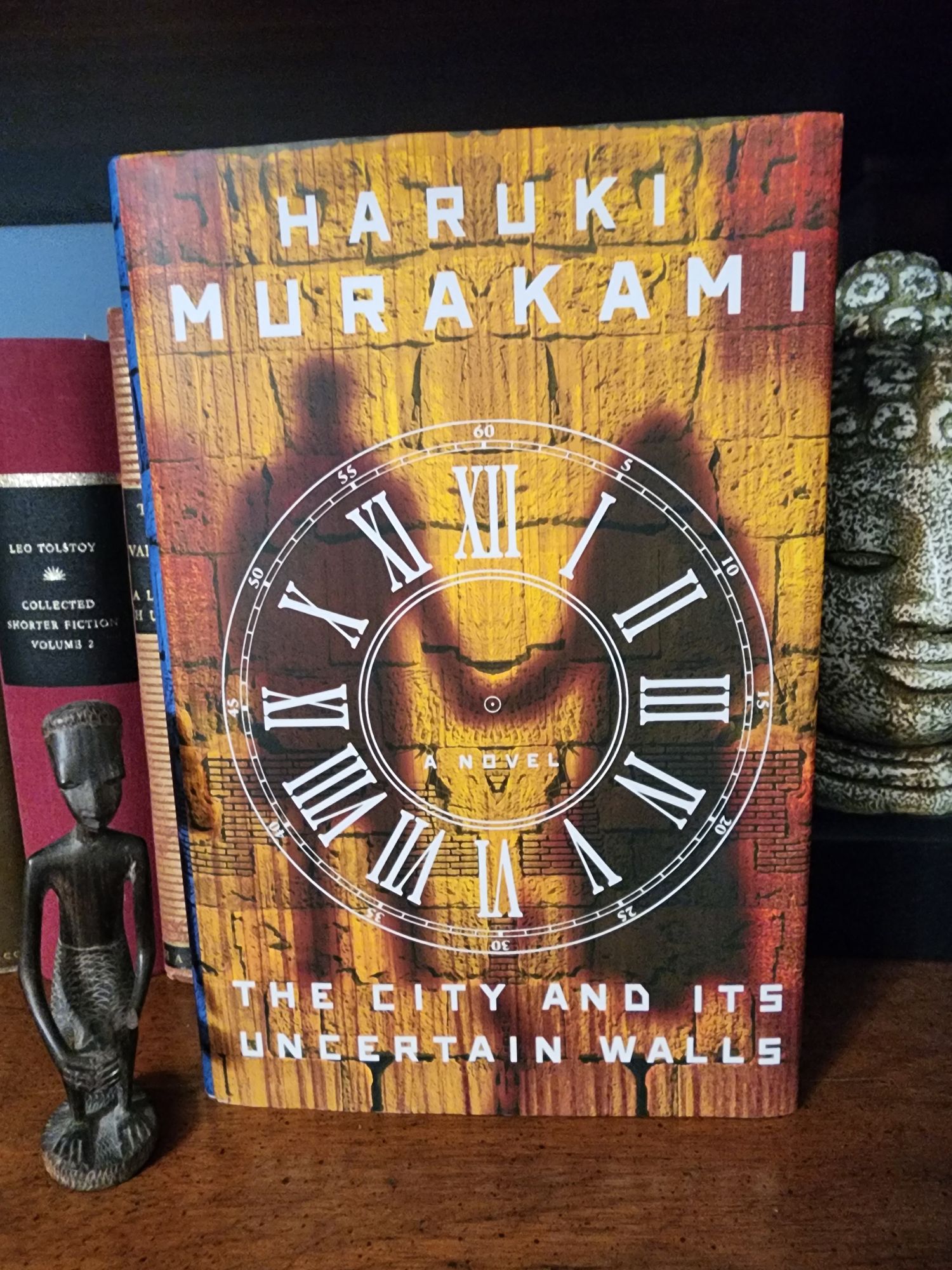
“The City and Its Uncertain Walls” by Haruki Murakami is a richly imagined and thought-provoking narrative that explores the themes of isolation, identity, and the complexities of urban life. This is a take-off from another of his novels, “Hard Boiled Wonderland and the End of the World”. If you drill deeper into the history of this novel, you will find a short story or novella that Murakami wrote early in his career that he was unsatisfied with. I think he may have achieved perfection with this latest iteration.
In this book, Murakami masterfully constructs a labyrinthine cityscape that serves as a mirror to the inner worlds of its inhabitants. The protagonist, whose name remains undisclosed, journeys through this enigmatic urban sprawl, encountering a myriad of characters who each add a layer of complexity to the narrative. Their stories intertwine, creating a tapestry of human experience that is as fragmented as it is compelling.
The protagonist’s quest for meaning and connection is punctuated by encounters with figures such as a reclusive artist, a disillusioned academic, and a mysterious woman who seems to hold the key to the city’s secrets. Each of these individuals grapples with their own existential dilemmas, reflecting the broader themes of isolation and identity that pervade the novel.
Murakami’s prose is both lyrical and haunting, imbuing the city with a sense of melancholy beauty. The walls that encircle the city are not just physical barriers, but also metaphors for the psychological and emotional confines that the characters must confront. The walls seem to be alive and have a life of their own as they change slightly from day to day and represent for me a sense of consciousness. They are interior walls as well.
The novel is essentially a ghost story. We don’t realize this until we are well into the narrative. Murakami is a master of magical realism, and he refers to the magical realism of Gabriel Garcia Marquez in his telling of the tale.
Through the struggles of the various characters, the narrative probes into what it means to seek freedom and understanding in a world that is perpetually uncertain.
Some authors’ voices are missed when absent for a while. Murakami is one such author. I return to him again and again.
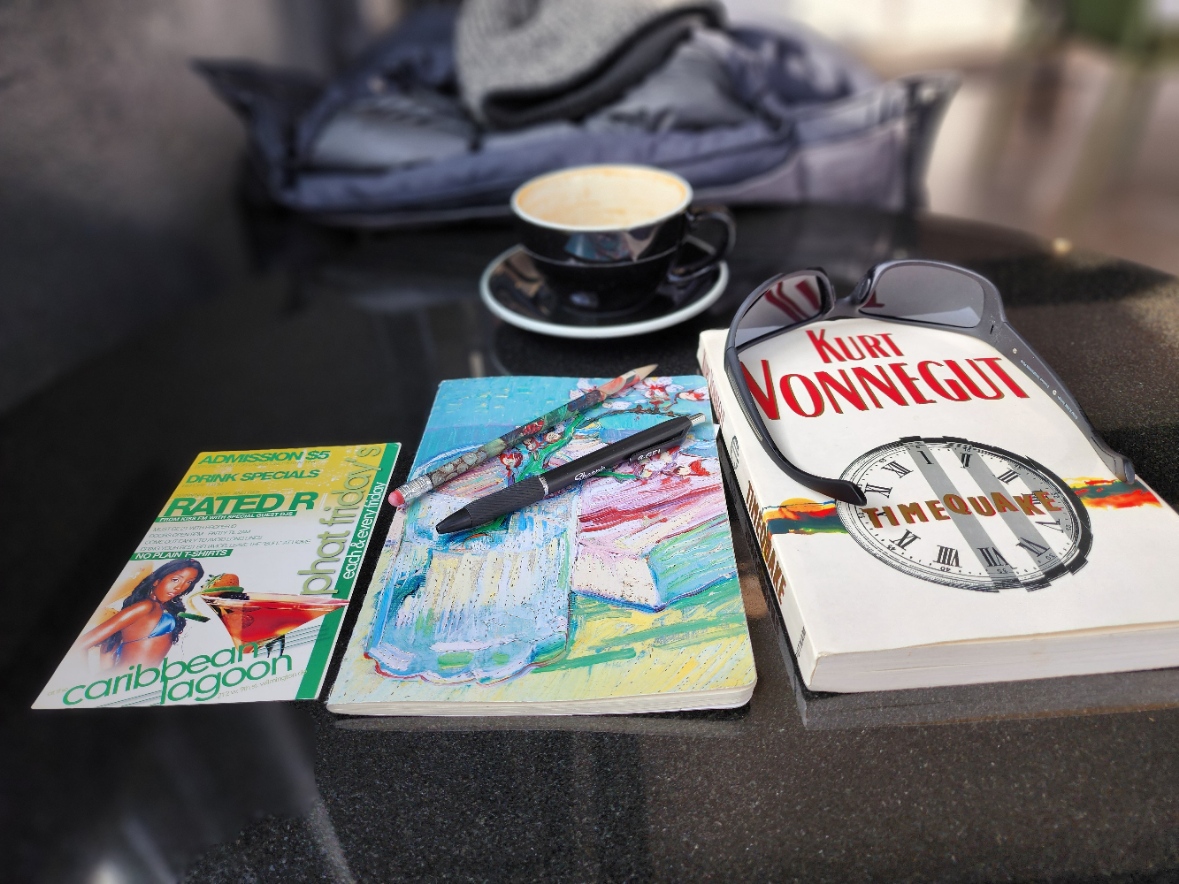
Timequake is a novel about free will. Vonnegut freely intersperses throughout the novel his own stream of consciousness. Oh, and there is also his alter ego, Kilgore Trout, who exclaims, “Oh Lordy, I am much too old experienced to start playing Russian Roulette with free will again.”
The premise of Timequake is that a Timequake, a sudden glitch in the time-space continuum, made everybody and everything do exactly what they’d done during the past decade a second time. It was déjà vu all over again for 10 years. The timeframe Vonnegut chose was February 13, 2001 – February 17, 1991. The Timequake would zapp everyone back in an instant to 1991. They had to “live” their way forward to 2001. Or you might say, back to the future again. Only when people got back to 2001 did they stop being robots of their past. Kilgore Trout would say, “Only when free will kicked in could they stop running an obstacle course of their own construction.” Free will. That is what the novel is about. Do we have it or not? That is the question. You would think that because the author mentions “when free will kicks back in” some 20-odd times he was arguing for free will. But no! Not so fast! I’m not so sure.
Other pithy comments by Kilgore Trout would include, “If brains were dynamite, there wouldn’t be enough to blow your hat off!” and “Ting-a-ling, you son of a bitch!” which is the punch line to a variation on a joke having to do with Chinese doorbells.
So, it goes.
Vonnegut goes on to say, in his own peculiar voice, that writers of his generation had reason to be optimistic because of things like the Magna Carter, the Declaration of Independence, the Bill of Rights, The Emancipation Proclamation, and Article XIX of the Constitution giving women the right to vote. He advocated for two more amendments that he would like to add: Article XXIII: Every newborn shall be sincerely welcomed and cared for until maturity. And Article XXIX: Every adult who needs it shall be given meaningful work to do at a living wage.
Another pithy saying he was fond of throwing around was, “I never asked to be born in the first place!”
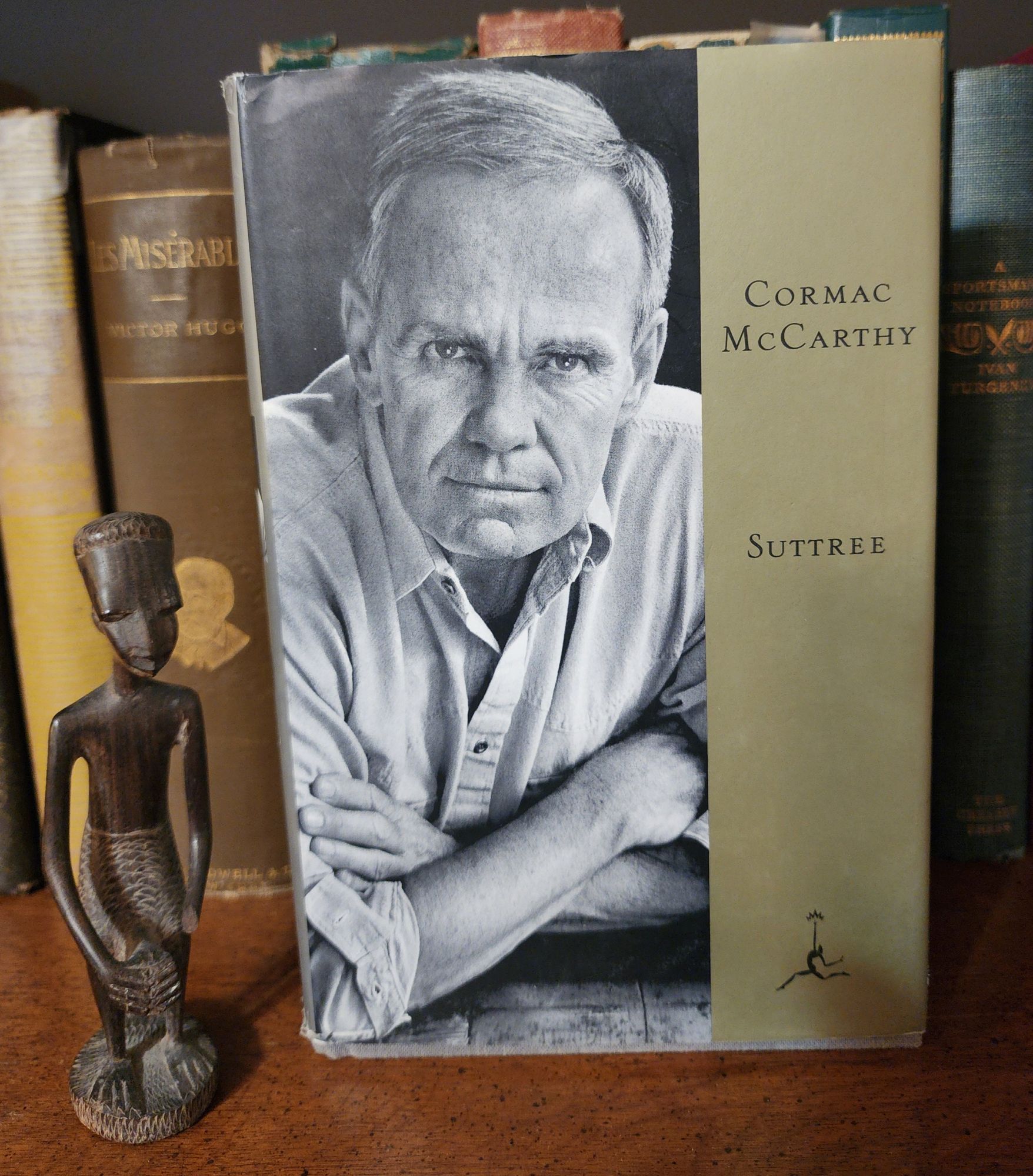
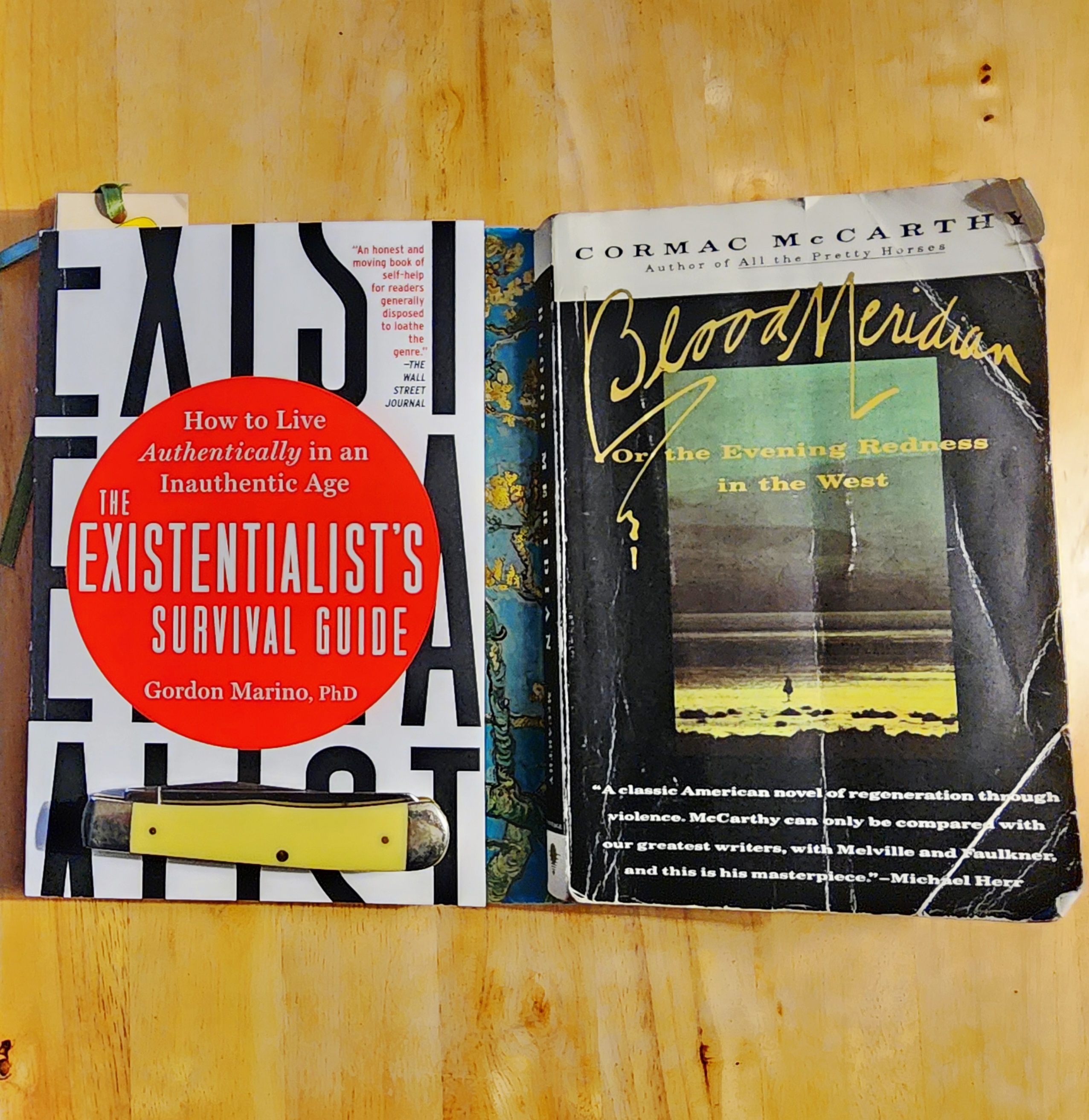
I read 34 books in 2024, some for the second time, like The Old Man and the Sea and The Lady in the Lake. I also read a lot of plays. I like to read plays because I can Imagine the actors’ actions when they play their parts upon the stage. Also, I am writing a couple of plays, and the best way to learn how to write a play is to read a lot of plays. Here is my list of my top 10 books in no special order. However, if I had to pick a favorite it would be Suttree, by Cormac McCarthy—happy reading to all who read in 2025.
Reading Philip Roth is like eating Indian food. You have to have a taste for it, and I confess I have a passion for both. I just finished reading Deception and found it to be by turns clever and brilliant. I think the reason I like Roth so much is that sometimes I think he is writing my story. He cleverly entangles his real life with his fictional life. He mixes Nathan Zuckerman and Philip Roth in a froth of delightful storytelling.
Deception is told in all dialogue, which is not an easy feat in itself. The reader must pay close attention to who is speaking. It details his adulterous affair with a British woman while he is temporarily living in England. He is concerned that his wife might find out and take pains to keep their liaison a secret. The British woman is also married. He intertwines this story with encounters with other women including his wife who discovers his notebook and accuses him of having an affair which he denies, and therein ensues a hilarious argument about how the affair is in his imagination and the notes are for a book that he is writing. One may ask, who is he deceiving, his wife or the rest of us? The scene reminded me of a similar incident that happened to me a while back. I also keep a notebook and one day my partner at the time happened to pick it up and read it while I was out. We had the biggest fight of our relationship over what she read in that notebook! It was over soon after that.
The novel Deception is Philip Roth at his best. Highly recommend!
Production of the Glass Menagerie at the Laura Peles Theatre. NYC 2010 Photo by the authorThe Glass Menagerie Starring Judith Ivy Photo by the author
In a conversation with my granddaughter, Summer, who just turned 28, a magical number by any stretch, she was telling me about a book she found at the Fat Rabbit. Now, I am a sucker for used bookstores myself, and I was infected by her enthusiasm. The book she so proudly declaimed as she pulled it from her bookbag was Tennessee Williams’, The Glass Menagerie. Imagine my surprise and happiness. The Glass Menagerie I told her is one of my favorite plays of all time. Hers too, as it turns out. I said, “You know, I have always been in love with long distance.” “I know, Big Daddy,” she shyly answered, not realizing it was a line from the play. I was lucky enough to see a production of it on Broadway a few years ago in New York. It was a wonderful production. It hit me later that the Birthday card I had given her had an image of a unicorn on it. The central symbol of the play. One of Laura’s glass animals was a unicorn representing her fragility. That gave me a chill as another moment of synchronicity had arrived. It made me happy to see Summer so excited to embrace for the first time a piece of theatre that I loved and knew so well.