The film’s title is taken from a 1969 statement from the revolutionary political group The Weather Underground that was published in an issue of New Left Notes, a left-wing periodical from the Students for a Democratic Society. The statement read: “From here on out, it’s one battle after another – with white youth joining in the fight and taking the necessary risks. Pig Amerika beware. There’s an army growing in your guts and it’s going to bring you down.” The first and last sentences of this statement are both used in dialogue in the first act of the film.
This is the film we need to see now. A revolution is coming to America, and it won’t be pretty. Paul Thomas Anderson has taken a book that was written by Thomas Pynchon and created a masterpiece of the cinema. The acting, writing, and direction are all superb. The cast includes three Academy Award winners: Leonardo DiCaprio, Sean Penn, and Benicio Del Toro. The movie has a Tarantino-esque quality to it, and it pays homage to the movie Bullitt, starring Steve McQueen, featuring one of the most exciting chase scenes I’ve seen since 1968, featuring a Mustang pursuing a Charger in bright California sunlight with cinematic elevation changes.
If you care about anything about movies or America, go see this movie now!
According to Buddhism, the 10 non-virtues are: Killing, stealing, sexual misconduct, lying, divisive talk, harsh speech, senseless chatter, covetousness, harmful intent, and wrong views. Donald Trump embodies all these traits. A great evil has settled across the land, and America has lost her way. We must climb out of these lower depths and find our way again. New leaders must rise up and lead us out of the wilderness before it is too late.
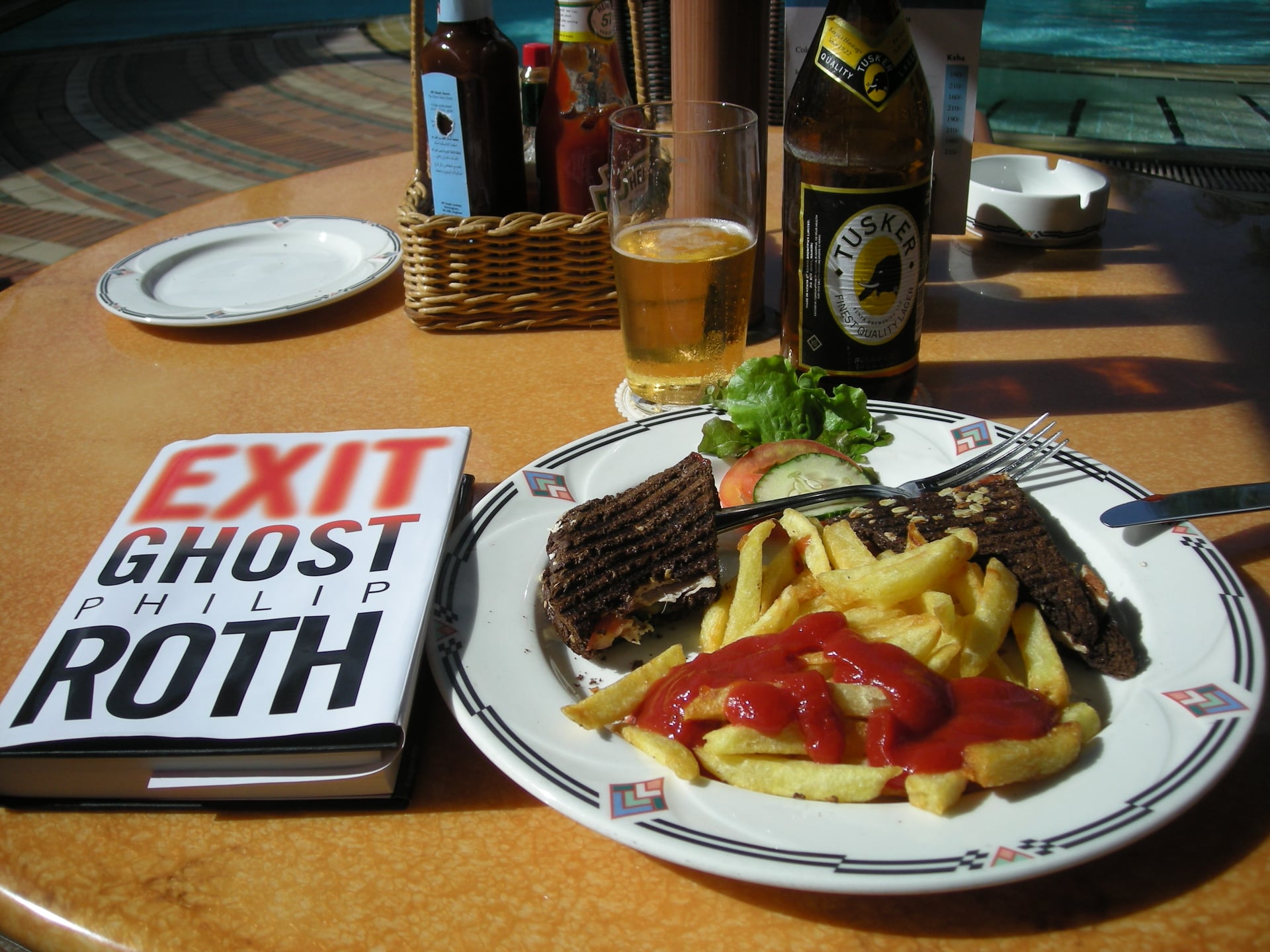
There are some uncanny similarities between the character Lonof in Philip Roth’s Ghost Writer and me. Of course, his characters are largely based on his own life, so that is to say there are some eerie similarities between Roth and me. That is why I think he resonates so strongly with me. Of course, I don’t presume to have his talent or intellect, but there are similarities, nonetheless. Here are a few.
“I crossed the river to New Jersey three days a week.” I, too, crossed the river to New Jersey every week to go to work in South Jersey when I lived in Philadelphia.
“At eight each morning, our crew was driven to some New Jersey mill town to sell magazine subscriptions door to door.” I did the same thing, but in Kentucky.
“The problem with Santa Claus.” I had a similar experience. I suppose many of us did, but it is the first time I saw it described in a novel.
“…Berkshires…Tanglewood.” I lived in the Berkshires when I was 15, and I have been to Tanglewood many times.
“I turn sentences around. That is my life.” Me too.
“I always read books with pen in hand…my attention is not n what’s in front of me.” I always read with a pencil.
“I have the evening’s reading still ahead of me. Without my reading, I am not myself.” Neither am I.
The Journey and Achievements of a Contemporary Blues Artist
Introduction
Samantha Fish, a name that has become synonymous with modern blues, is an American guitarist, singer, and songwriter who has taken the music world by storm with her electrifying performances and soul-stirring compositions. Born on January 30, 1989, in Kansas City, Missouri, Fish has carved out a niche for herself in the blues genre, blending traditional sounds with a contemporary twist.
Early Life and Musical Beginnings
Fish grew up in a musical family, with her mother playing piano and her father occasionally strumming the guitar. Her passion for music was ignited at a young age, and by the time she was 15, she had started playing the guitar seriously. Inspired by the likes of Stevie Ray Vaughan, Bonnie Raitt, and Sheryl Crow, Fish immersed herself in the blues and honed her craft through relentless practice and performances.
Career Breakthrough
Fish’s big break came in 2009 when she recorded her debut album, “Live Bait,” which showcased her raw talent and potential. Her follow-up album, “Runaway,” released in 2011, earned her the Blues Music Award for Best New Artist in 2012. This accolade was a testament to her prowess and marked the beginning of her rise to fame.
Signature Style and Musical Evolution
Fish’s music is characterized by her powerful vocals, intricate guitar work, and a unique blend of blues, rock, and Americana. She is known for her ability to convey deep emotions through her music, whether it’s the heartache of a slow blues ballad or the fierce energy of a rock-infused anthem. Over the years, Fish has continued to evolve her sound, experimenting with different genres and pushing the boundaries of traditional blues.
Notable Albums and Collaborations
Throughout her career, Fish has released several critically acclaimed albums, each showcasing her growth as an artist. Some of her notable works include:
Black Wind Howlin’ (2013)
Wild Heart (2015)
Chills & Fever (2017)
Belle of the West (2017)
Kill or Be Kind (2019)
Faster (2021)
Fish has also collaborated with various artists and bands, further enriching her musical repertoire. Her collaborations include working with Mike Zito, Ruf Records, and Buddy Guy, to name a few.
Live Performances and Tours
One of Fish’s defining aspects is her dynamic live performances. Known for her electrifying stage presence, she has captivated audiences worldwide with her energy and passion. Fish has toured extensively, performing at renowned venues and festivals such as the Montreux Jazz Festival, the Chicago Blues Festival, and the Byron Bay Bluesfest. Her live shows are a testament to her dedication to her craft and her ability to connect with her audience.
Awards and Recognition
Fish’s talent has not gone unnoticed, and she has garnered several awards and recognitions throughout her career. In addition to the Blues Music Award for Best New Artist, she has received nominations and awards for her albums and performances, solidifying her status as a leading figure in the blues genre.
Influence and Legacy
Samantha Fish’s influence extends beyond her music. She has become a role model for aspiring musicians, particularly women in the blues and rock genres. Fish’s determination, creativity, and relentless pursuit of excellence serve as an inspiration to many. Her legacy is one of innovation and passion, and she continues to shape the future of blues music.
Conclusion
Samantha Fish is a modern blues sensation whose journey from a young aspiring musician to a celebrated artist is a testament to her talent and hard work. Her contributions to the blues genre, characterized by her distinctive style and emotional depth, have earned her a special place in the hearts of music lovers. As Fish continues to evolve and create, her impact on the music world remains profound, and her future shines brightly with promise.
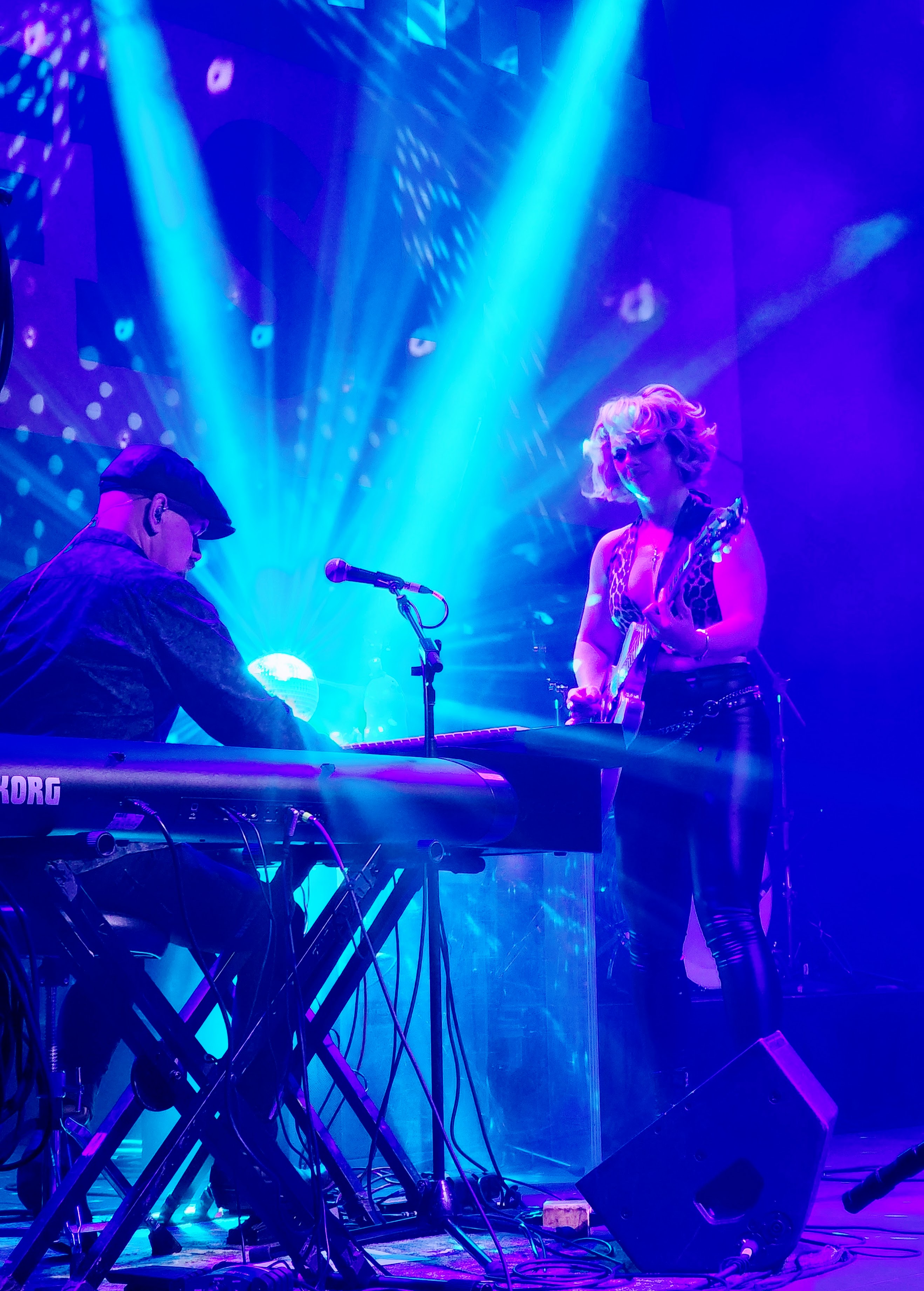
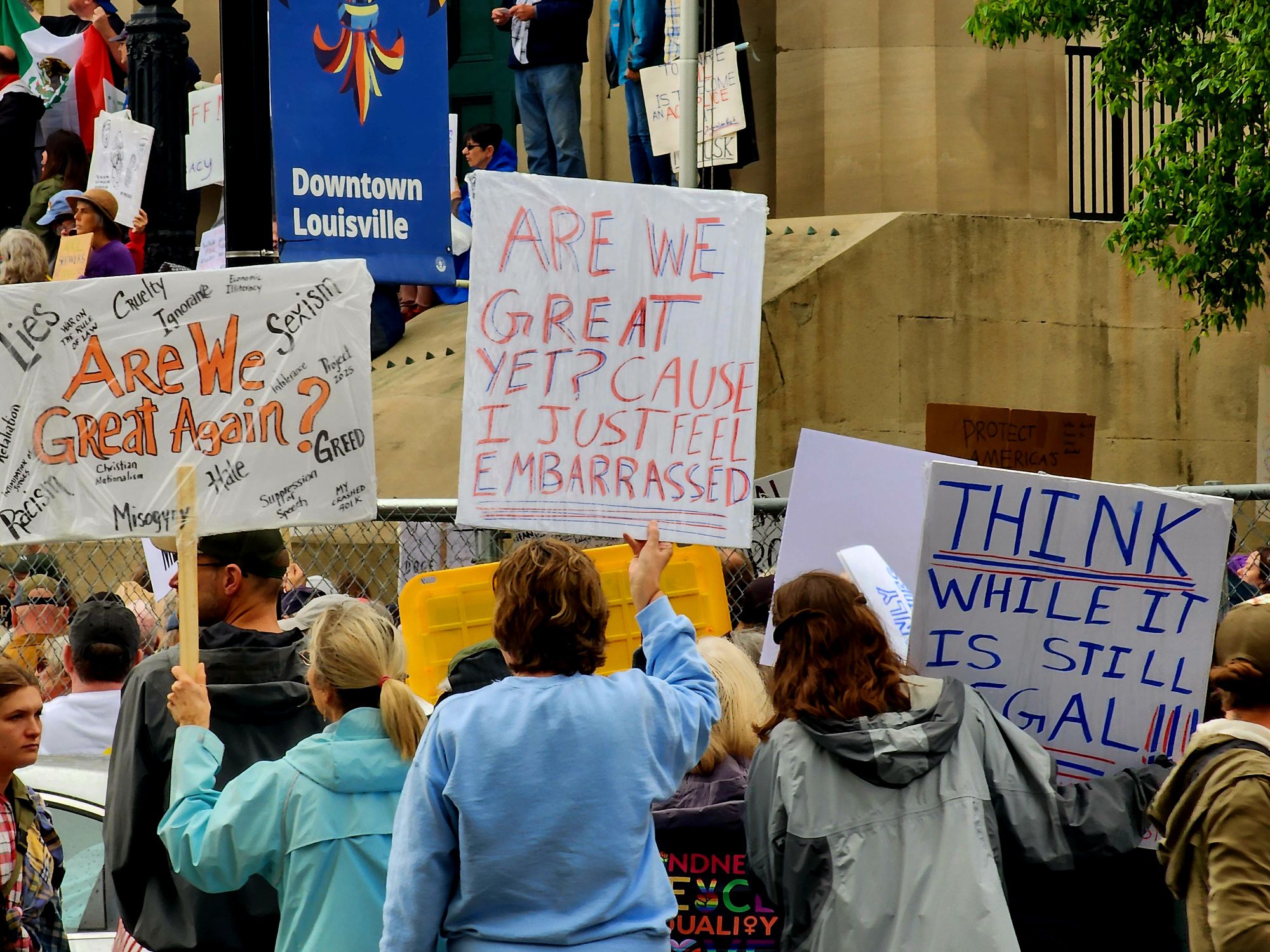
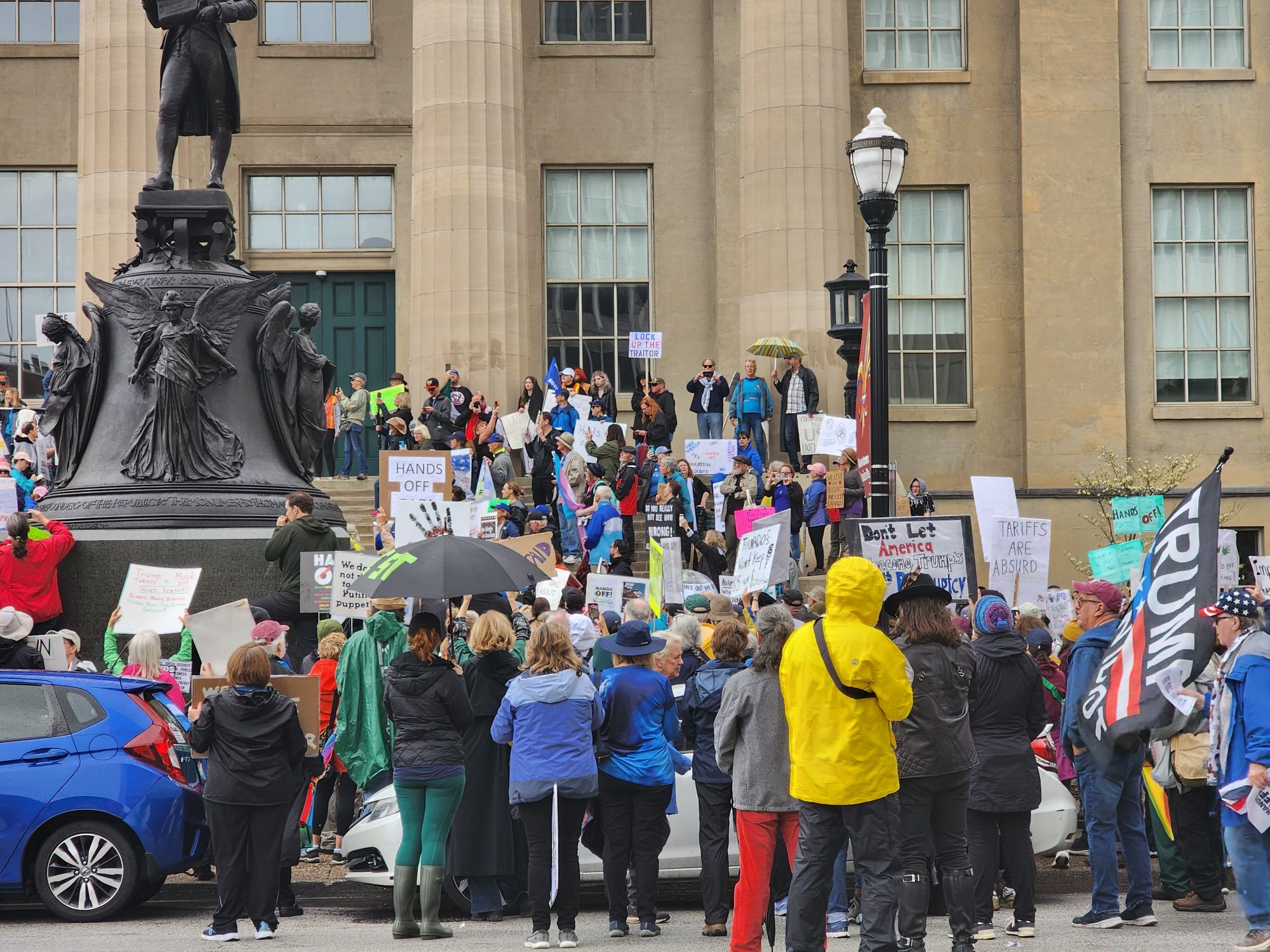
All pictures were taken by Benn Bell at the Mercury Ballroom in Louisville, Kentucky May 6, 2025.
In the quiet corners of everyday life, ordinary people often find themselves immortalized in ways they never imagined—through the viewfinder of a photographer or the ink of a writer’s pen. Whether captured candidly in a photograph or reimagined as a character in a story, these individuals unknowingly lend their lives to art. They become more than just passersby or background figures; they transform into muses, metaphors, and living echoes of human experience.
For photographers, the world is a living gallery of moments waiting to be captured. A weathered man sitting on a park bench, the way light dances across a child’s laughing face, or the tension etched into the shoulders of a woman walking alone—each scene is a potential story. Often, the subject has no idea that they have just stepped into the pages of a visual playbook. Their gestures, expressions, and the energy they radiate become a part of something greater—a reflection of mood, culture, or emotion. The photograph freezes their reality and elevates it into art.
Writers, on the other hand, weave people into narrative form. A conversation overheard on a train, a barista’s nervous smile, or an old friend’s resilience in grief—these fragments of life often become seeds of inspiration. The people we meet or merely observe become the blueprints for characters, sometimes in exact likeness, sometimes stitched together from multiple souls. Writers borrow bits of reality to create fiction that feels true. In doing so, they honor the people who left a mark, however briefly.
But this transformation from real life into art raises questions of representation and authenticity. Do we owe something to the people who unknowingly inspire us? Can we ever truly separate observation from invention? Photographers and writers alike walk this fine line, striving to capture truth while also interpreting it through their own lens of feeling and intent.
There is something sacred in this quiet transaction between life and art. Most people will never know they’ve been captured in a fleeting frame or mirrored in a fictional life. But perhaps that is part of the beauty. Their existence, however small in the context of a wider story, becomes part of a legacy—proof that the ordinary is worth remembering. They live on not as anonymous figures, but as meaningful presences in someone else’s vision.
Ultimately, art imitates life not just in grand gestures, but in the subtle details of everyday existence. The people we pass on sidewalks, sit beside in waiting rooms, or share a moment of silence with in elevators—these are the characters of our collective narrative. Photographers and writers are merely the witnesses, the translators. And through their work, these real lives continue to speak.
I have been thinking a lot lately about the hard problem, consciousness. I have been reading about it, watching videos, and listening to podcasts. Recently, I listened to a podcast with Annaka Harris and her husband, Sam Harris. First off, I didn’t know they were married. That was a pleasant surprise. I had previously watched a video with her on Big Think where she talked about consciousness as a “felt” experience. This has given me a pause. I had always thought of consciousness as an “awareness” of experience. I decided to do a little research. Turns out we were both right, as the following explanation describes it.
Consciousness is both felt and an awareness, depending on how you approach it.
Felt Consciousness (Qualia)
From a subjective, first-person perspective, consciousness is felt—we experience emotions, sensations, and thoughts directly. This is what philosophers call qualia, the raw, subjective feel of experience (e.g., the redness of red, the warmth of sunlight, the taste of coffee). This aspect of consciousness is what makes it deeply personal and difficult to explain purely in physical terms.
Consciousness as Awareness
On the other hand, consciousness is also an awareness, meaning it involves cognition, perception, and the ability to recognize oneself and the environment. This definition aligns with how many neuroscientists and cognitive scientists approach consciousness—as a state of being aware of internal and external experiences. This awareness allows us to think, reflect, and make decisions based on our perceptions.
Blending the Two
While consciousness involves feeling (subjective experience) and awareness (cognitive recognition), the two are deeply intertwined. Some theories suggest that the ability to reflect on our own experiences (metacognition) gives rise to our rich inner life. Others argue that raw feeling, without structured awareness, is still a form of consciousness (as seen in dreams or deep emotions).
So, in essence, consciousness is both felt experience and awareness—two sides of the same phenomenon.
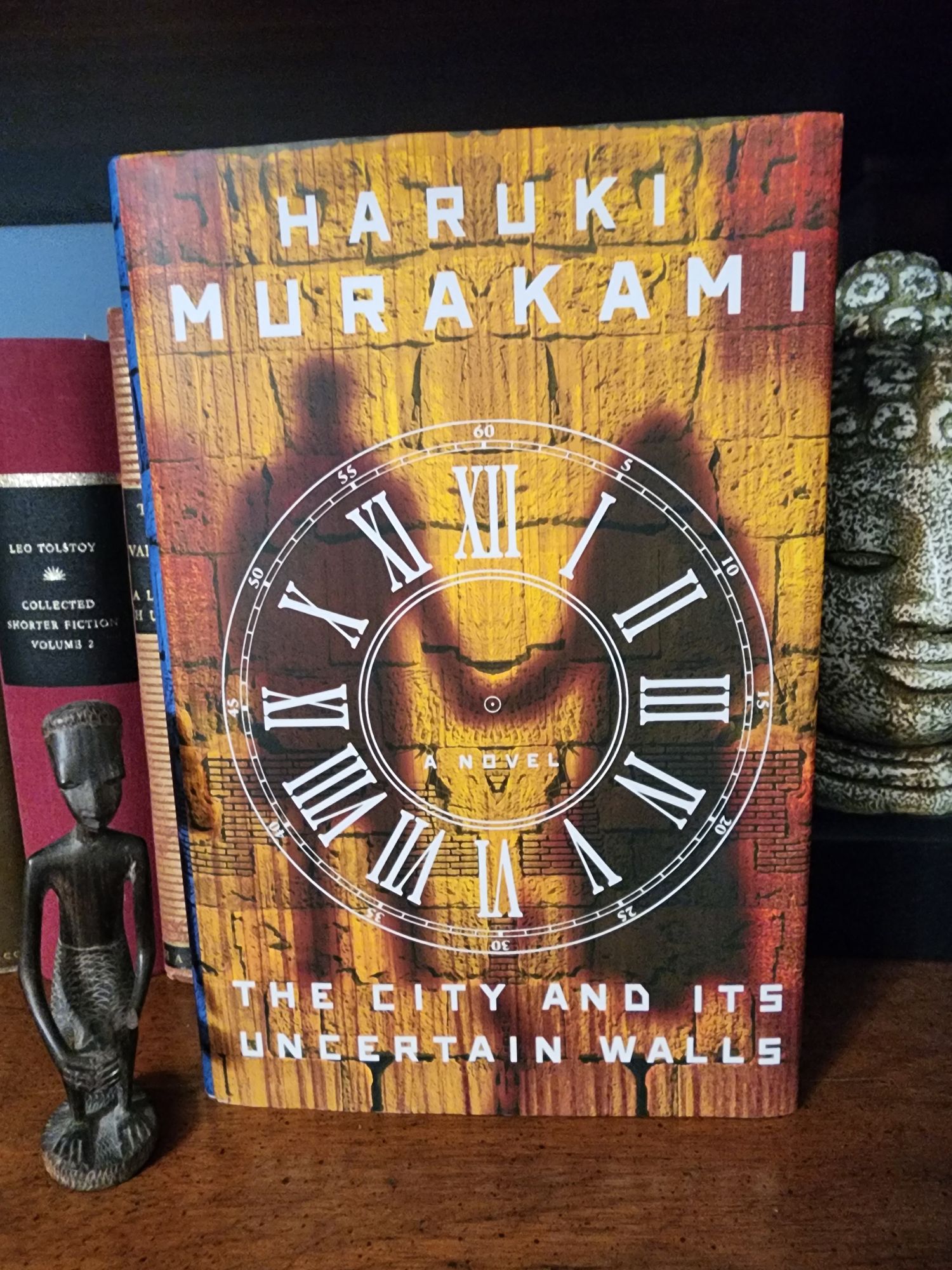
“The City and Its Uncertain Walls” by Haruki Murakami is a richly imagined and thought-provoking narrative that explores the themes of isolation, identity, and the complexities of urban life. This is a take-off from another of his novels, “Hard Boiled Wonderland and the End of the World”. If you drill deeper into the history of this novel, you will find a short story or novella that Murakami wrote early in his career that he was unsatisfied with. I think he may have achieved perfection with this latest iteration.
In this book, Murakami masterfully constructs a labyrinthine cityscape that serves as a mirror to the inner worlds of its inhabitants. The protagonist, whose name remains undisclosed, journeys through this enigmatic urban sprawl, encountering a myriad of characters who each add a layer of complexity to the narrative. Their stories intertwine, creating a tapestry of human experience that is as fragmented as it is compelling.
The protagonist’s quest for meaning and connection is punctuated by encounters with figures such as a reclusive artist, a disillusioned academic, and a mysterious woman who seems to hold the key to the city’s secrets. Each of these individuals grapples with their own existential dilemmas, reflecting the broader themes of isolation and identity that pervade the novel.
Murakami’s prose is both lyrical and haunting, imbuing the city with a sense of melancholy beauty. The walls that encircle the city are not just physical barriers, but also metaphors for the psychological and emotional confines that the characters must confront. The walls seem to be alive and have a life of their own as they change slightly from day to day and represent for me a sense of consciousness. They are interior walls as well.
The novel is essentially a ghost story. We don’t realize this until we are well into the narrative. Murakami is a master of magical realism, and he refers to the magical realism of Gabriel Garcia Marquez in his telling of the tale.
Through the struggles of the various characters, the narrative probes into what it means to seek freedom and understanding in a world that is perpetually uncertain.
Some authors’ voices are missed when absent for a while. Murakami is one such author. I return to him again and again.




















 Ghost Dog