Exit Ghost

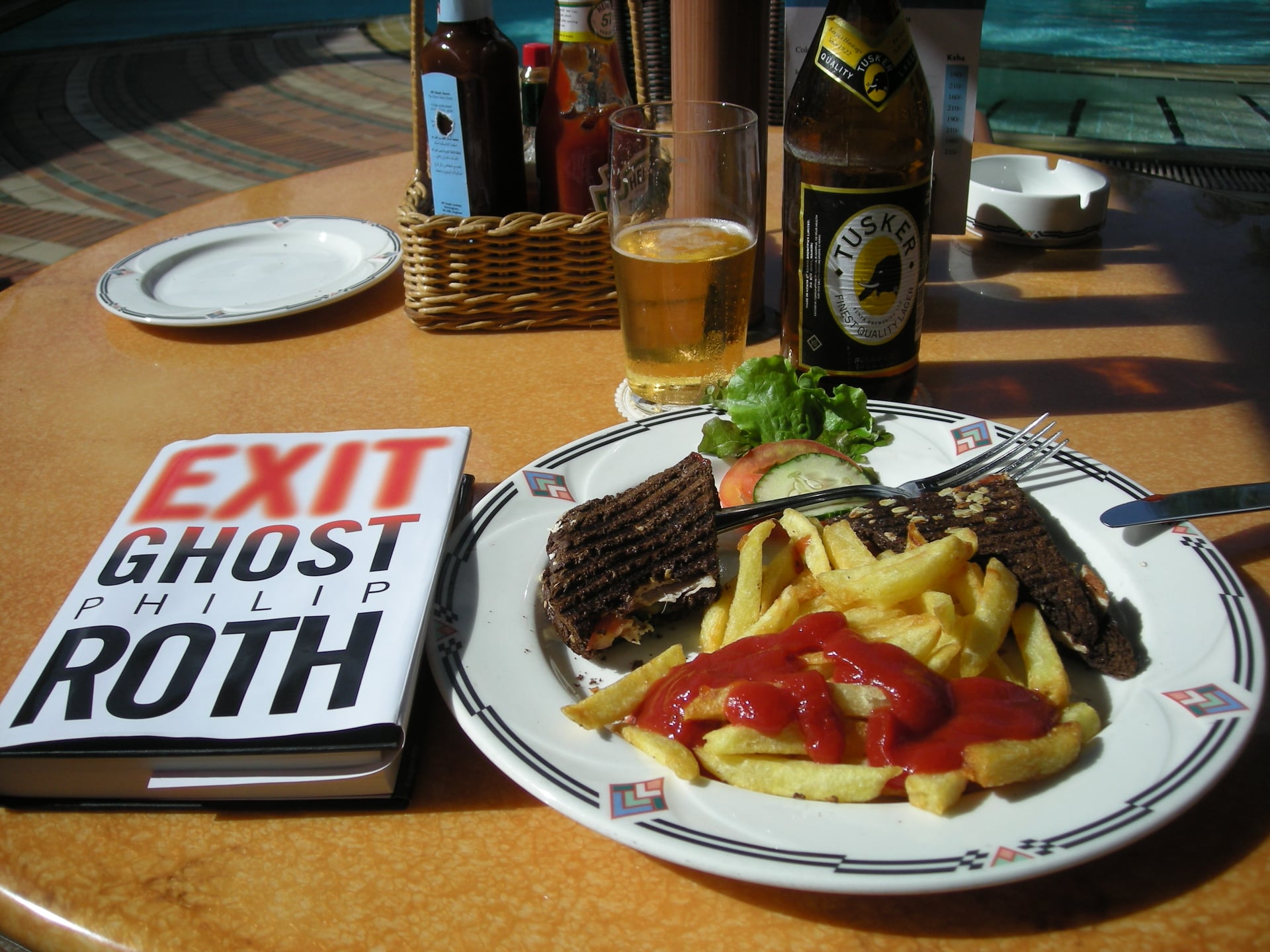
Book Notes: The Ghost Writer by Philip Roth

There are some uncanny similarities between the character Lonof in Philip Roth’s Ghost Writer and me. Of course, his characters are largely based on his own life, so that is to say there are some eerie similarities between Roth and me. That is why I think he resonates so strongly with me. Of course, I don’t presume to have his talent or intellect, but there are similarities, nonetheless. Here are a few.

  1. “I crossed the river to New Jersey three days a week.”  I, too, crossed the river to New Jersey every week to go to work in South Jersey when I lived in Philadelphia.
  2. “At eight each morning, our crew was driven to some New Jersey mill town to sell magazine subscriptions door to door.” I did the same thing, but in Kentucky.
  3. “The problem with Santa Claus.” I had a similar experience. I suppose many of us did, but it is the first time I saw it described in a novel.
  4. “…Berkshires…Tanglewood.” I lived in the Berkshires when I was 15, and I have been to Tanglewood many times.
  5. “I turn sentences around. That is my life.” Me too.
  6. “I always read books with pen in hand…my attention is not n what’s in front of me.” I always read with a pencil.
  7. “I have the evening’s reading still ahead of me. Without my reading, I am not myself.” Neither am I.

Top 10 Books 2024

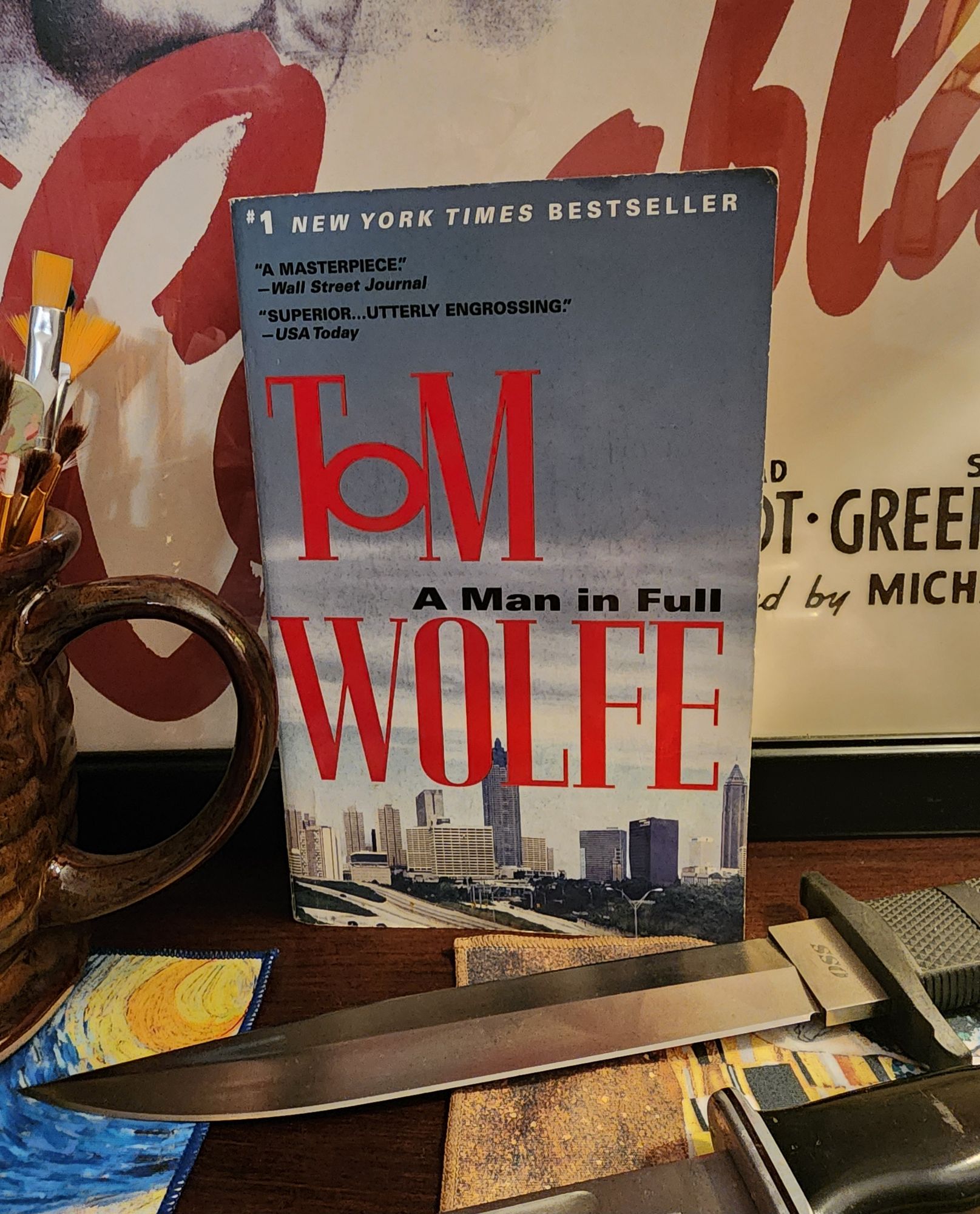
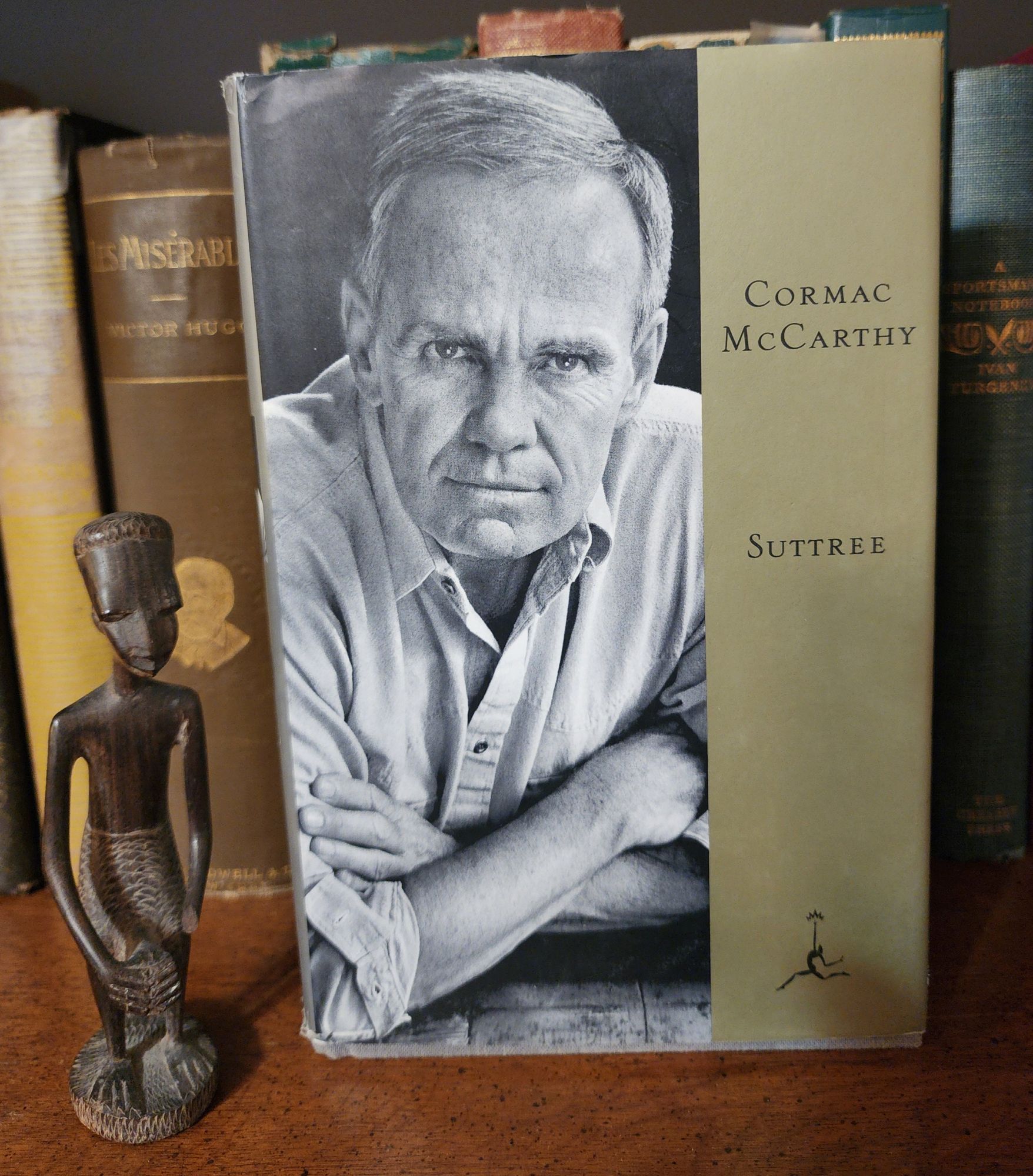
I read 34 books in 2024, some for the second time, like The Old Man and the Sea and The Lady in the Lake. I also read a lot of plays. I like to read plays because I can Imagine the actors’ actions when they play their parts upon the stage. Also, I am writing a couple of plays, and the best way to learn how to write a play is to read a lot of plays. Here is my list of my top 10 books in no special order. However, if I had to pick a favorite it would be Suttree, by Cormac McCarthy—happy reading to all who read in 2025.

  1. The Dragon Country – Tennessee Williams
  2. The Lady in the Lake – Raymond Chandler
  3. Suttree – Cormac McCarthy
  4. The Old Man and the Sea – Ernest Hemingway
  5. The Bluest Eye – Toni Morrison
  6. The Sunset Limited – Cormac McCarthy
  7. Rhinoceros – Eugene Ionesco
  8. The Savage Detectives – Roberto Bolano
  9. Hollywood – Charles Bukowski
  10. Deception – Philip Roth

TILTING AT WINDMILLS

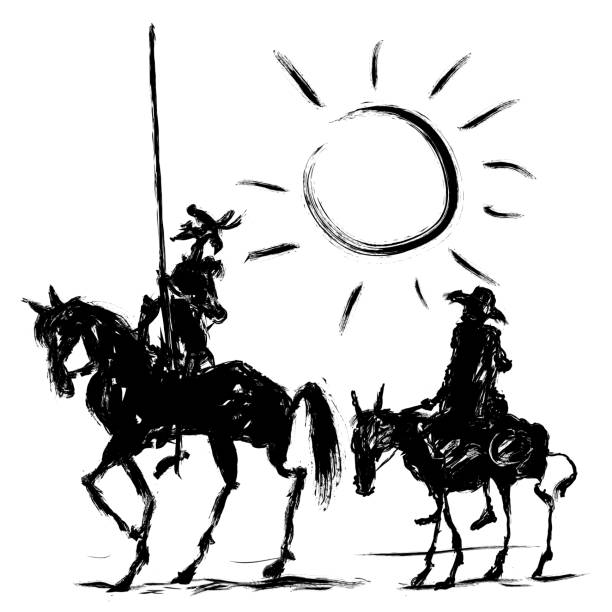
I am reading Don Quixote by Cervantes. It is quite a hoot. But, it is not an easy read. It’s like reading a foreign language. As a matter of fact, it is a foreign language: Spanish. Old Spanish translated into English. If you squint your eyes and hold your nose just right, you can almost tease out the meaning. It turns out the Don is quite insane—crazy as 9 loons, as they say. He is always tilting at windmills and at every Inn he passes by on the road he thinks it is a Castle holding a damsel in distress who needs rescuing since he is a knight errant of the “ill-favored face” and that his quest is to follow that dream. Halfway through the book he meets another band of wanderers who spin quite a tale of their own about a cat named Anselmo and his friend Lothario whom he entreats to test his wife’s fidelity. What could go wrong? Sancho Panza rides along with the Don on his ass for companionship and to provide comic relief.

When I was a young man working as a factotum at the rubber factory in Rubbertown, one of my co-workers used to refer to me as, “That Don Quixote-looking motherfucker!”

“Why do you call me that, Ernie?” I asked.

“Because you wear a beard, and you sort of look like him, and you are always tilting at windmills.”

I took it as a compliment.

Fatwa!

Photo by the author

There is so much going on these days that one feels whipsawed by the turn of events. While I don’t comment on everything, even though it is tempting, I feel that I would be remiss not to comment on the recent savage stabbing of author Salman Rushdie. In 1989 Iranian Supreme Leader Ayatollah Khomeini issued a fatwa against the famed author for alleged apostasy in his newly released book, “The Satanic Verses.”  A fatwa is a sentence of death and a bounty of several million dollars was placed on Rushdie’s head. I protested then and I protest now, 33 years later. Also involved in the fatwa was anyone associated with the book including editors and publishers. At the time bookstores were afraid to display Rushdie’s books in their store windows. I called them out on their cowardice. I have my copy proudly displayed on my main bookcase in the living room of my home alongside my other “good” books.

To say this was a barbarous act of cowardice on the part of the would-be assassin would be an understatement. It deals a powerful blow to the right of free expression and free speech. It is anathema to our way of life in the free world and puts a chill in the air of artistic freedom. It demonstrates the complete absurdity and insanity of religious fanaticism. I hasten to add that it is a perversion of Islam and does not represent the mainstream which is by far more tolerant.  

I believe in freedom of religion, and I respect everyone’s right to believe what they choose. But you don’t have the right to impose your belief on me or anyone else. You certainly don’t have the right to kill me if I don’t agree with you.

It looks like Mr. Rushie is going to pull through despite his many injuries. For that, I am very grateful and wish him the best and a speedy recovery, although there will be lasting effects from his injuries including the probable loss of an eye.

I condemn this senseless act of violence in the strongest possible way, and I trust his assailant will be held fully accountable. Meanwhile, “The Satanic Verses” is soaring on the charts.

Top 10 Books 2020

I read 28 books in 2020. Here are my top 10 favorites:

  1. 2666 – Robert Bolano
  2. The Follies of God – James Grissom
  3. War and Peace – Leo Tolstoy
  4. The Adventures of Auggie March
  5. The Odyssey – Homer
  6. All Quiet in the Western Front – Erich Maria Remarque
  7. Notes from the Underground – Fyodor Dostoevsky
  8. The Weight of Ink – Rachel Kadish
  9. Tropic of Cancer – Henry Miller
  10.  The Last Carousel – Nelson Algren

THE REBEL

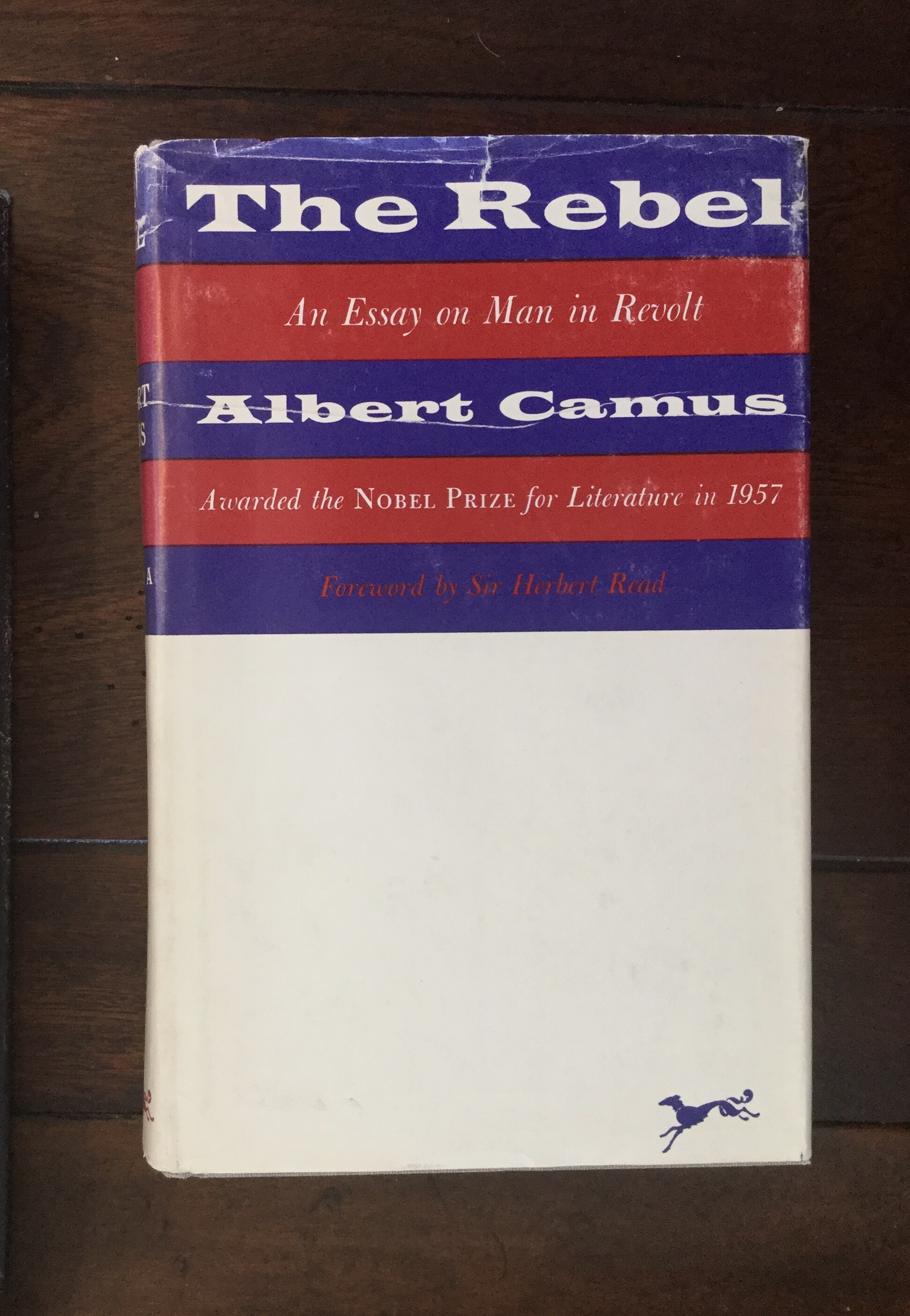
The Rebel – Albert Camus

I’m giving The Rebel another read, a book I read when I was in my 20s, written by a man who has shaped my views more than any other, Albert Camus. You might think that The Plague might be more in order given the current plague we are now living through. Well, I’ve read that one too and it is vividly etched in my brain. But no, for me, given the current political situation in the USA, The Rebel is far more relevant. At no time during my lifetime, with the possible exception of the Vietnam war, has the idea of “man in revolt” been more relevant or more important. Updates to follow. I’ll be reading with new eyes…

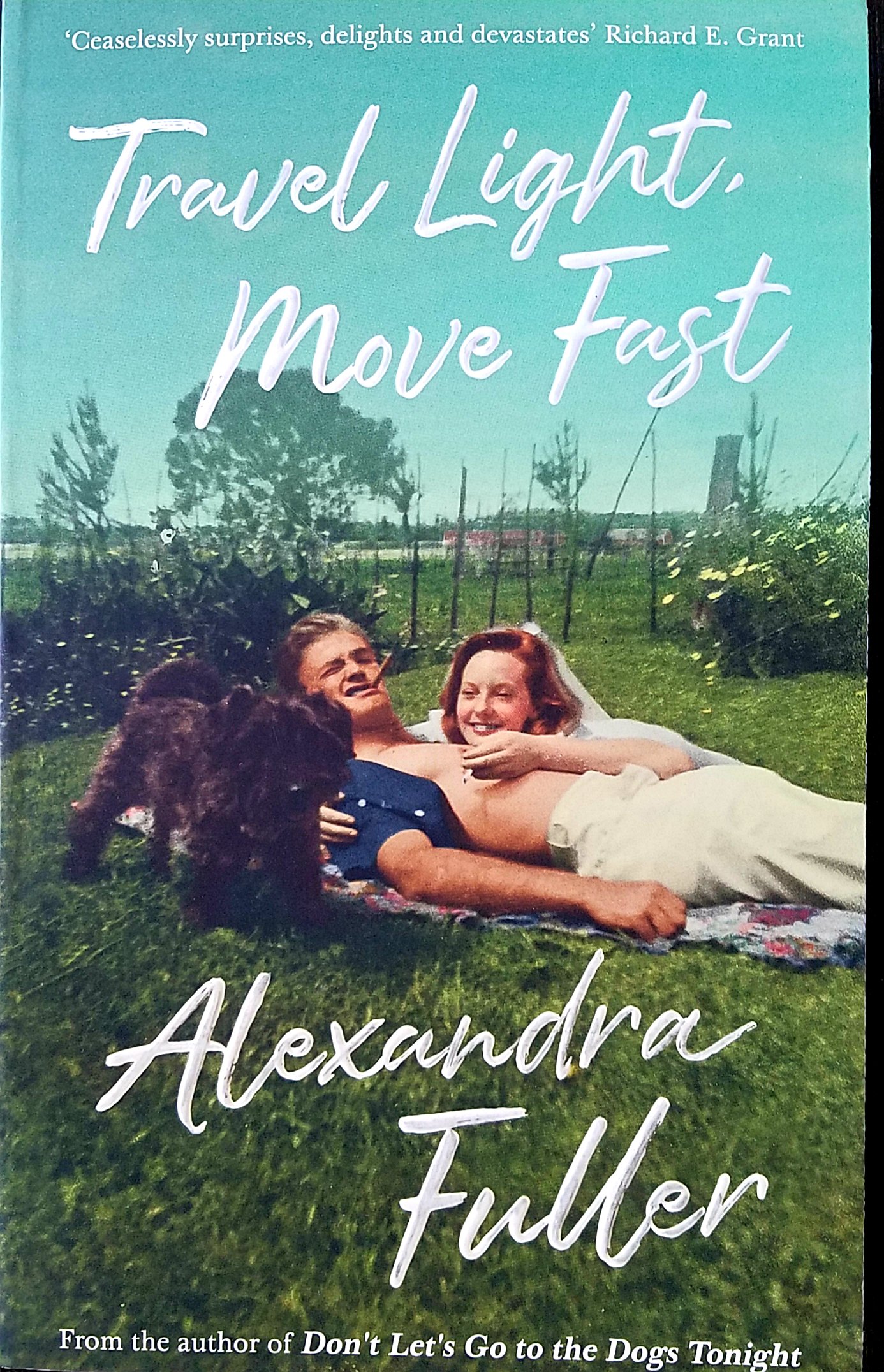
Travel Light, Move Fast

This is the title of Alexandra Fuller’s latest book and my new motto.

wp-15827568331166918549186116784265.jpg

I just received this book in the mail after a long waiting period. It didn’t come from the Amazon Warehouse right around the corner where most books come from. Oh, no, no, no. This book came from a book depository in Jolly Olde England and it took it’s sweet time about arriving here. Some weeks in fact. Well, it was much anticipated and I am sure it will be much loved. I had pre-ordered it as soon as it was available. Not to worry, I am sure I will enjoy it all the more .

This will be the fourth book I have read by Fuller. The first three: Cocktail Hour Under Tree of Forgetfulness, Don’t Let’s go to the Dogs Tonight, and Leaving Before the Rains Come. She is a terrific writer and I can’t wait to get started on this book.

Alexandra was born in England and raised in Africa where she lived until she was in her twenties. She then moved to Wyoming. Her stories of growing up in Africa with her eccentric family are fascinating and endlessly entertaining told by a gifted story teller.

Review to follow.

WORD OF THE DAY – DECIMATE

Kill One in Ten.

Originally from the Latin: decimatio (decem – ten). Historically decimation was a form of military discipline used by senior commanders in the Roman Army to punish units or large groups guilty of capital offences, such as cowardice, mutiny, desertion, and insubordination, and for pacification of rebellious legions.

It has since come to mean to kill, destroy, or remove a large percentage or part of, as “the project would decimate the fragile wetland wilderness.” Or more recently, “the hurricane decimated everything in its path.”

20191002_1518553480171169761590866.jpg

Graham Greene wrote about this concept, in the historical sense, in his novel, The Tenth Man.

A group of Frenchmen were being held hostage in a Gestapo camp. A German officer enters the cell one afternoon and announces that there were three murders in the town last night. He is ordered to shoot one in ten of them in the morning. There are thirty men in the camp, therefore three men must be shot. He doesn’t care who. They choose. They chose by lot. Louis Chavel was the tenth man.

Things get tricky from there, but Greene supplies a heavy dose of irony as the plot unfolds.

Book Notes

The Snows of Kilimanjaro by Ernest Hemingway and Sweet Tooth by Ian McEwan

20190907_092007337551118192970555.jpg

So, I finished one book and started another. I finished The Snows of Kilimanjaro and started Sweet Tooth.

The Snows of Kilimanjaro is a book of short stories by Ernest Hemingway, some I have read before and some of which were new to me and I was reading for the first time. The last story in the collection was The Short Happy Life of Francis Macomber, my favorite Hemingway story and quite possibly my favorite short story of all time. The last time I read this story I was in my 20s. I remember when and where I read it and under what circumstances I was my reading it. It made such a large impression on me. So, these many years later, I read it again with great joy and new eyes. It still made a great impression on me and revived many fond memories. This story taught me at an early age that Hemingway lived by code and it was possible to even have a code. This was an early and important teaching in my life and one I have always tried to live by.

I picked up Sweet Tooth and began to read it. Within 10 pages I knew I was going to like it. First of all, it was dedicated to Christopher Hitchens. One of my favorite writers and one to whom I most look up to and strive to write like when I attempt to write nonfiction. It is not easy. He has set a high bar. A few pages in McEwan references some of my other favorites writers and books as well. These are writers of fiction who are also my heroes: Aleksandr Solzhenitsyn’s A Day in the Life of Ivan Denisovich, Arthur Koestler’s Darkness at Noon, Vladimir Nabokov’s Bend Sinister, and George Orwell’s Nineteen Eighty-Four. All of which I have read. I am betting this book will prove to be a good read!