Dr. Seuss: “And to Think I saw it on Mulberry Street.”

OK, I guess I’ll weigh in on this. My two cents are worth about the same as anyone else’s, I reckon.

What we have here is an intersectionality. Where cancel culture meets book burning and freedom of speech meets banned books. Now, for the record I am against burning books and it seems like everyone has a match these days. And I have always enjoyed Dr. Seuss and even read these books to my kids when they were growing up….

But! There is no book burning going on here, no cancelling of Dr. Seuss, just a recalibration. His own estate has made the decision to not publish six books that contained overtly racist images. Six out of hundreds. And these books are still available. As a matter of fact, they are flying off the shelves!

We are living in strange times. The culture has evolved in many good ways in some bad ways. There is no question we come from a white supremacist patriarchal past. But that is not what we look like today. We are a multicultural, multiracial society and everyone deserves a seat at the table and everyone deserves to be included. It is important what books are put in front of children as they are the most impressionable among us. Reinforcement of white stereotypes and racial tropes is inappropriate. White children don’t need the reinforcing of white supremacy and children of color don’t need to be exposed to the hurtful images that remind them of their second-class citizenship.

This is a publishing decision, just like any other, but this one reflects the willingness of the estate of Dr. Seuss to learn and try to do better. It is not part of the so-called cancel culture, which I question really exists anyhow.

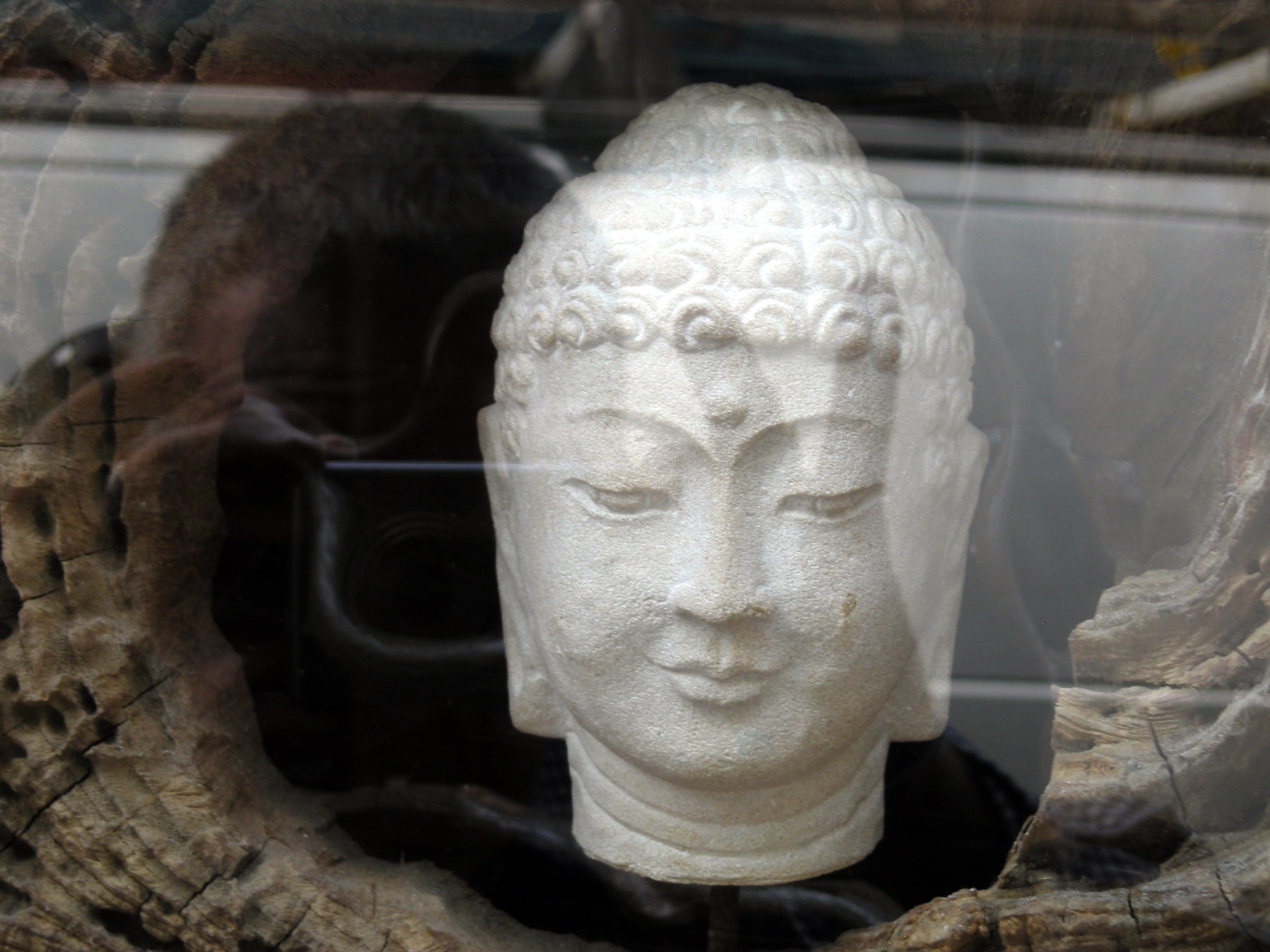
The Three Doors of Liberation

Buddhism by the Numbers

The Three Doors of Liberation:

  1. Emptiness/shunyata
  2. Signlessness/animitta
  3. Aimlessness/apranihita

Emptiness or shunyata:

Emptiness always means empty of something. A cup is empty of water. A bowl is empty of soup. We are empty of a separate, independent self.

Emptiness does not mean nonexistence. It means interdependent co-arising, impermanence, and non-self. Emptiness is the middle way between existence and nonexistence.

Everyone we cherish will someday, get sick and die. If we do not practice the mediation on emptiness, when it happens, we will be overwhelmed.

Signlessness or animitta:

The second door of liberation is signlessness. “Sign” means an appearance or the object of our perception.

Signs are instruments for our use, but they are not absolute truth, and they can mislead us. Wherever there is a sign, there is deception, illusion. Appearances can deceive.

If you see the signlessness of signs, you see the Tathagata. Tathagata means the wonderous nature of reality.

Everything manifests by means of signs.

Life span is the period of time between our birth and our death. We think we are alive for a specific period of time that has a beginning and an end. But when we look deeply, we see that we have never been born and we will never die. And our fear dissolves. With mindfulness, concentration, and the Three Dharma Seals, we can unlock the door of Liberation called signlessness and obtain the greatest relief.

Aimlessness or apranihita:

The Third Door of Liberation is aimlessness. There is nothing to do, nothing to realize. The purpose of a rose is to be a rose. Your purpose is to be yourself.

Be yourself. Life is precious as it is. Just being in the moment in this place is the deepest practice of meditation.

According to the Heart Sutra there is “nothing to attain.”

Aimlessness and Nirvana are one.

Present Moment, Wonderful Moment

              Waking up this morning, I smile

              Twenty-four brand new hours are before me.

              I vow to live freely in each moment

              and to look at all beings with the eyes of love.

              -Thich Nhat Hanh

These twenty-four hours are a precious gift, a gift we can only realize when we have opened the Third Door of Liberation.

The practice of aimlessness, is the practice of freedom.

Based on the teachings of Thich Nhat Hanh

Photo by Benn Bell

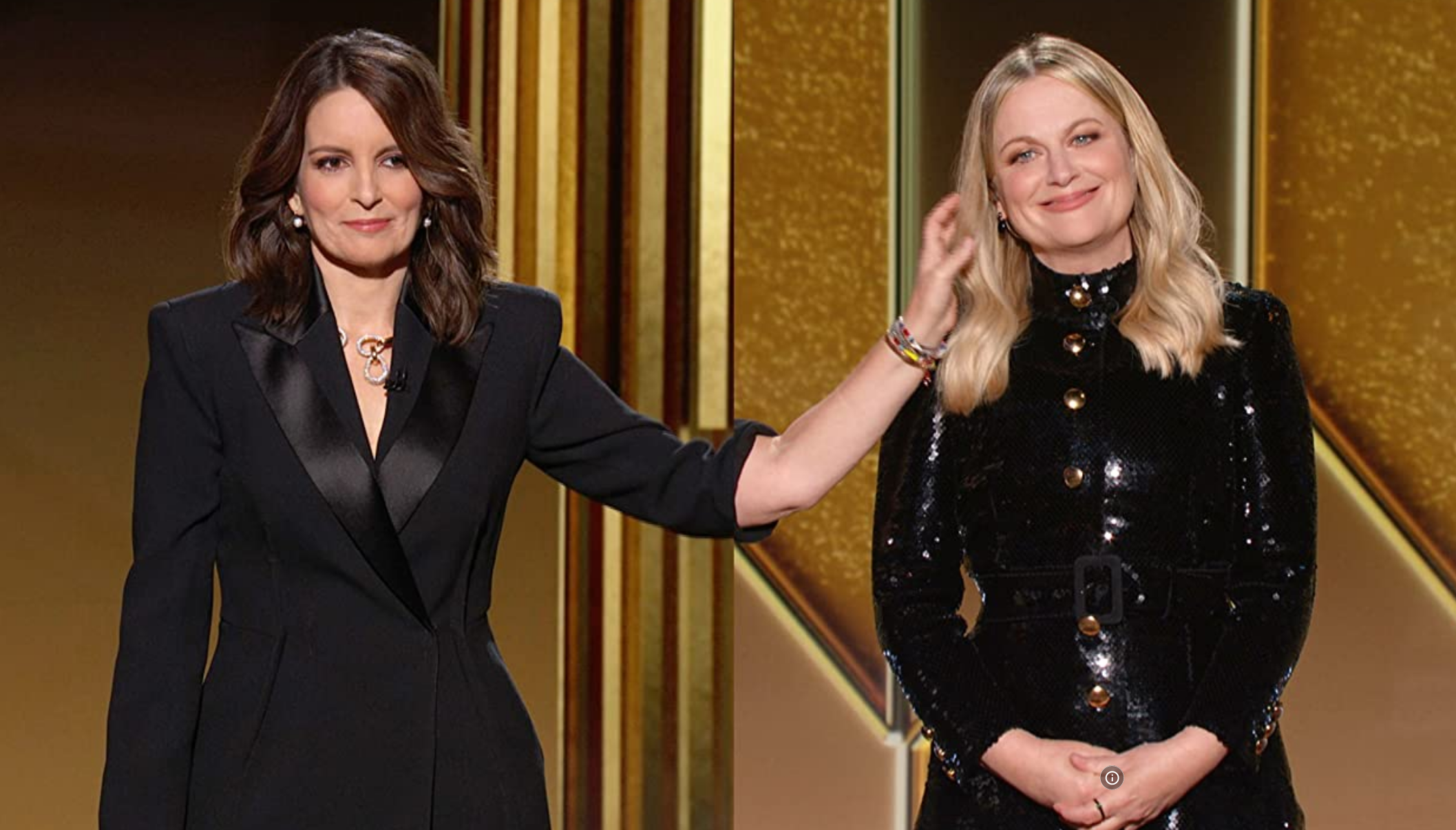
Golden Globes 2021

Tina Fey and Amy Poehler

The Golden Globes show last night was pretty much a disaster. It was technologically challenged, there was no chemistry between the hosts, Tina Fey and Amy Poehler, possibly because they were bi-coastal, not to be confused with bi-polar. The writing was poor and most of the jokes fell flat, marring the event beyond any possible recognition. I did agree with a lot of the picks and enjoyed some of the acceptance speeches. Jane Fonda’s was exceptional. Some of the others were just plain dumb. Speaking of dumb, I stuck for the entire show. Sigh…

Zuckerman Unbound

Book Blurb

Not the best Philip Roth book but pretty good. It always amazes me how Roth can take the ordinary and turn it into literature or a simple idea like what happened to him after he became famous after publishing Portnoy’s Complaint and spin gold out of it. Pure genius! And quite funny too, I might add. I had several laugh out loud moments as I was reading this book. Highly recommend!

Top 10 Books 2020

I read 28 books in 2020. Here are my top 10 favorites:

  1. 2666 – Robert Bolano
  2. The Follies of God – James Grissom
  3. War and Peace – Leo Tolstoy
  4. The Adventures of Auggie March
  5. The Odyssey – Homer
  6. All Quiet in the Western Front – Erich Maria Remarque
  7. Notes from the Underground – Fyodor Dostoevsky
  8. The Weight of Ink – Rachel Kadish
  9. Tropic of Cancer – Henry Miller
  10.  The Last Carousel – Nelson Algren

Rainstorm

There is something to be learned from a rainstorm. When meeting with a sudden shower, you try not to get wet and run quickly along the road. But doing such things as passing under the eaves of houses, you still get wet. When you are resolved from the beginning, you will not be perplexed, though you will still get the same soaking. This understanding extends to everything.”
― Tsunetomo Yamamoto, The Hagakure: A code to the way of samurai

Photo: Benn Bell

Nomadland (2020)

Movie Review

Nomadland (2020)

Directed by Chloe Zhao, starring Frances McDormand, David Strahairn, Linda May

This is a movie about America. There are two Americas. The haves and the have nots. This about the have nots who choose a life on the open road and freedom. It is not a life I would choose but it is a fascinating portrait of those who do. They are called American Nomads.

Frances McDormand turns in another brilliant but understated performance as Fern, the strong and determined woman, who takes to the open road after she loses her job at US Gypsum, a plant where she and her husband, who has recently died, had worked for years. The plant closing in Empire, a small town in Nevada, causes the economic collapse of the town. This is the sad reality of so many small towns in America.  

Fern sells her stuff and buys a van and takes to the road searching for work. She outfits the van to live in. She first takes a seasonal job at an Amazon fulfillment center through the winter. Whenever I buy anything at from Amazon, I cringe a little bit thinking of the workers at the fulfilment center, although Fern seems to thrive in this environment. A co-worker invites Fern to visit a desert winter gathering in Arizona organized by Bob Wells, which provides a support system and community for fellow nomads. At the gathering, Fern meets fellow nomads and learns basic survival and self-sufficiency skills for the road.

Fern later takes other jobs down the road: an RV camp host, a worker in a beet harvest, and a worker in a fast-food restaurant. It is a tough life living at the margins. She continues to run across some of the other nomads she has met along the way as she continues her travels and they become her friends and kind of a family or tribe. She does have a chance to settle down a couple of times along the way but continues to choose a life on the road to be free and independent if, lonely.

There is not much of a dramatic story here, more of a character study and a documentary on the nomadic existence in America. Even if we can’t identify with her way of life we can empathize with her very human feelings of loneliness and her desire to be free. As Bob Wells so aptly put it, “I’ll see you down the road.”

The Ballad of Ted Cruz

Ted Cruz is a particularly odious politician

Who left the country in a lurch

While his people froze in their homes

In Texas

He was on a plane to sunny Cancun

To say anyone in Texas would do the same

Misses the point by a mile

To say all politicians are the same

Also makes me smile

Ted Cruz takes the cake

Now he can eat it too.

Judas and the Black Messiah (2021)

Movie Review

LaKieth Stanfield in Judas and the Black Messiah

Directed by Shaka King, starring: Daniel Kaluuya, LaKief Stanfield, Jessie Plemons.

Judas and the Black Messiah (2021) is an important movie about a chapter of the Black Panthers in Chicago and the charismatic leader who led it, Fred Hampton. Part documentary and part bio-pic it delivers a history lesson on that volatile period in America when race relations were at an ebb. It is an interesting juxtaposition of events to the events happening today when once again the tension between the races is at a snapping point. The organization Black Lives Matter draws eerie parallels to The Black Panther Party.

The Messiah in this case is Fred Hampton, played by Daniel Kaluuya in a resplendent performance. Two other black messiahs who came before him were scarified on the altar of white supremacy, Martin Luther King and Malcom X. His betrayer, or the Judas of the title, is FBI informant William O’Neal (LaKieth Stanfield) who infiltrated the Black Panthers and gained the trust of Hampton. It was O’Neal who provided the layout of the apartment to the FBI which was crucial information that led to his assassination by the FBI and the Chicago police.

When law enforcement entered the apartment on Monroe Street where Fred was sleeping guns blazing, I was put in mind of the Breonna Taylor case where Louisville police officers entered her apartment while she was asleep on a “no knock” warrant and assassinated her. Police brutality and extra-judiciary killing continue to be a problem for the black community to this day.

Fred Hampton’s rhetoric was indeed inflammatory but he never actually declared war on the United States. He merely threatened the status quo. FBI director J. Edgar Hoover wanted get rid of Hampton because  he thought the rise of another black messiah would unify and electrify the militant nationalist movement. Fred Hampton was an upstart crow, but he didn’t deserve to die. The FBI now has other fish to fry with the rise of white nationalism, which poses an even graver threat to American security.

LaKieth Stanfield was excellent as the informant William O’Neal delivering a nuanced performance of an underwritten part. Dominique Fishback as Deborah Johnson, Hampton’s coworker and eventual lover I thought was particularly good and Jesse Plemons as the baby-faced FBI agent who compromised O’Neal into betraying Hampton, played his part with equal parts menace and moral queasiness.

Excellent movie. Highly recommend!

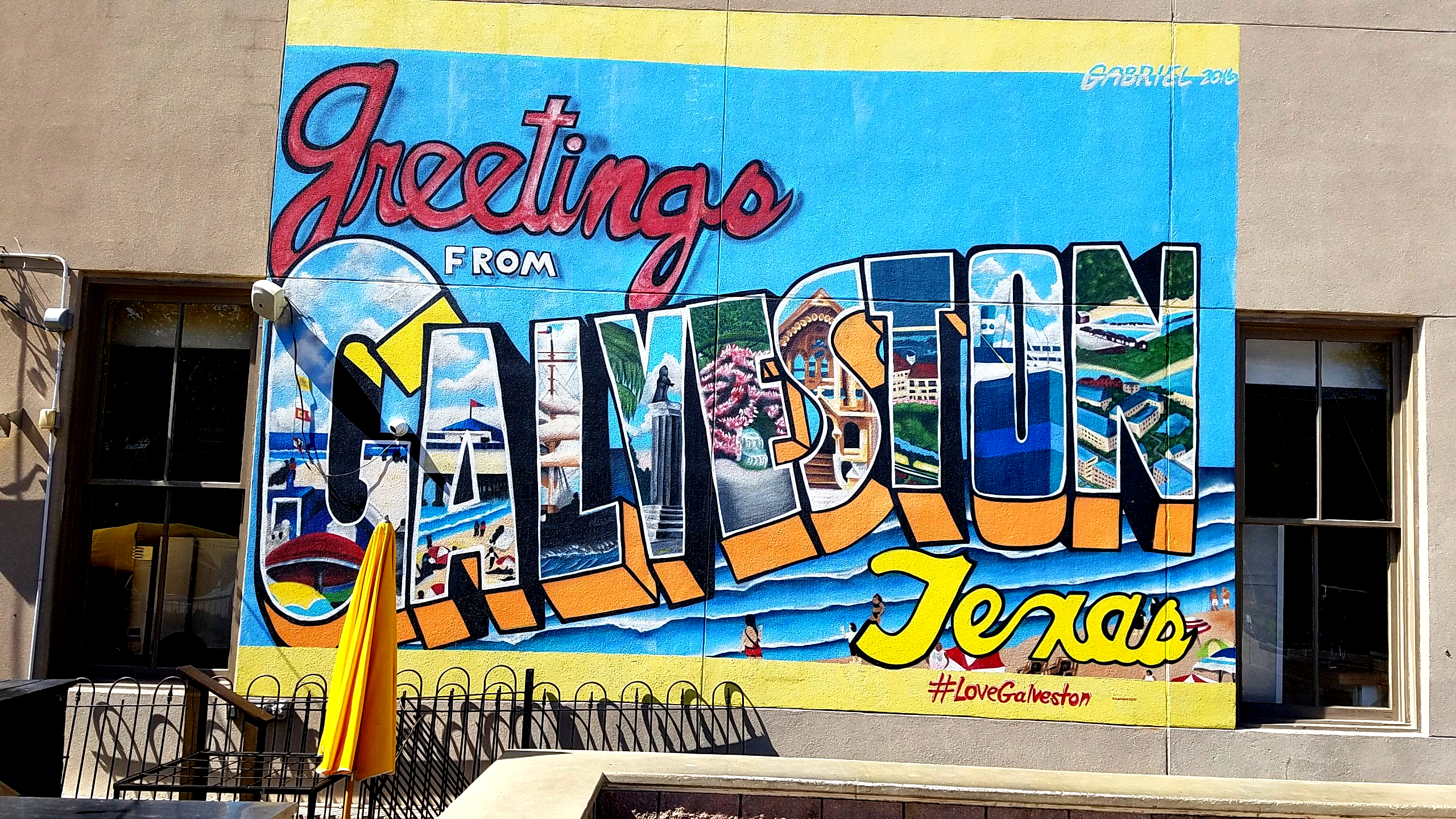
Galveston, Day 5

The continuing saga…

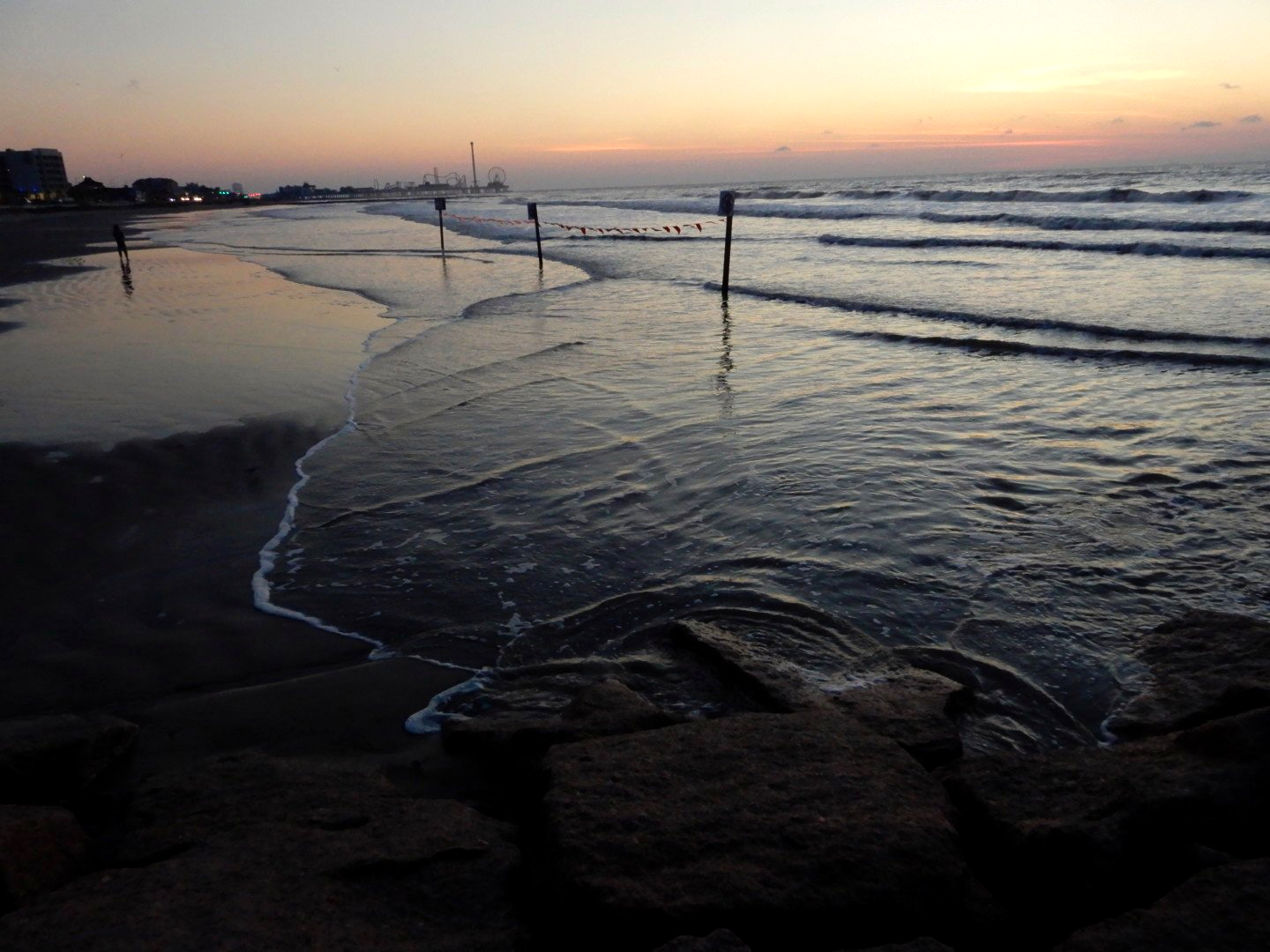
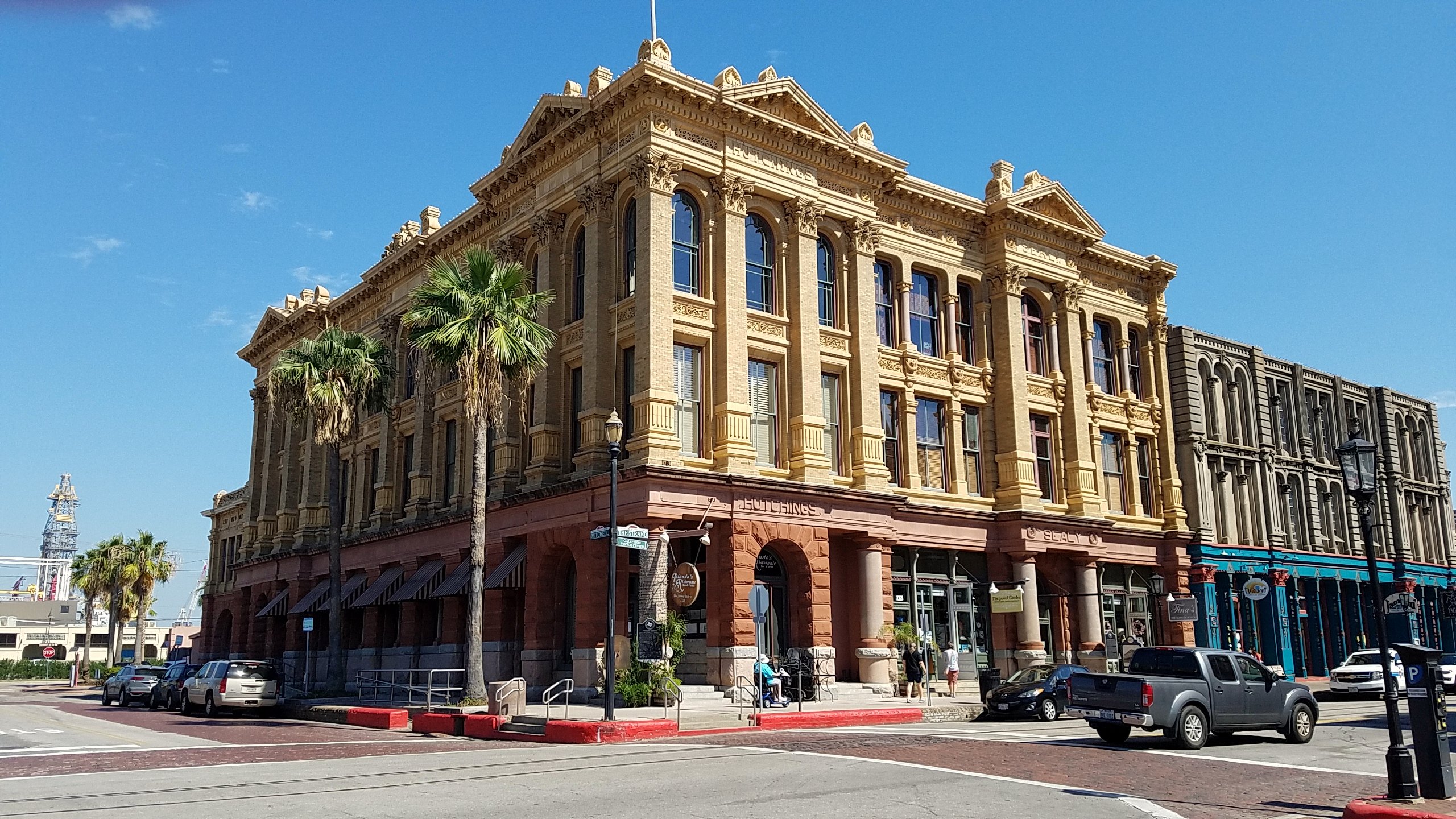
Ghost Dog and Buddha went on a road trip to Galveston, Texas from October 1, 2020 – October 8, 2020. This is their story.

Early morning run
On the Rocks
A Fisherman of men
The Old man and the Sea
The Sand Piper
The Rising Sun
Gazing at the Gulf
On the Ferry to Bolivar Peninsula
Meanwhile back at the pool for drinks
Bishop’s Palace
Sealy Mansion

Sacred Heart

Rumor has it that this statue point the way to the best gay bar in Galveston

The 1940 Sears Building

Thanks for watching! Meanwhile, stay tuned for further adventures of Ghost Dog and the Buddha.