
The Real Lives Behind the Lens and the Pen
In the quiet corners of everyday life, ordinary people often find themselves immortalized in ways they never imagined—through the viewfinder of a photographer or the ink of a writer’s pen. Whether captured candidly in a photograph or reimagined as a character in a story, these individuals unknowingly lend their lives to art. They become more than just passersby or background figures; they transform into muses, metaphors, and living echoes of human experience.
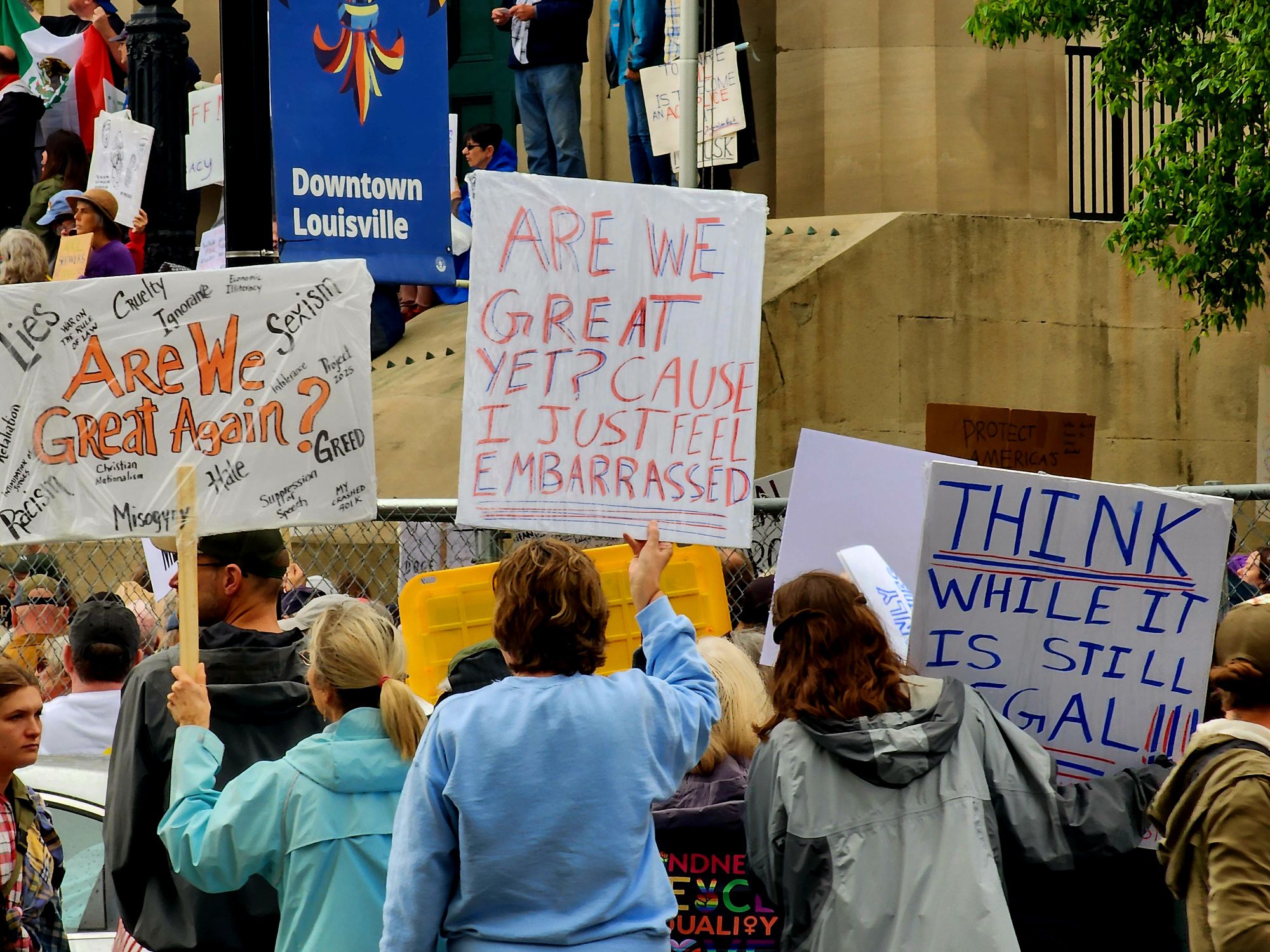
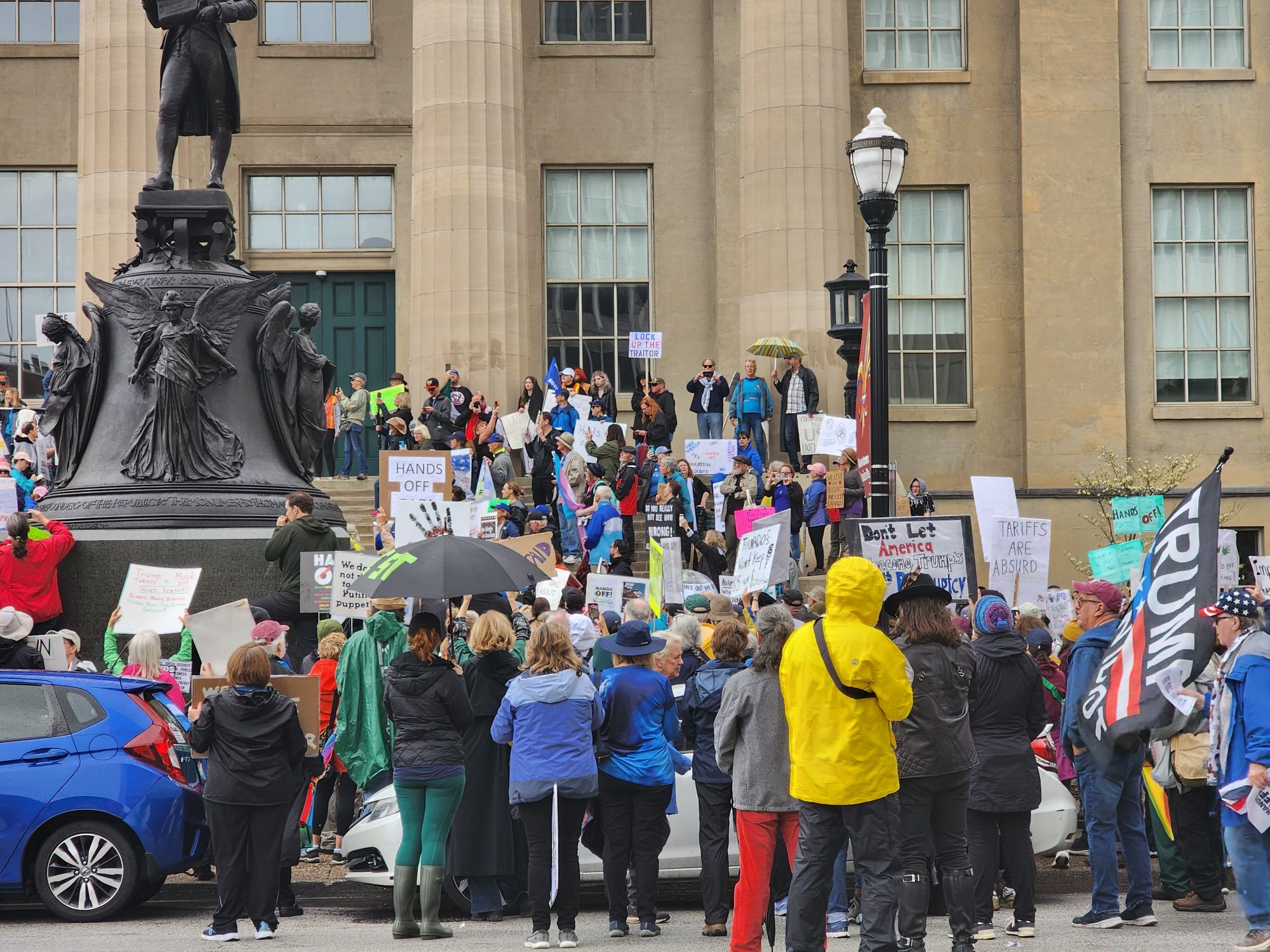
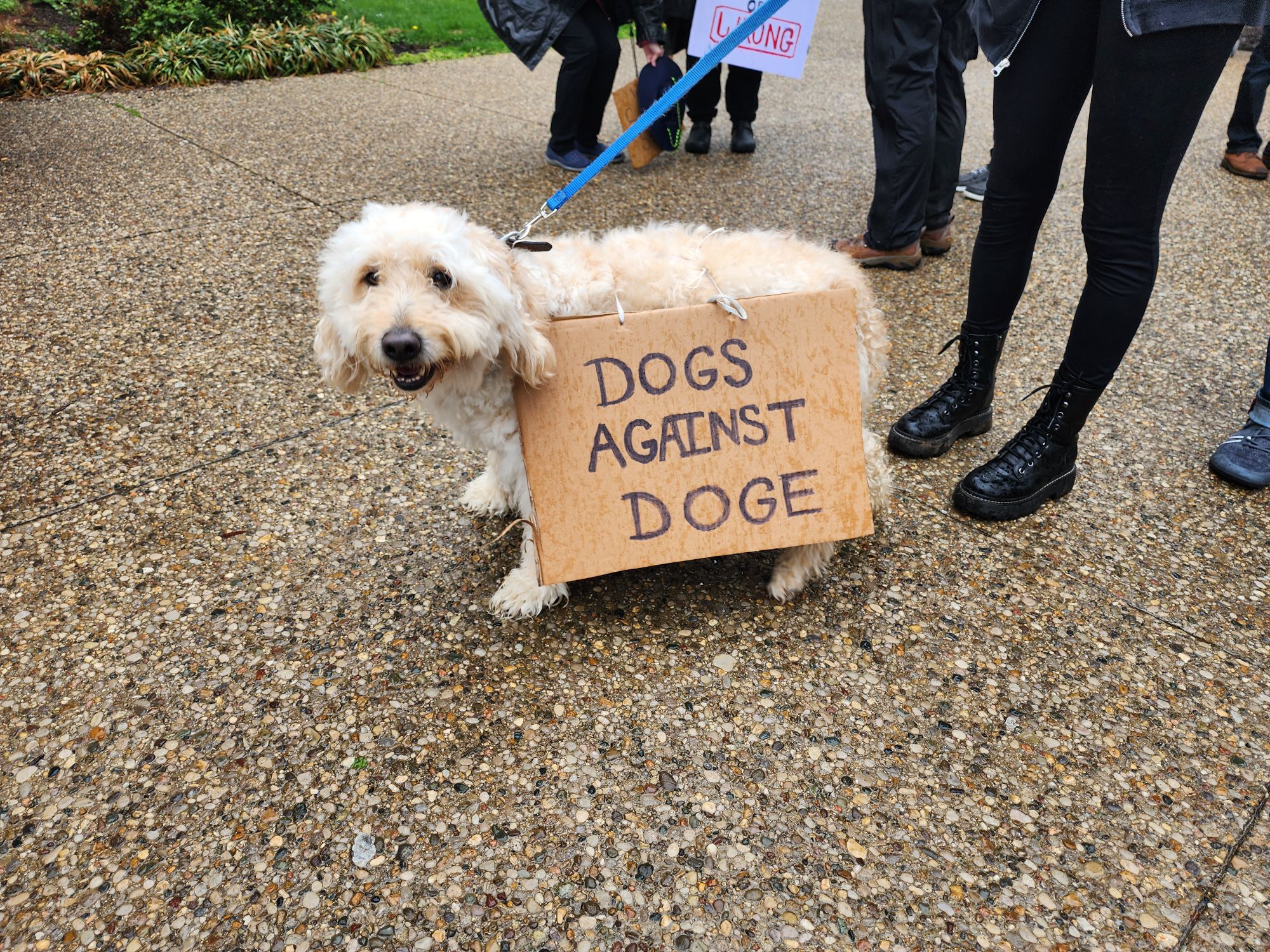
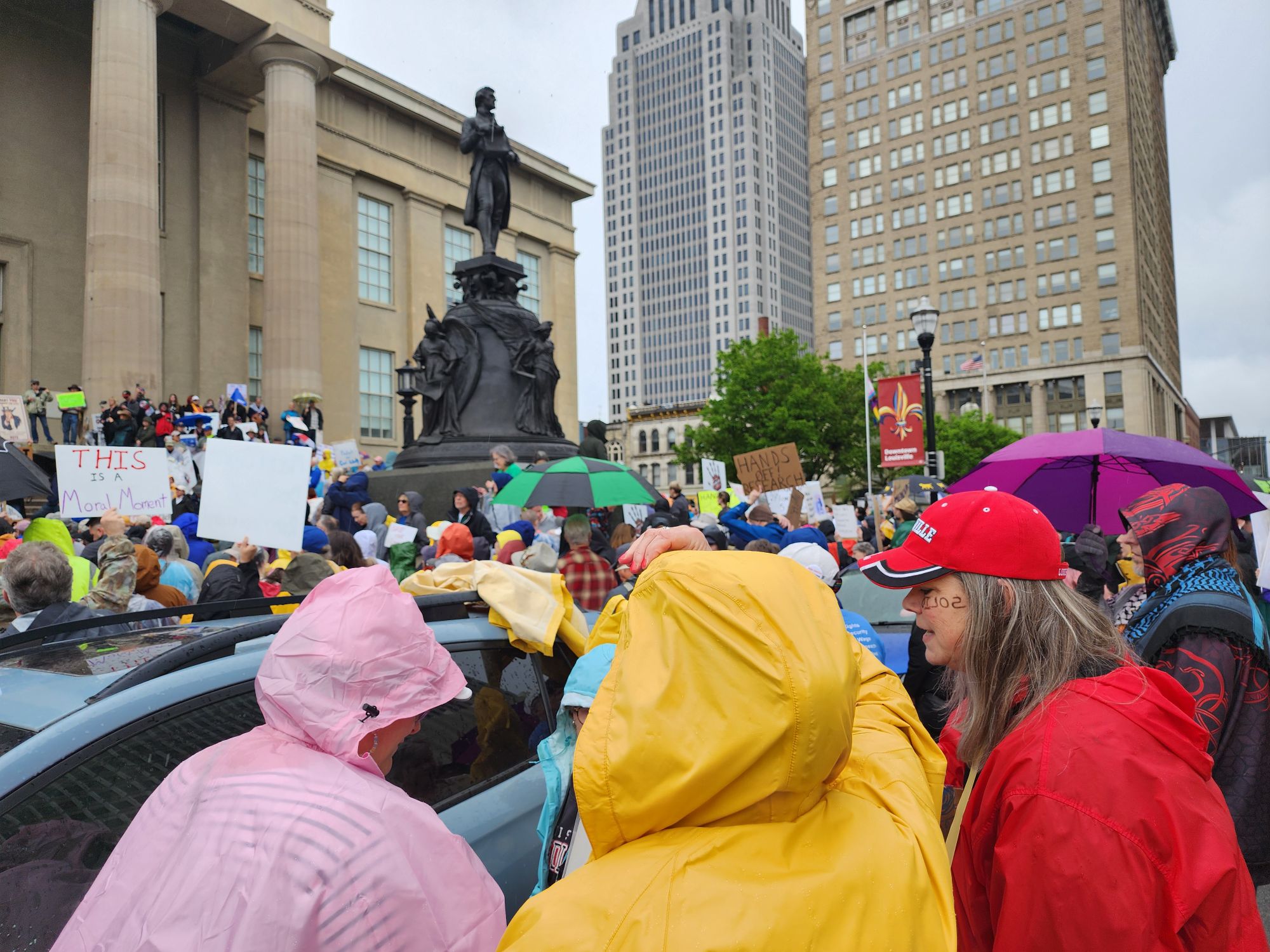
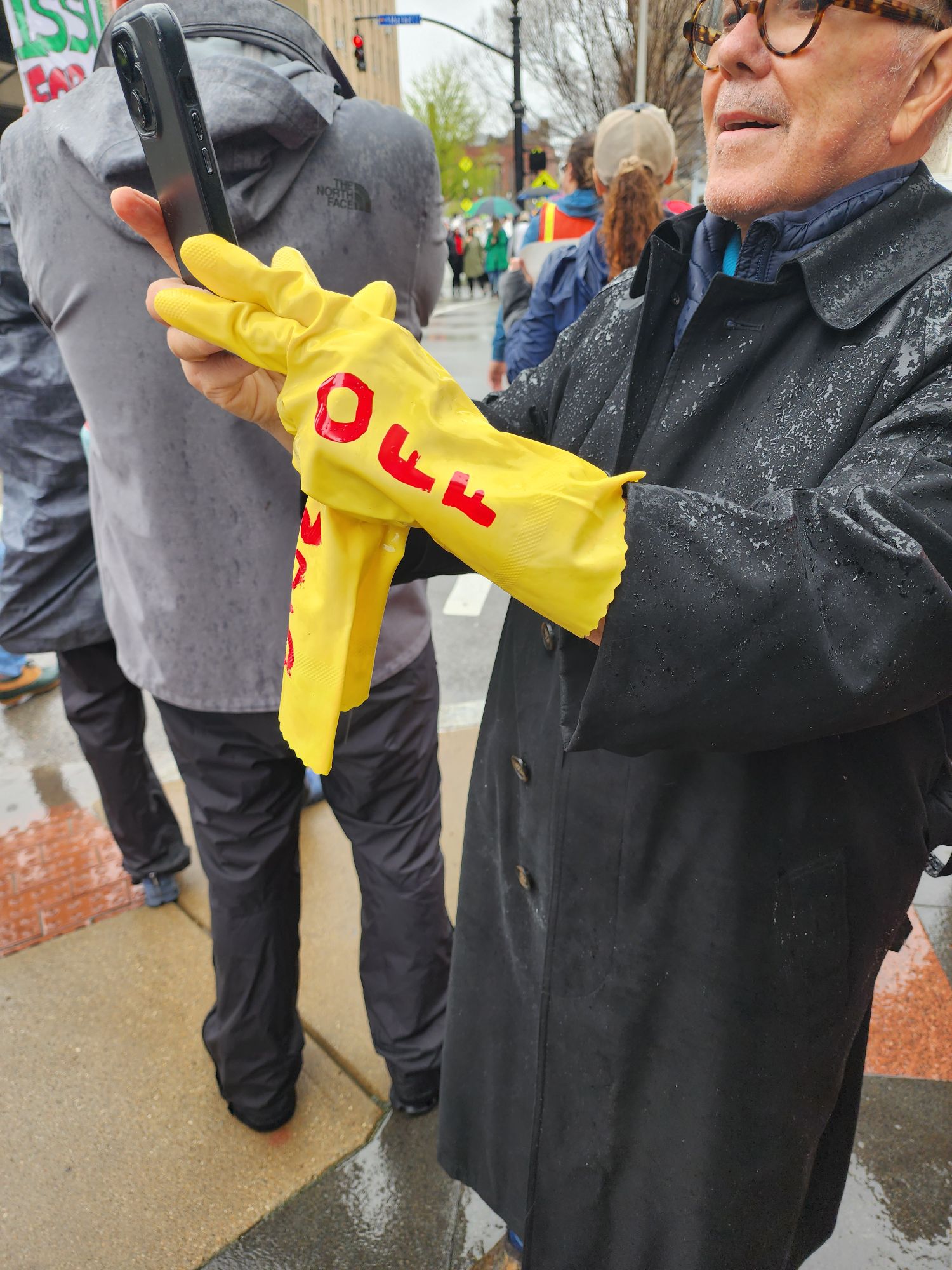
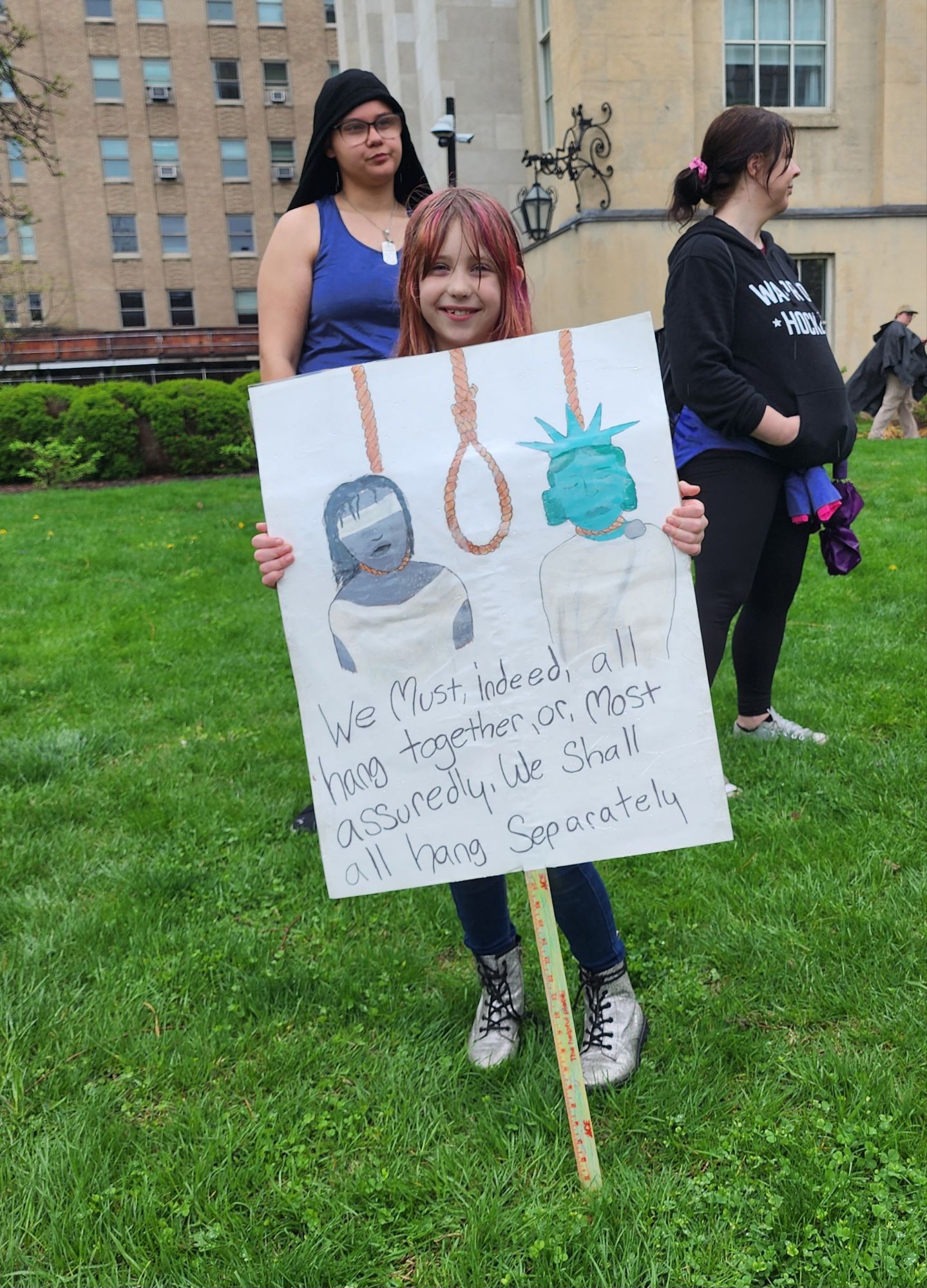
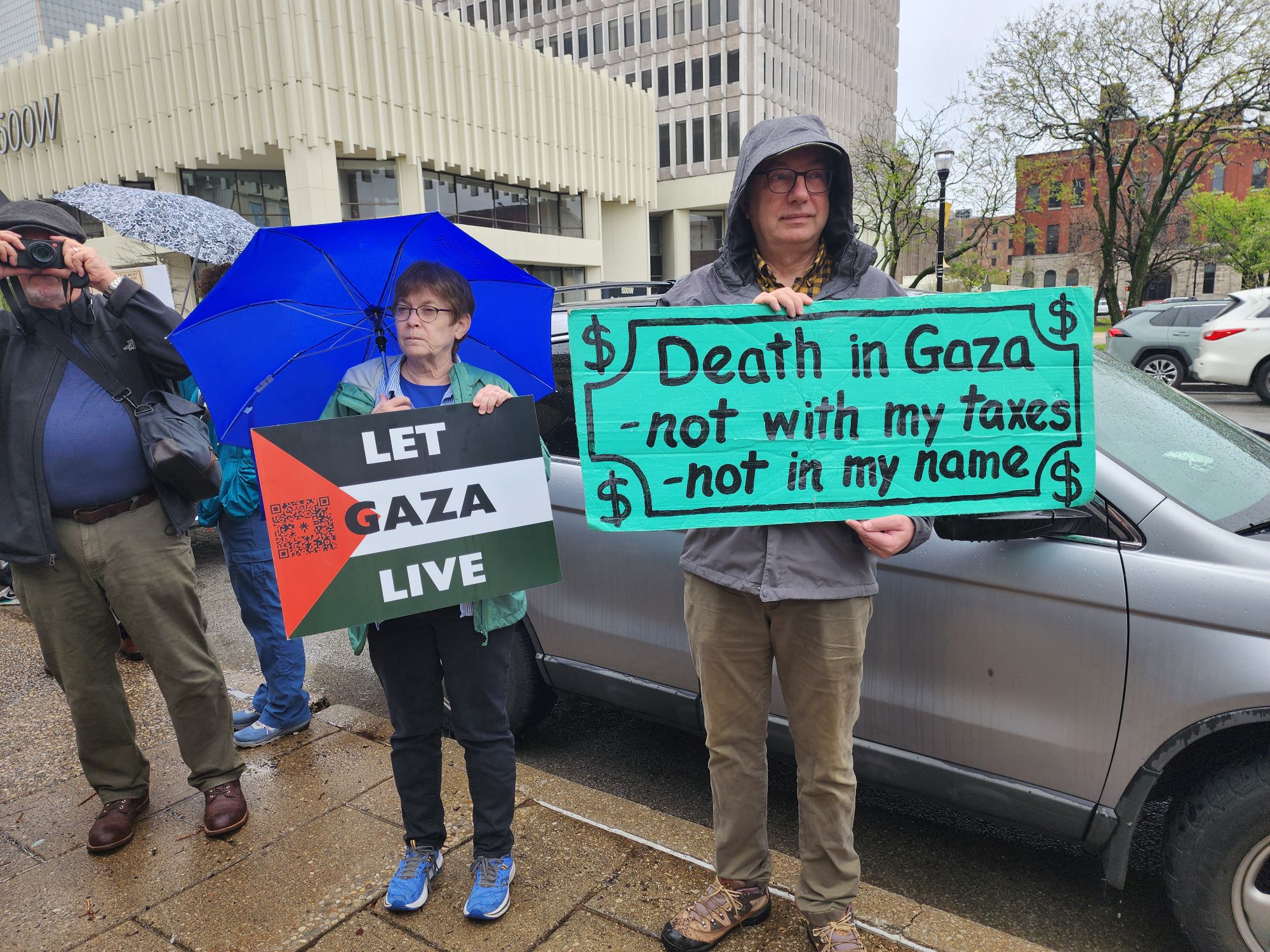
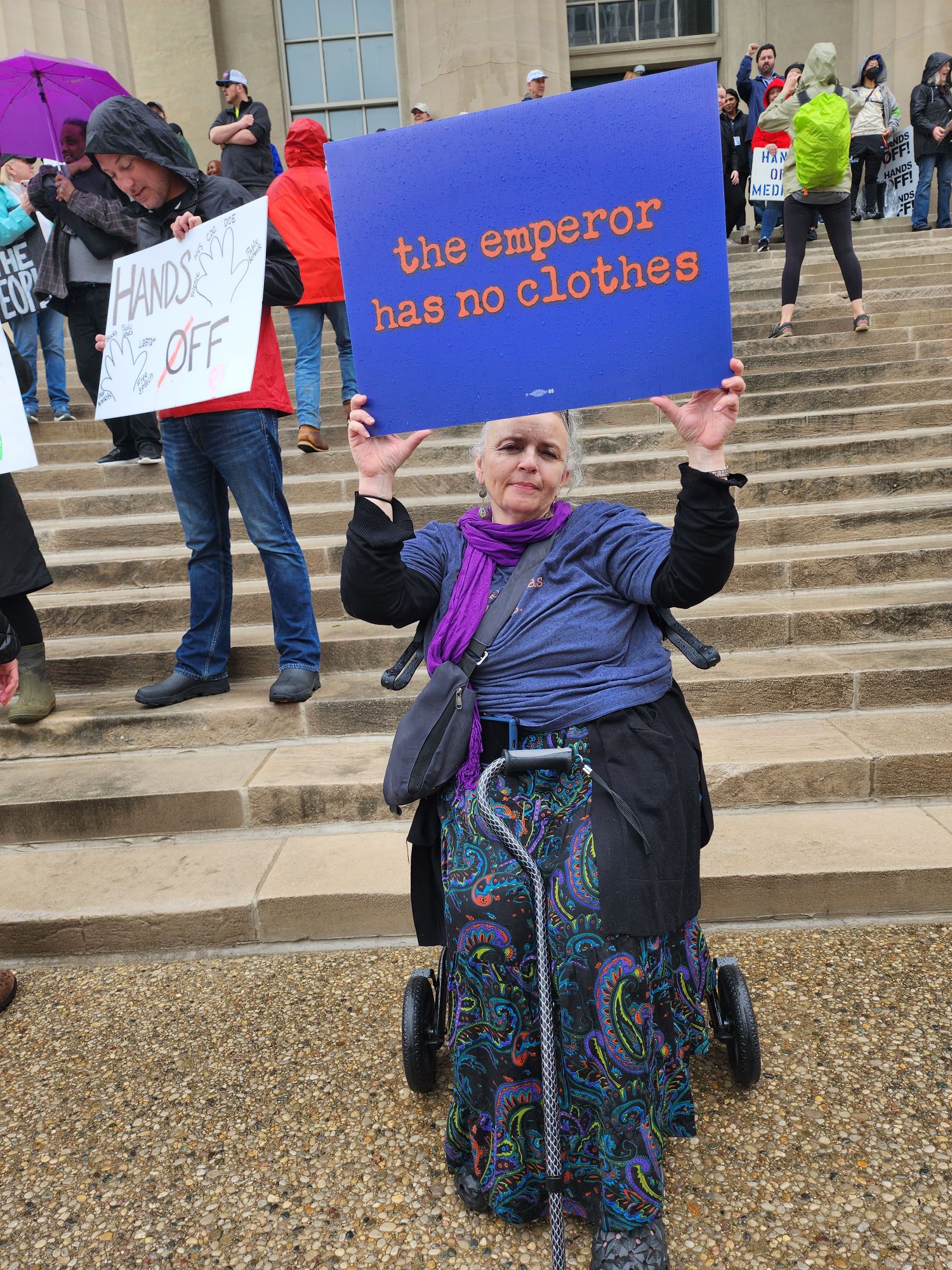
For photographers, the world is a living gallery of moments waiting to be captured. A weathered man sitting on a park bench, the way light dances across a child’s laughing face, or the tension etched into the shoulders of a woman walking alone—each scene is a potential story. Often, the subject has no idea that they have just stepped into the pages of a visual playbook. Their gestures, expressions, and the energy they radiate become a part of something greater—a reflection of mood, culture, or emotion. The photograph freezes their reality and elevates it into art.
Writers, on the other hand, weave people into narrative form. A conversation overheard on a train, a barista’s nervous smile, or an old friend’s resilience in grief—these fragments of life often become seeds of inspiration. The people we meet or merely observe become the blueprints for characters, sometimes in exact likeness, sometimes stitched together from multiple souls. Writers borrow bits of reality to create fiction that feels true. In doing so, they honor the people who left a mark, however briefly.
But this transformation from real life into art raises questions of representation and authenticity. Do we owe something to the people who unknowingly inspire us? Can we ever truly separate observation from invention? Photographers and writers alike walk this fine line, striving to capture truth while also interpreting it through their own lens of feeling and intent.
There is something sacred in this quiet transaction between life and art. Most people will never know they’ve been captured in a fleeting frame or mirrored in a fictional life. But perhaps that is part of the beauty. Their existence, however small in the context of a wider story, becomes part of a legacy—proof that the ordinary is worth remembering. They live on not as anonymous figures, but as meaningful presences in someone else’s vision.
Ultimately, art imitates life not just in grand gestures, but in the subtle details of everyday existence. The people we pass on sidewalks, sit beside in waiting rooms, or share a moment of silence with in elevators—these are the characters of our collective narrative. Photographers and writers are merely the witnesses, the translators. And through their work, these real lives continue to speak.






 Ghost Dog