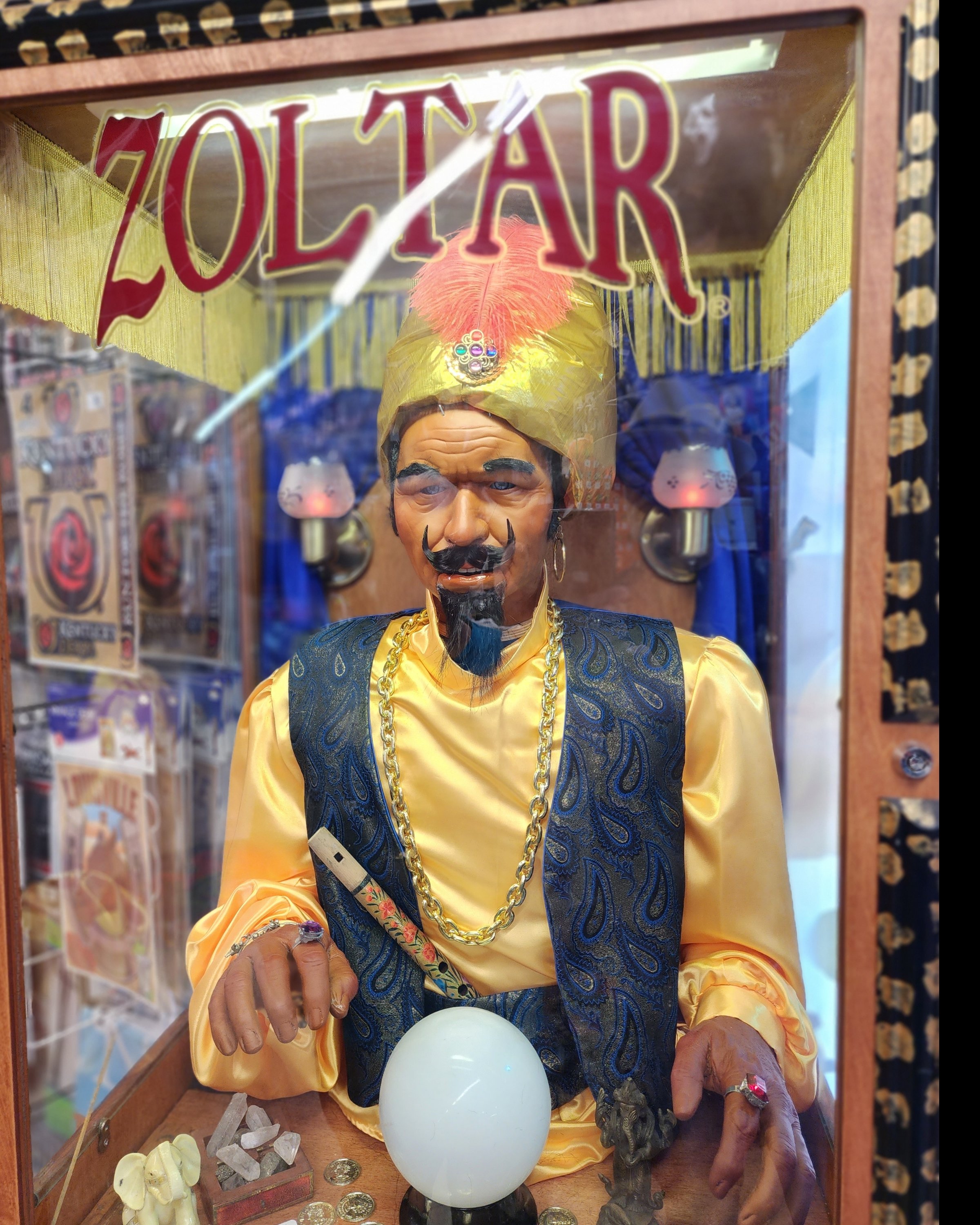

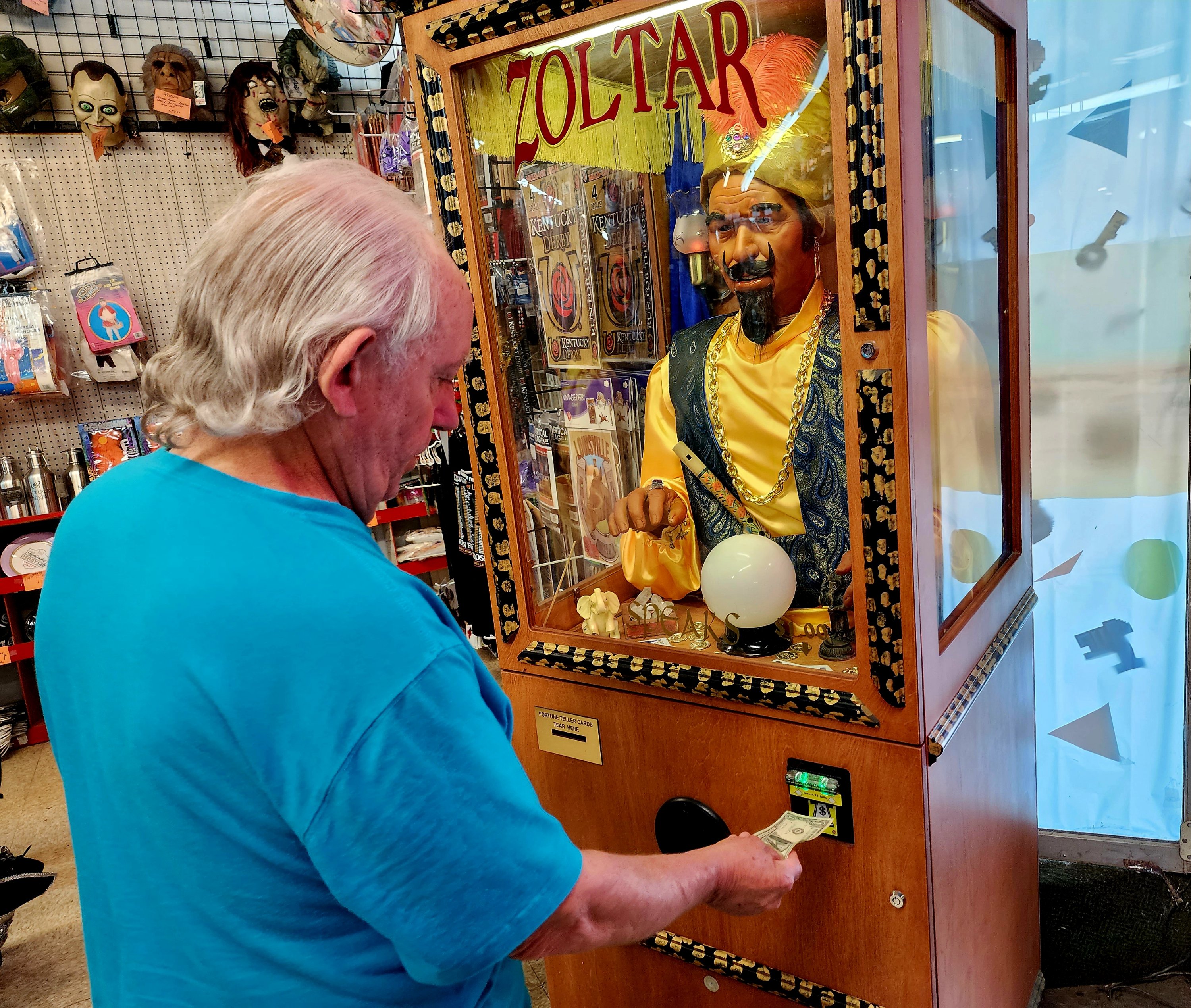

Photo Credit: Benn Bell
Photo Credit: Benn Bell

Taiwan was Japan’s first colony. It occupied Taiwan for 50 years until it had to hand it back to China after WWII. Then it broke away from China in 1949 and declared itself an independent republic. China has never recognized its independence and still considers Taiwan to be part of China today. The US has a special relationship with Taiwan. From 1954 to 1979, the United States was a partner with Taiwan in a mutual defense treaty. The United States remains one of the main supporters of Taiwan and, has continued selling arms and providing military training to the Armed Forces. This situation continues to be an issue for the People’s Republic of China, which considers US involvement disruptive to the stability of the region.

Who packed your bag?
I packed my bag
Where was your uncle’s sister born?
Have you ever met an Arab?
-James Fenton
Any electronics in your bag?
Yes.
Take it out.
Take that phone holder off.
Take your shoes off.
I don’t have to take my shoes off.
Why?
I’m 75.
You’re 75?
Yes.
Ok. Step aside through here.
Any metal on you sir?
Yes, on my hat.
Step through the scanner.
Ding ding ding…
Rescan him.
Why do you have to rescan me?
Rescan him.
Any soreness here?
No.
OK. I’m going to pat you down.
Pat pat patty pat.
Thank you.
Enjoy the rest of your day.
-Ghost Dog
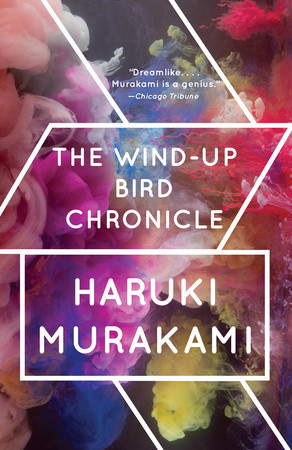
The Wind-Up Bird Chronicle is the fourth Murakami novel that I have read. The others are Kafka on the Shore, Norwegian Wood, and Hardboiled-Wonderland and the End of the World. I would be loath to say which one I liked the best. Probably Norwegian Wood is the greatest departure from the other three, but they all stand on their own and are all equally excellent in my view.
I love the way Murakami blends magical realism and naturalism into his novels and the way he sprinkles his writing with cultural references (mostly Western).
Wind-Up Bird is the chronicle of a man who first loses his cat and then loses his wife. It is partly a detective story as the main character searches for his cat and his missing wife. Along the way, we meet some fascinating characters and find ourselves at the bottom of a deep dark well contemplating the mysteries of the universe.
Some of the themes Murakami explores are Identity and journey to the self, polar opposites, the forgotten war, parallel universes, past and present; marriage and love, alienation, aloneness, and isolation; loyalty and trust, subconscious, and reality, and finally the power of fate.
This is a big long book and perhaps a little rambling, and at times incoherent, but it is pure Murakami and if you have a taste for his writing it is a joy to read.
The oak leaves lit by
the Strawberry moon are like a
flight of bats on the wing.
 Ghost Dog